All Worksheets
230 free printable worksheets for preschool through elementary school, organized by subject. Each subject page explains what children practice at each age and gives tips for using the worksheets at home or in class.
Alphabet Worksheets
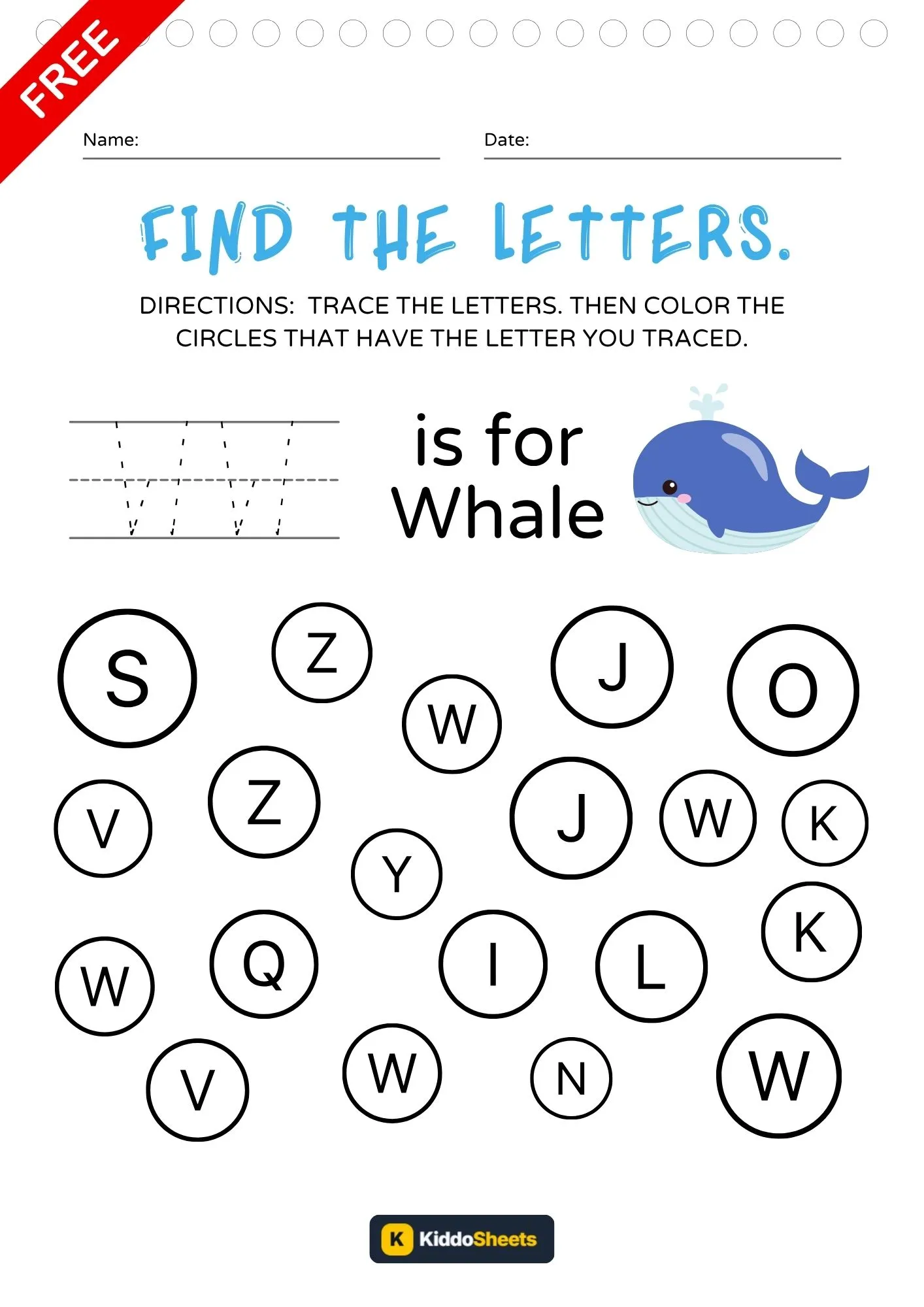
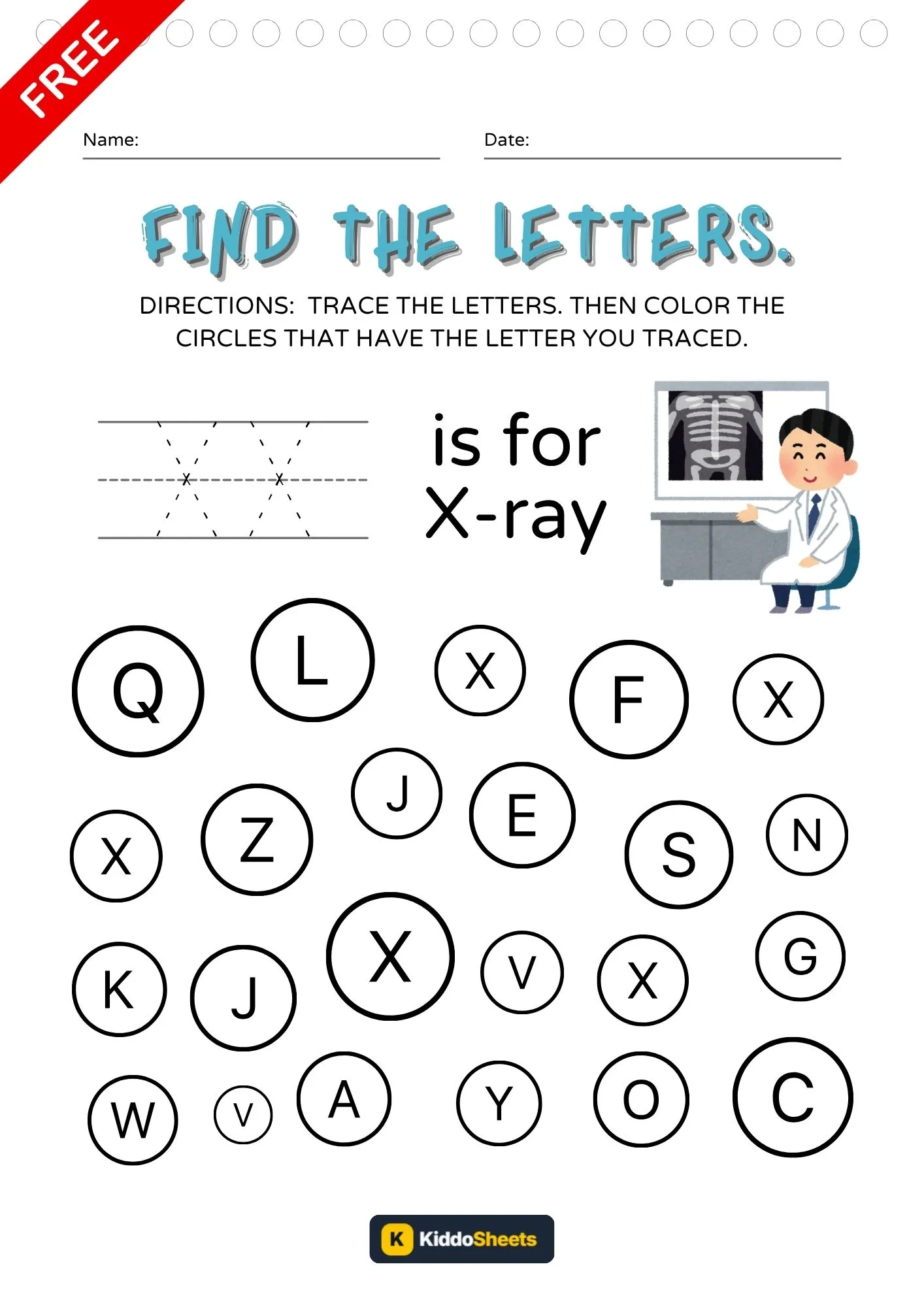
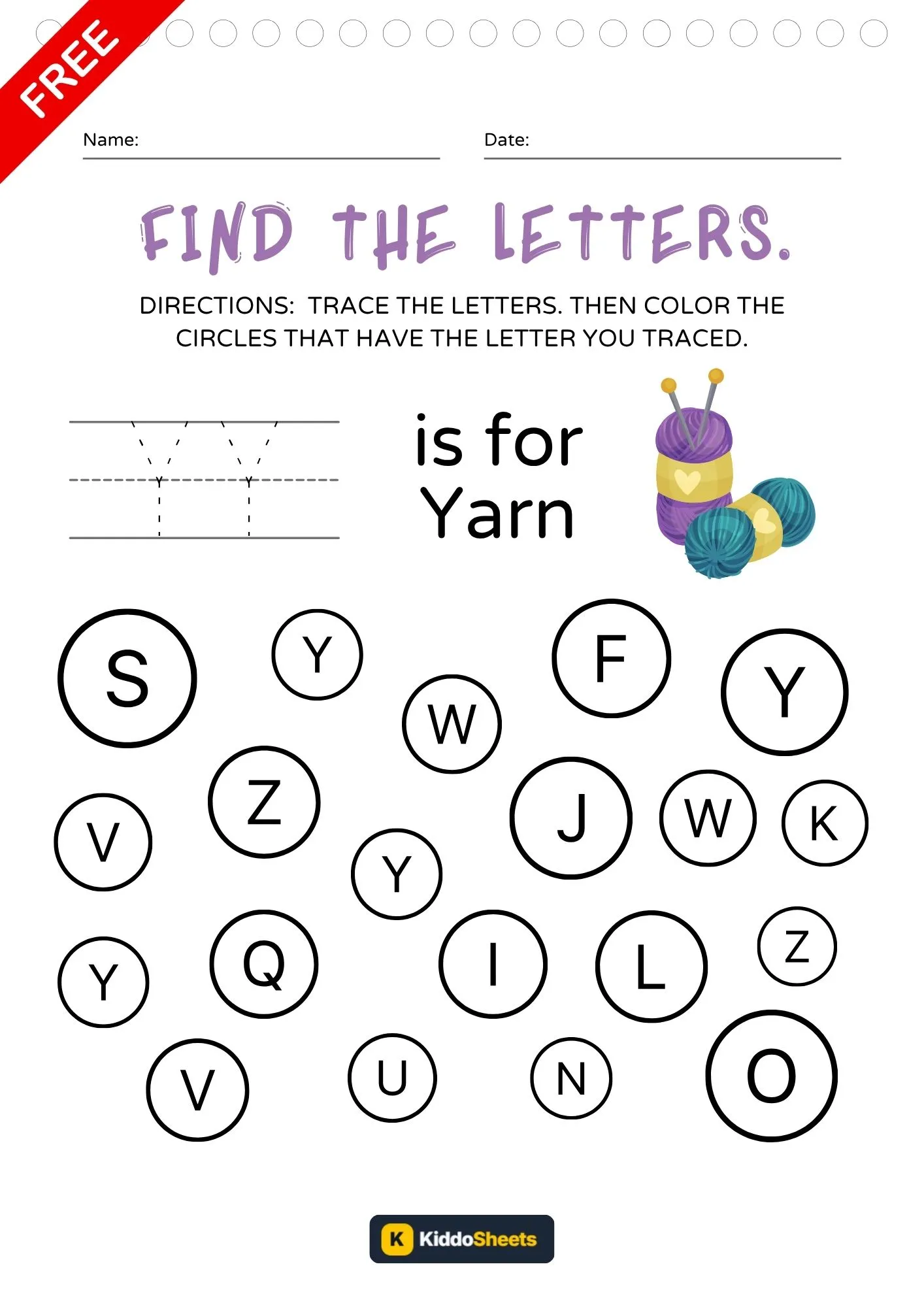
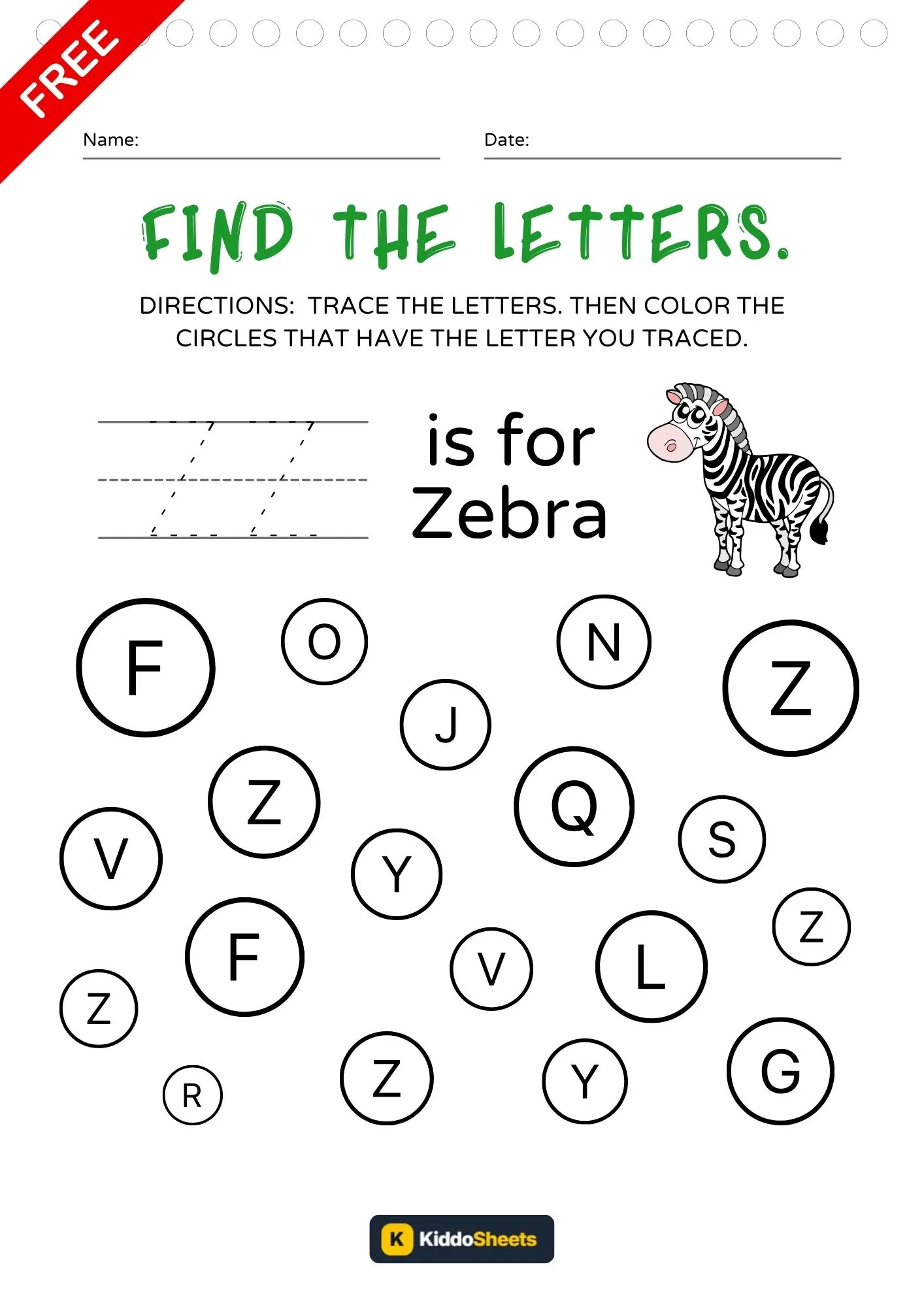
Learning the alphabet is really three skills at once: recognizing each letter's shape, knowing its name and sound, and being able to form it with a pencil. Children rarely master all three at the same time, which is why a mix of activities works better than copying rows of letters.
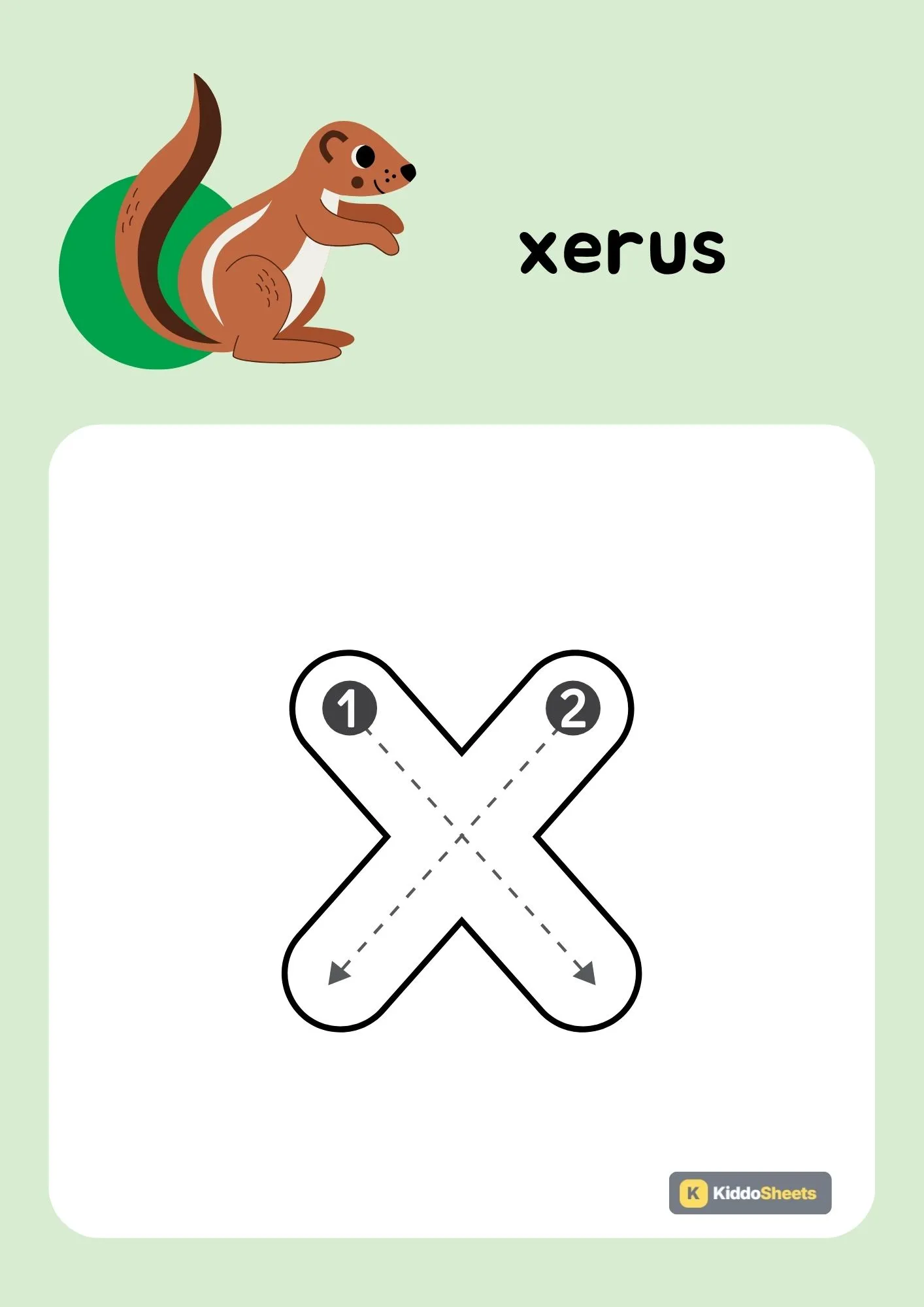
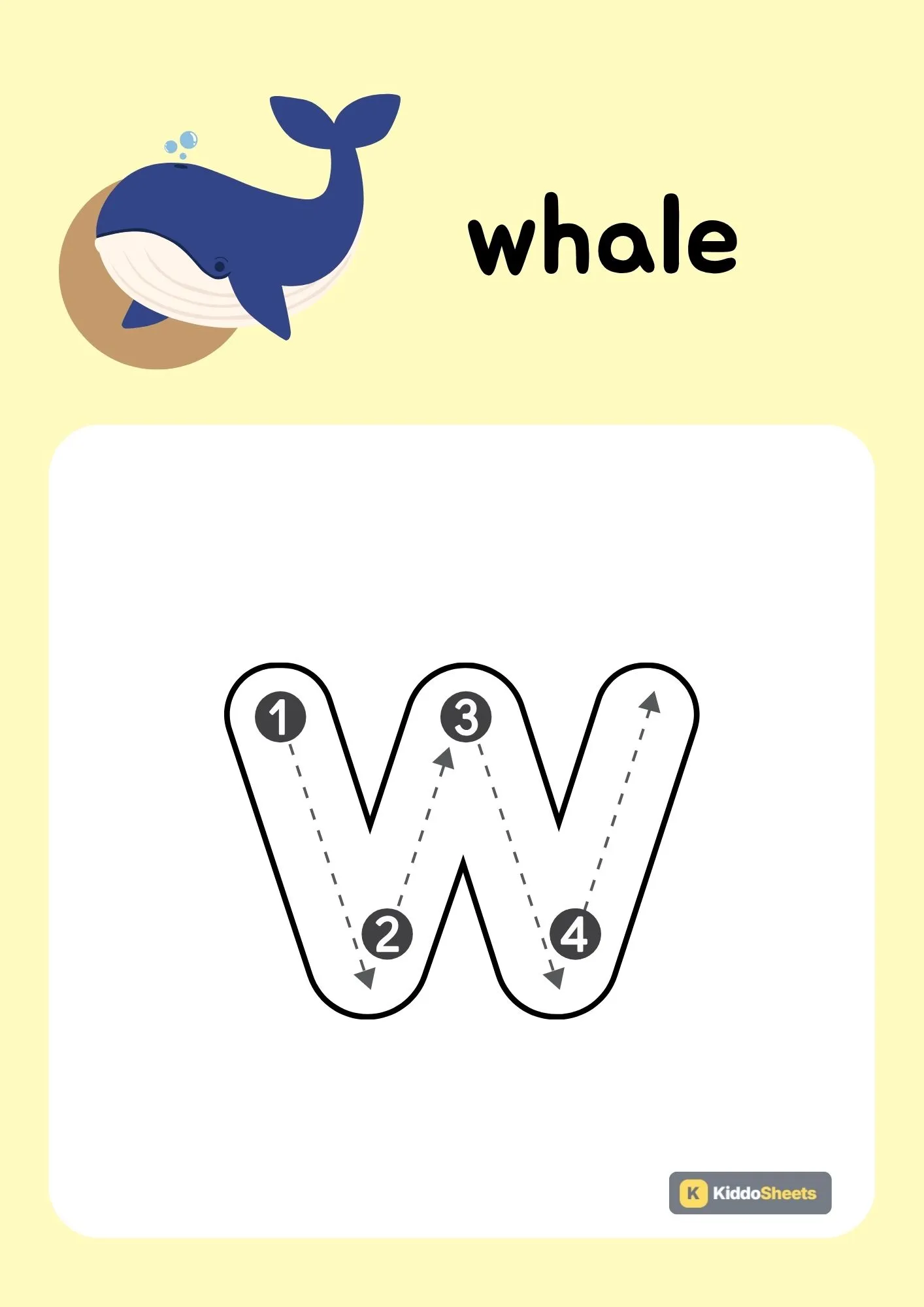
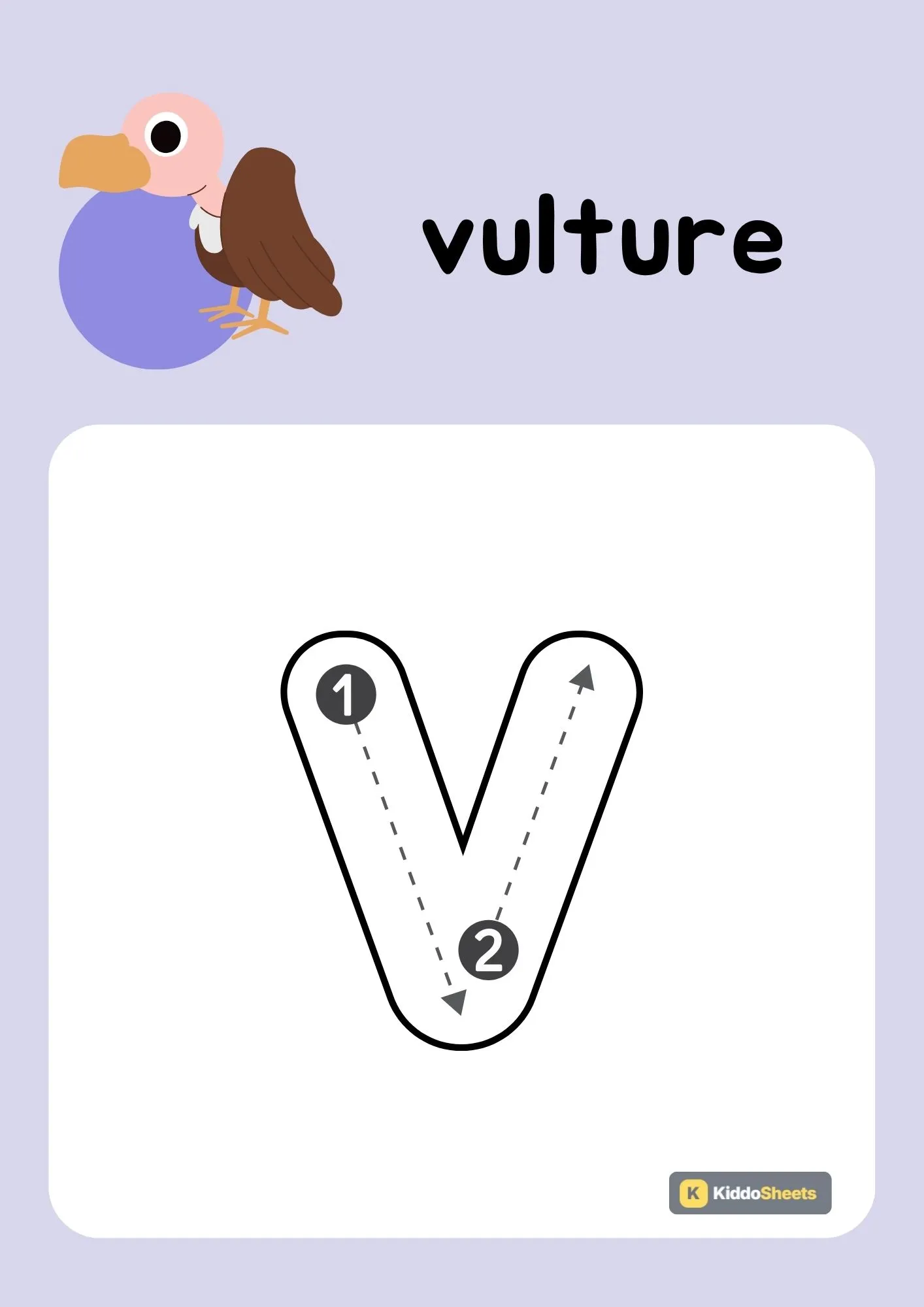
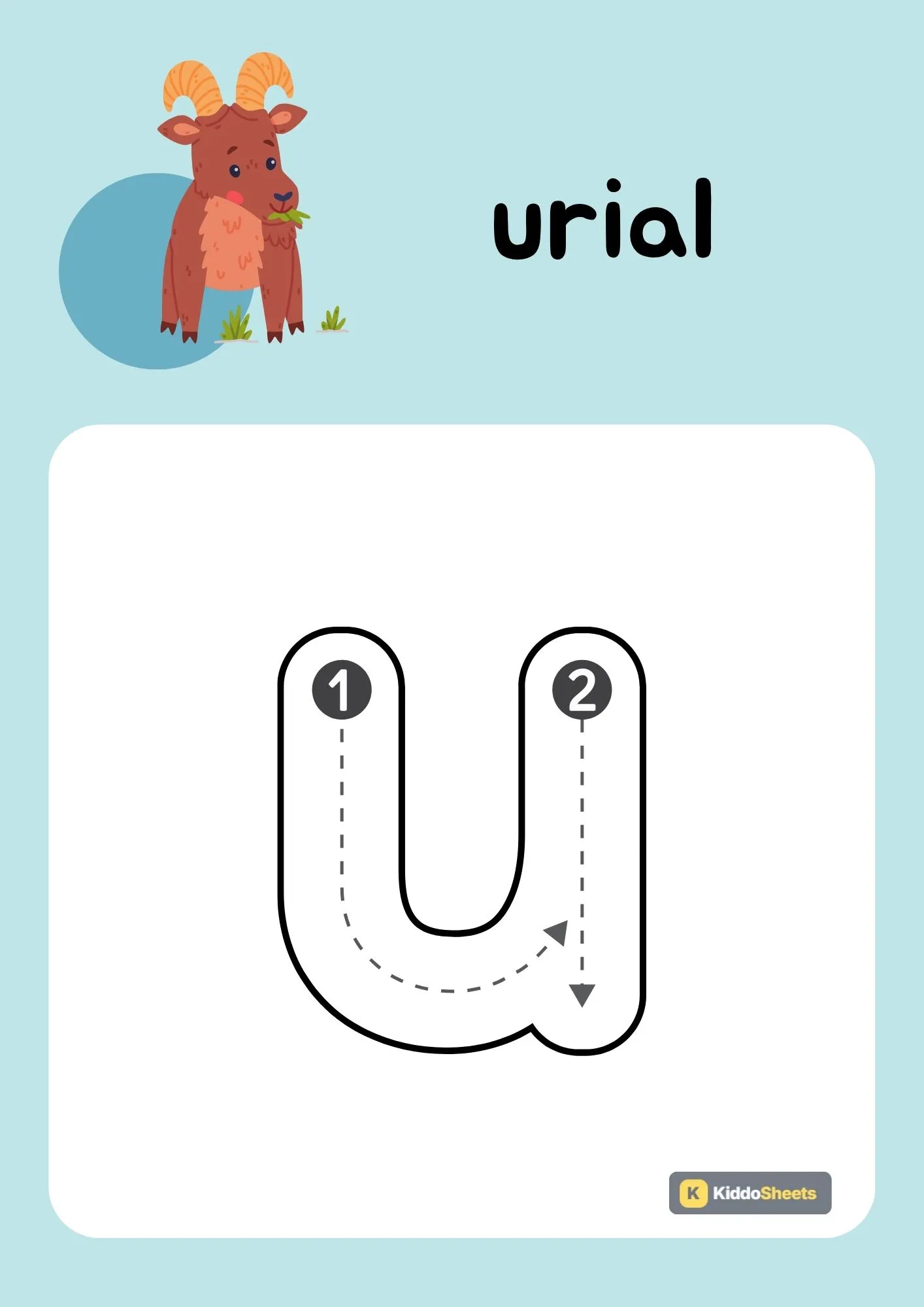
Tracing Worksheets
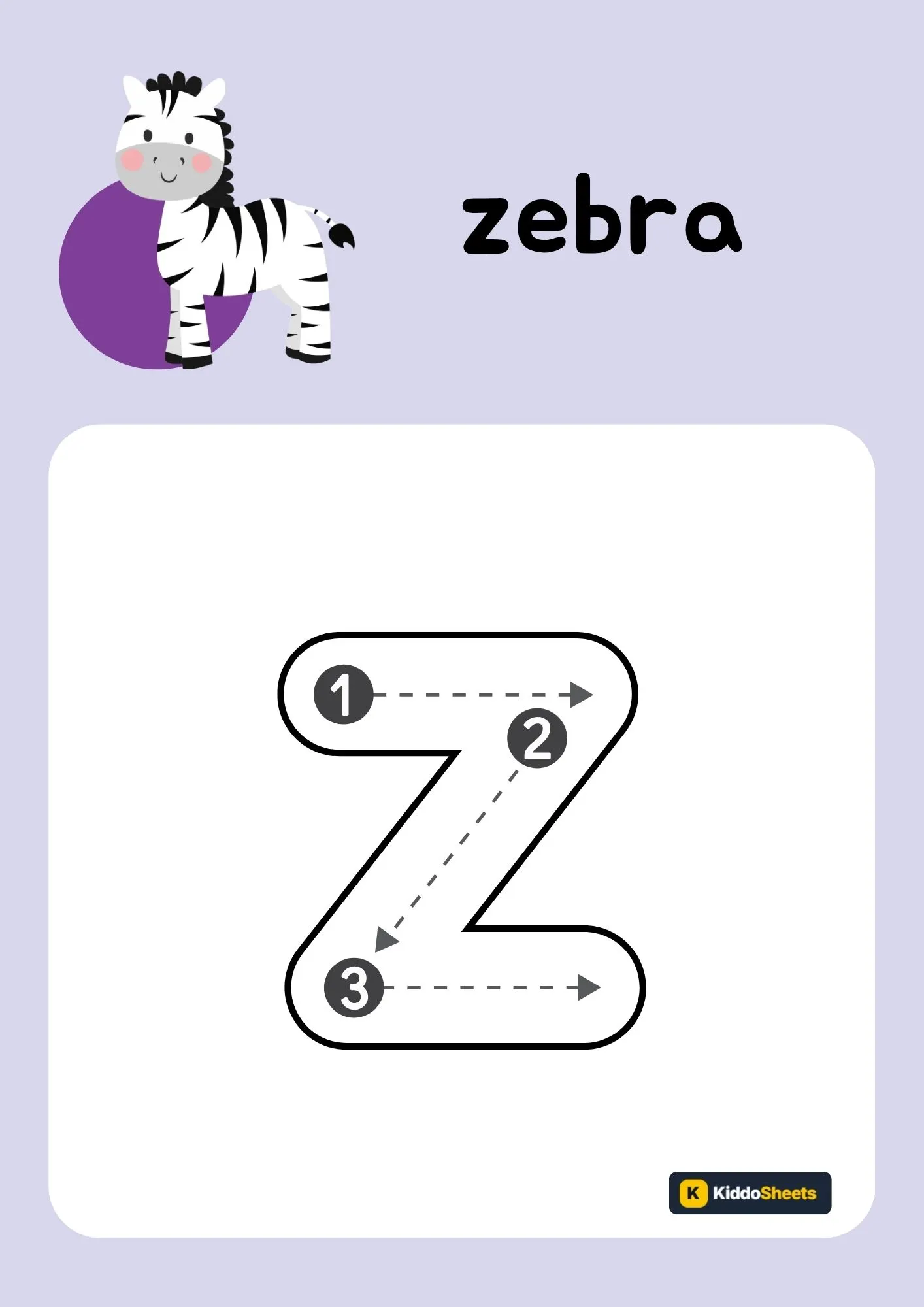
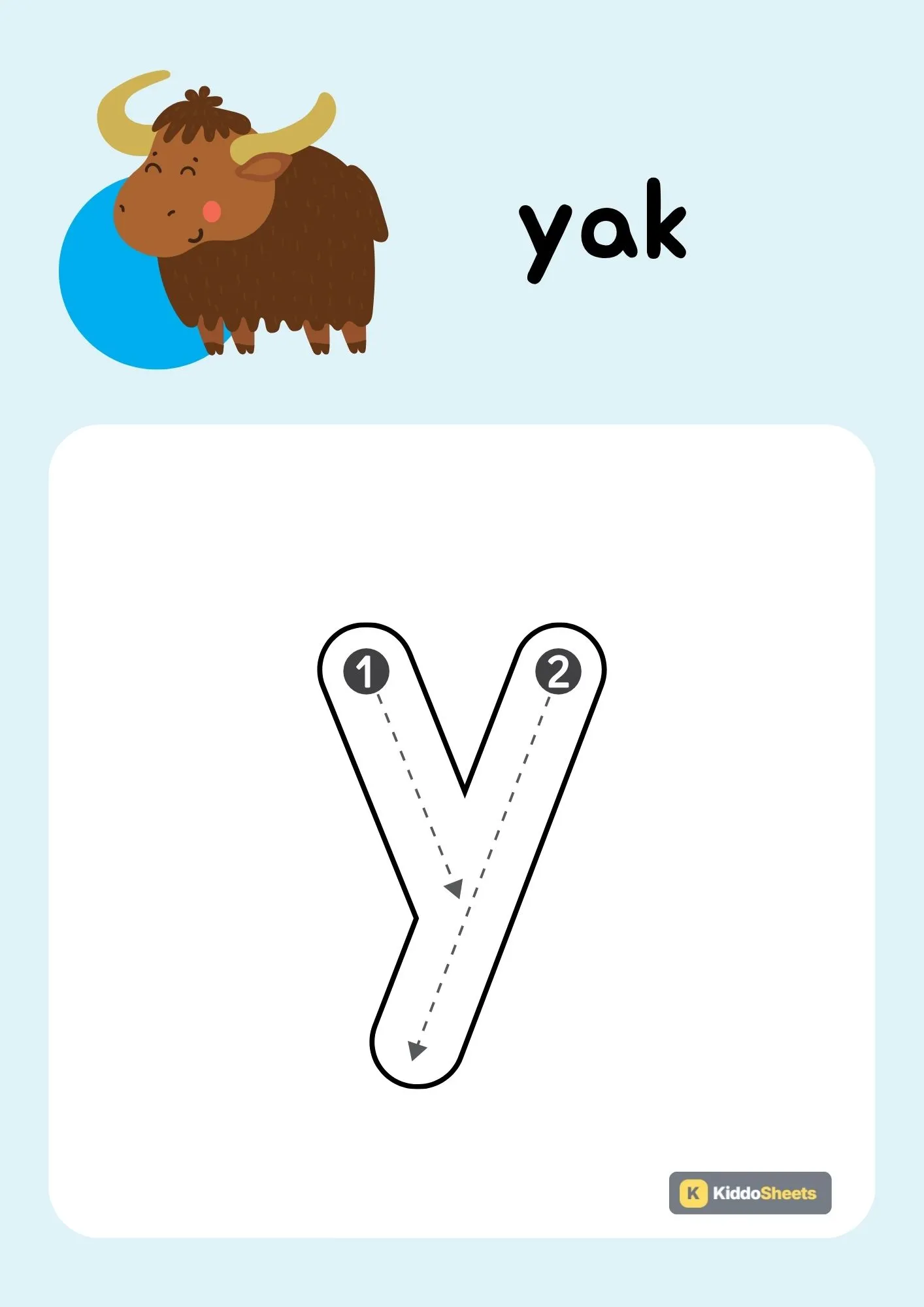
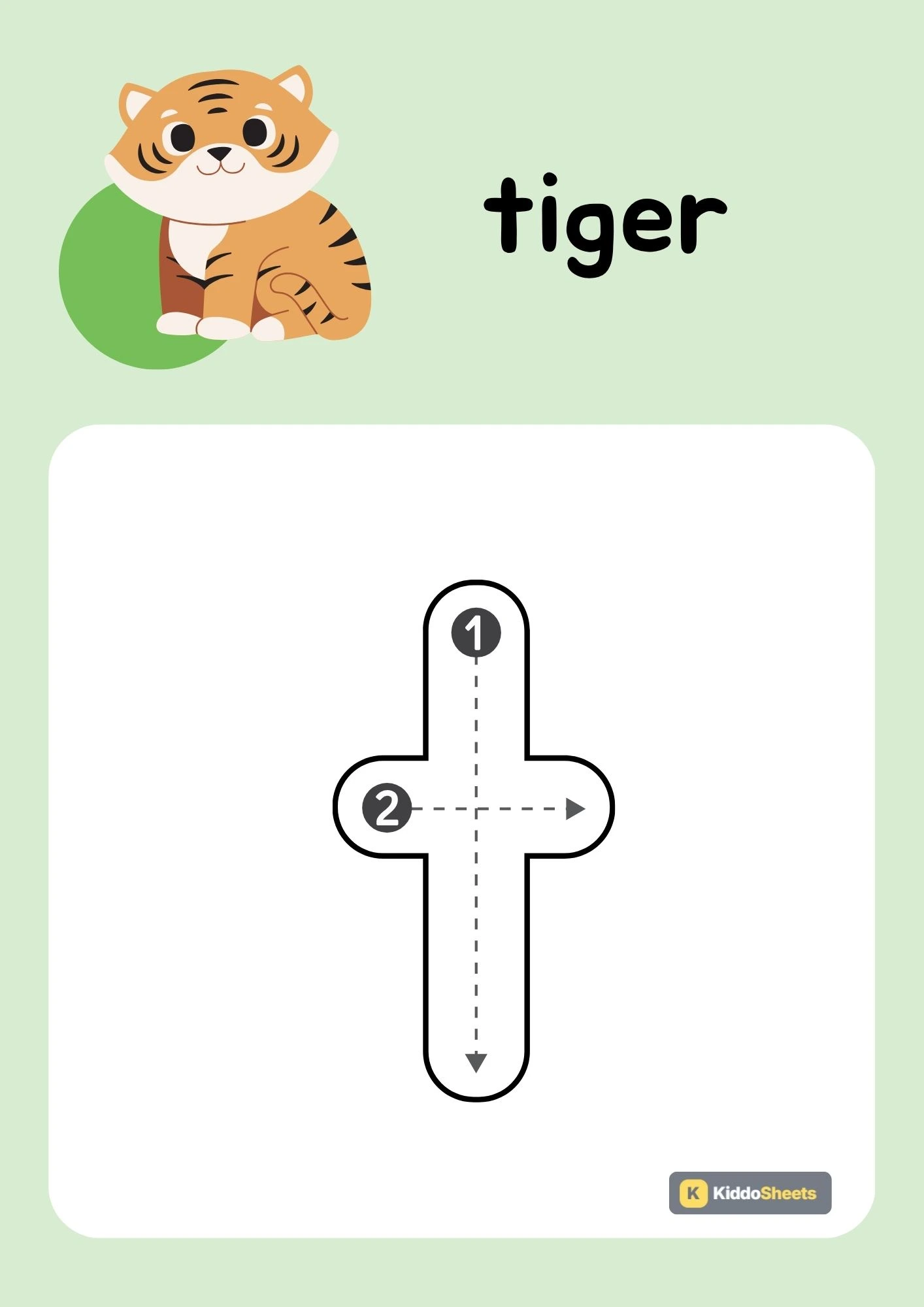
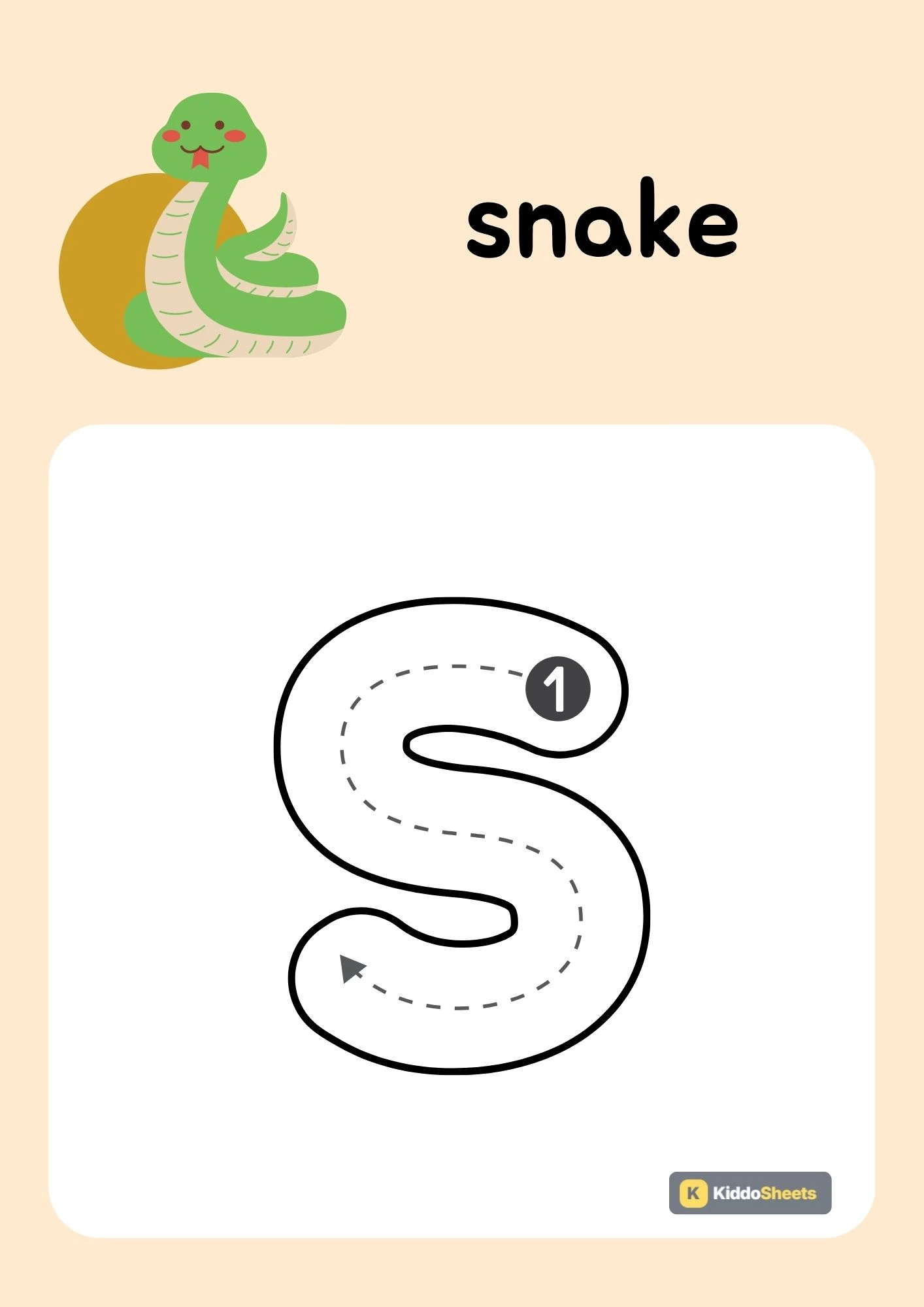
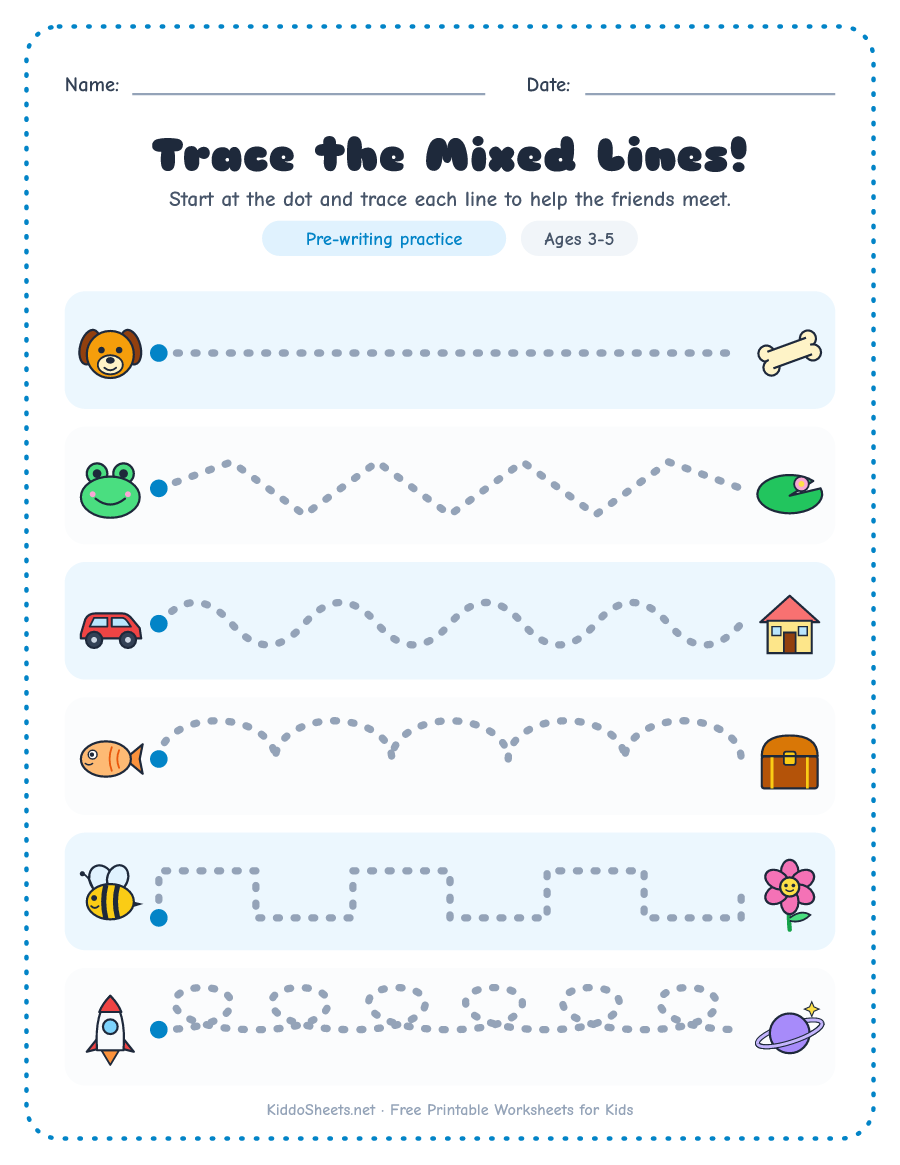
Tracing is the bridge between scribbling and writing. Following a dashed path teaches a child where a stroke starts, which direction it travels and when to stop, while the guide line takes away the pressure of getting the shape right on their own.
Number Worksheets
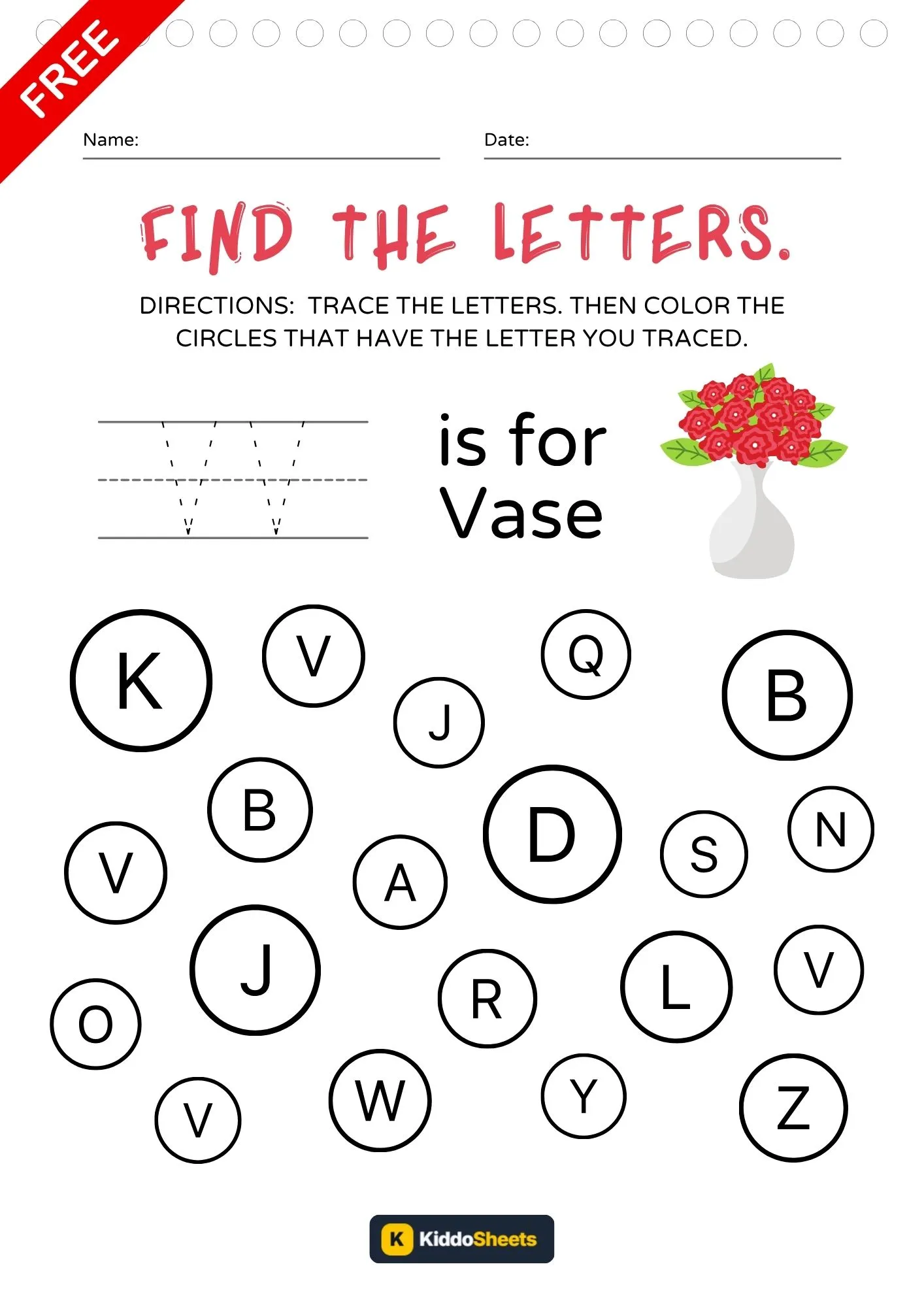
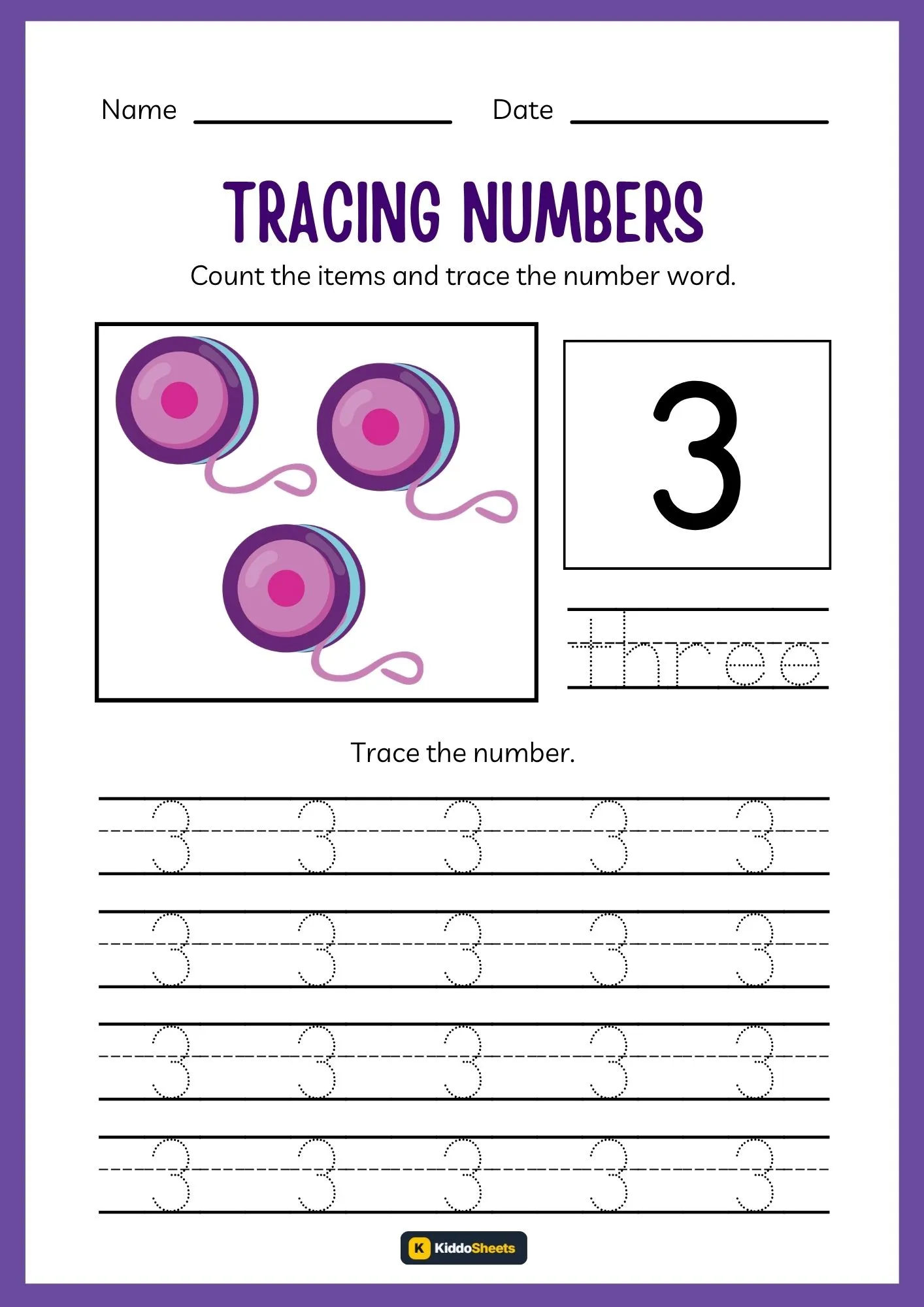
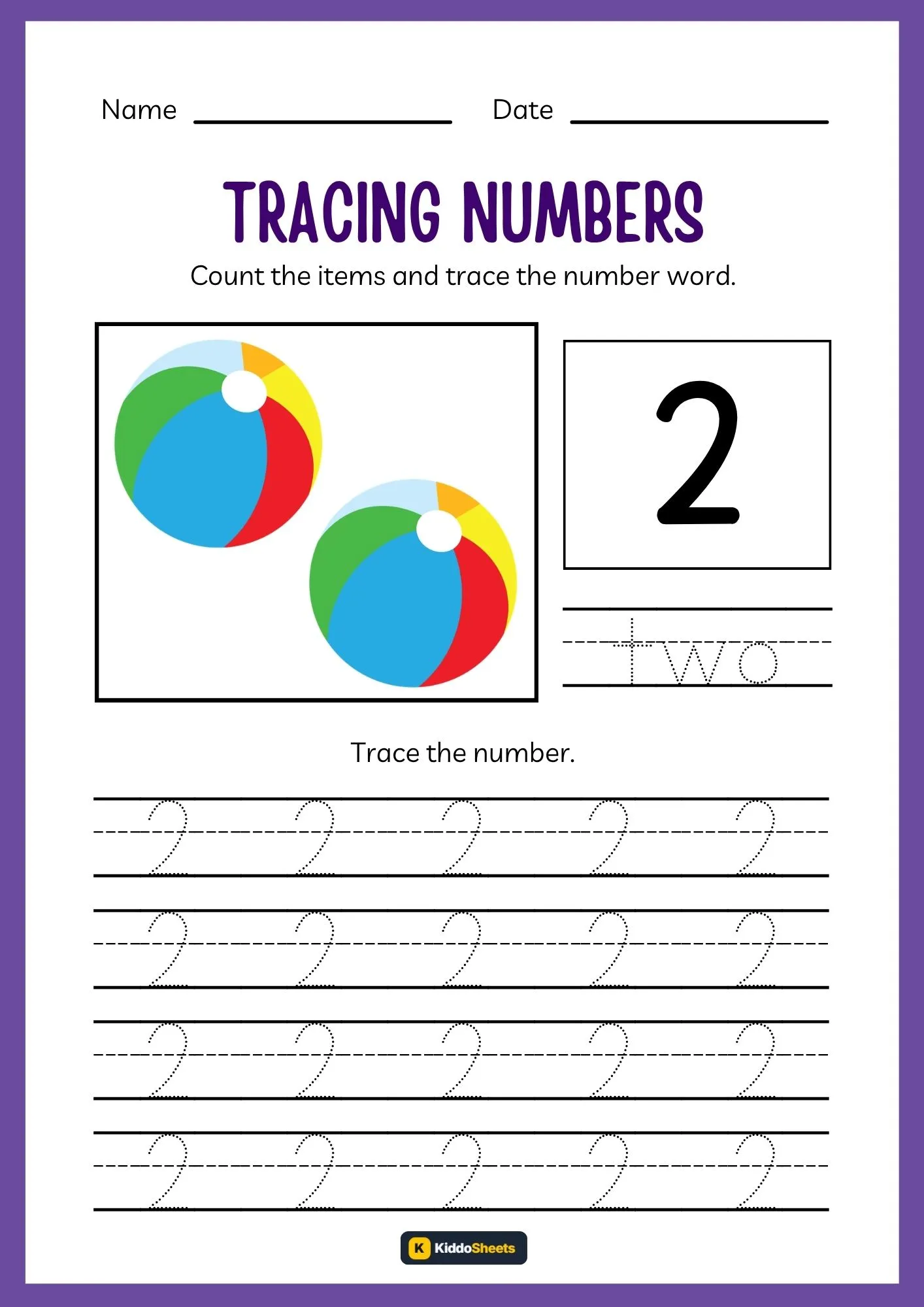
Number sense grows in small steps: saying the counting words in order, matching one number to one object, recognizing written numerals, and finally understanding how numbers relate to each other (more, less, before, after).
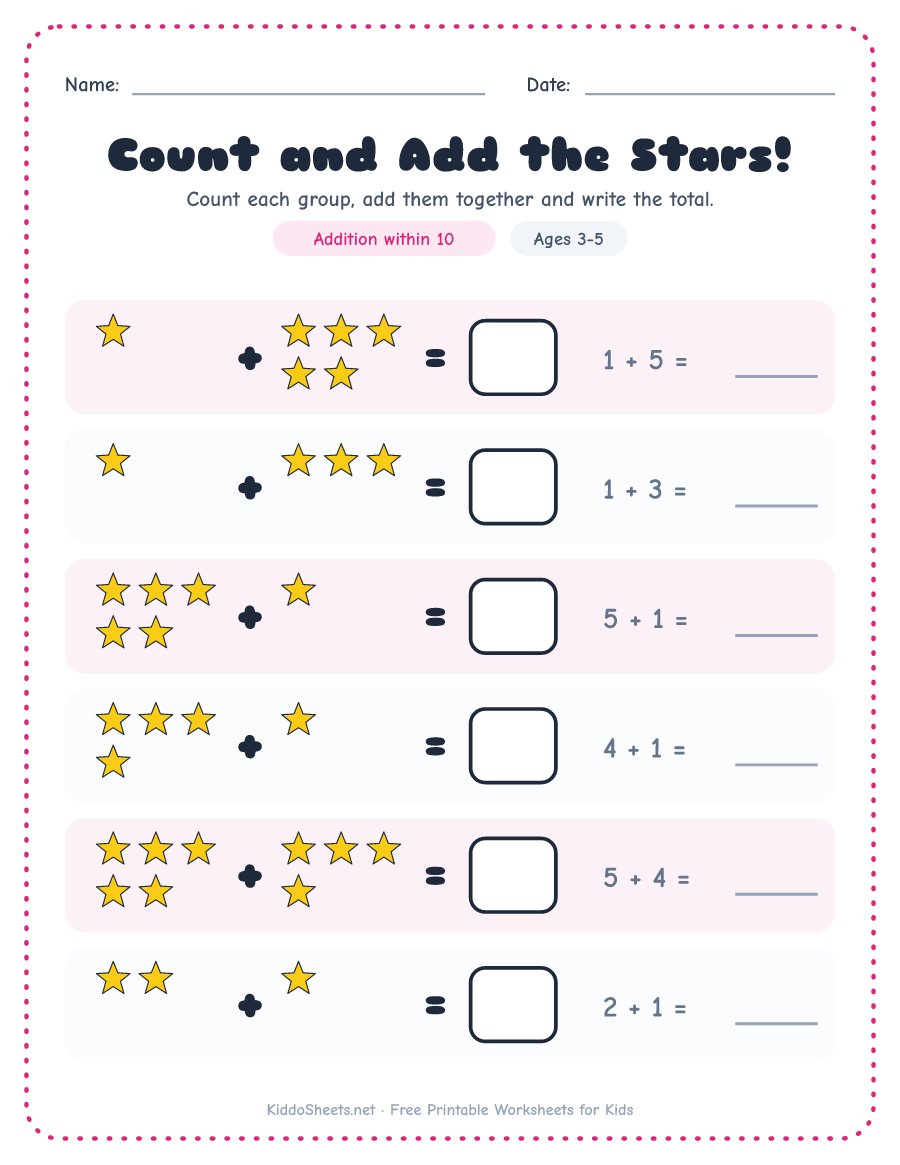
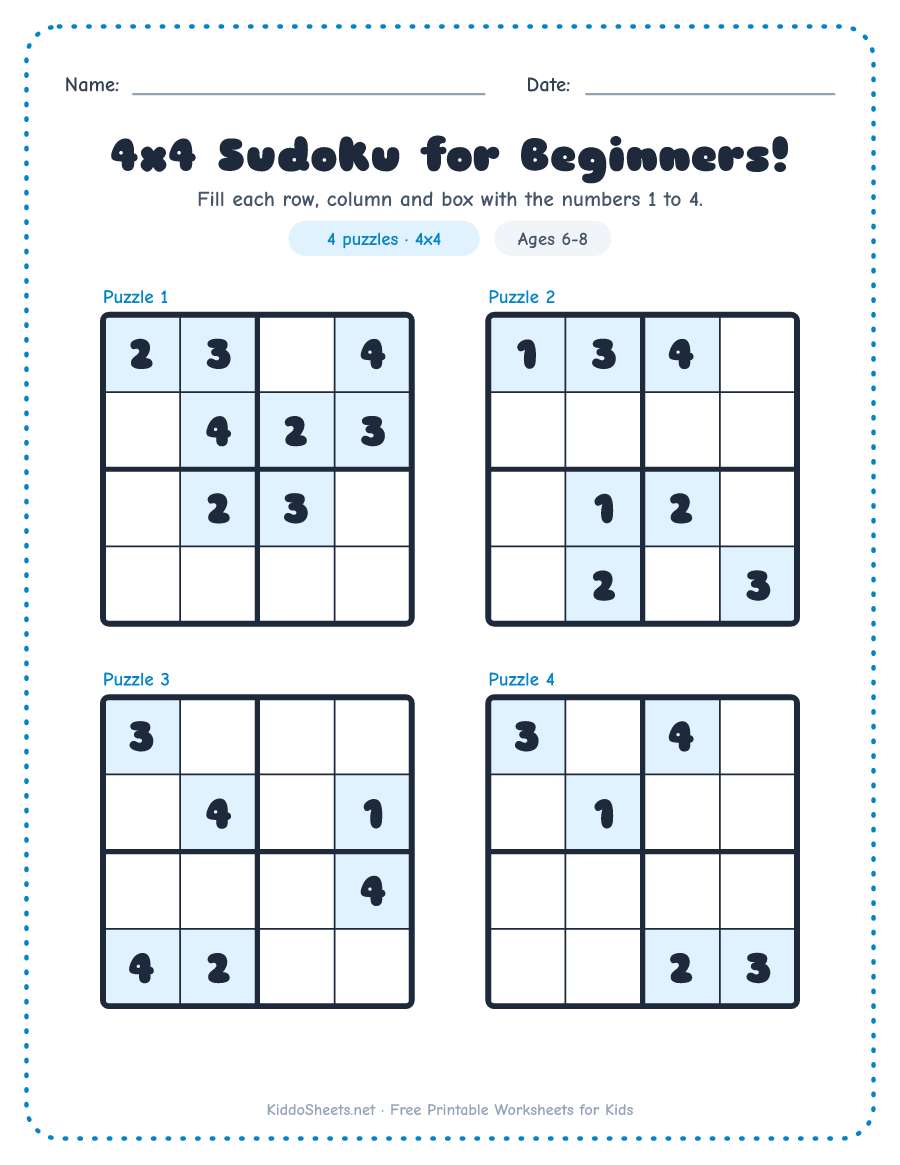
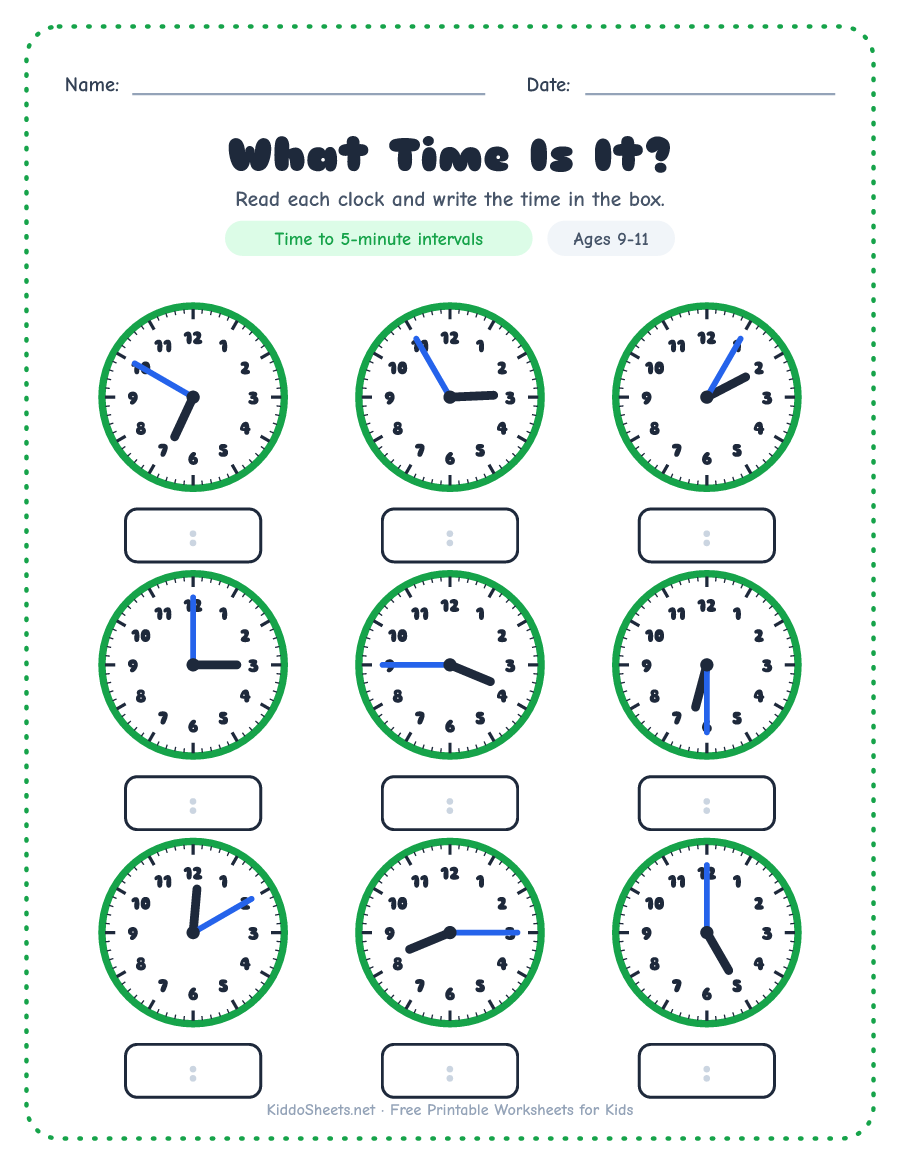
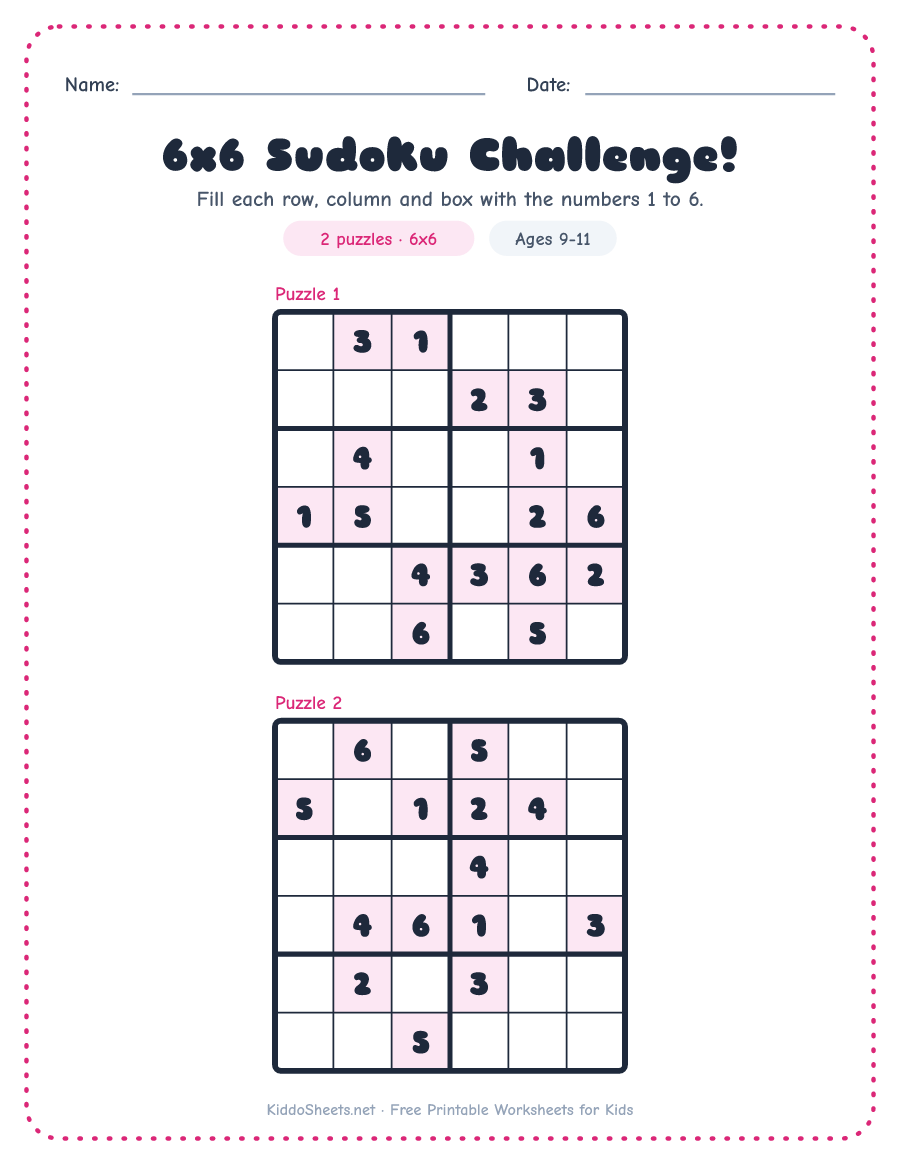
Math Worksheets
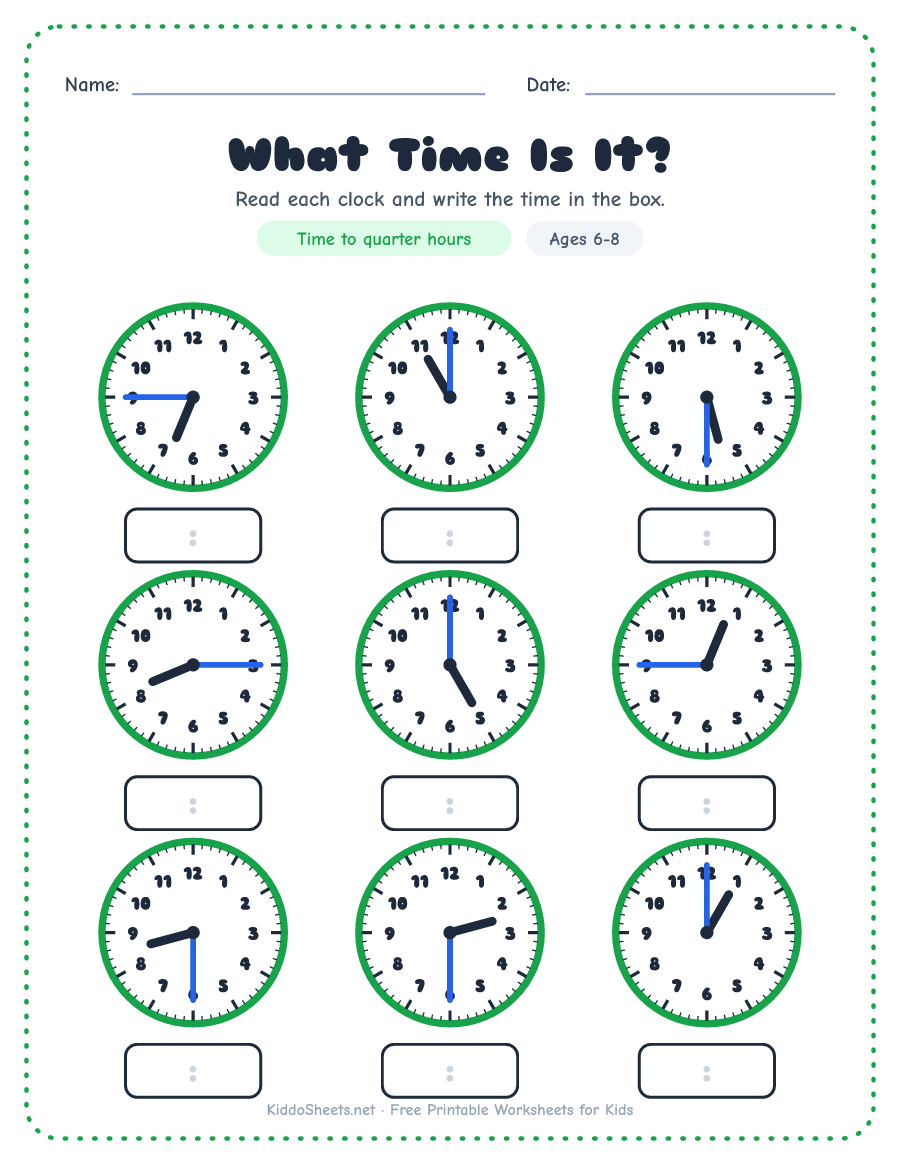
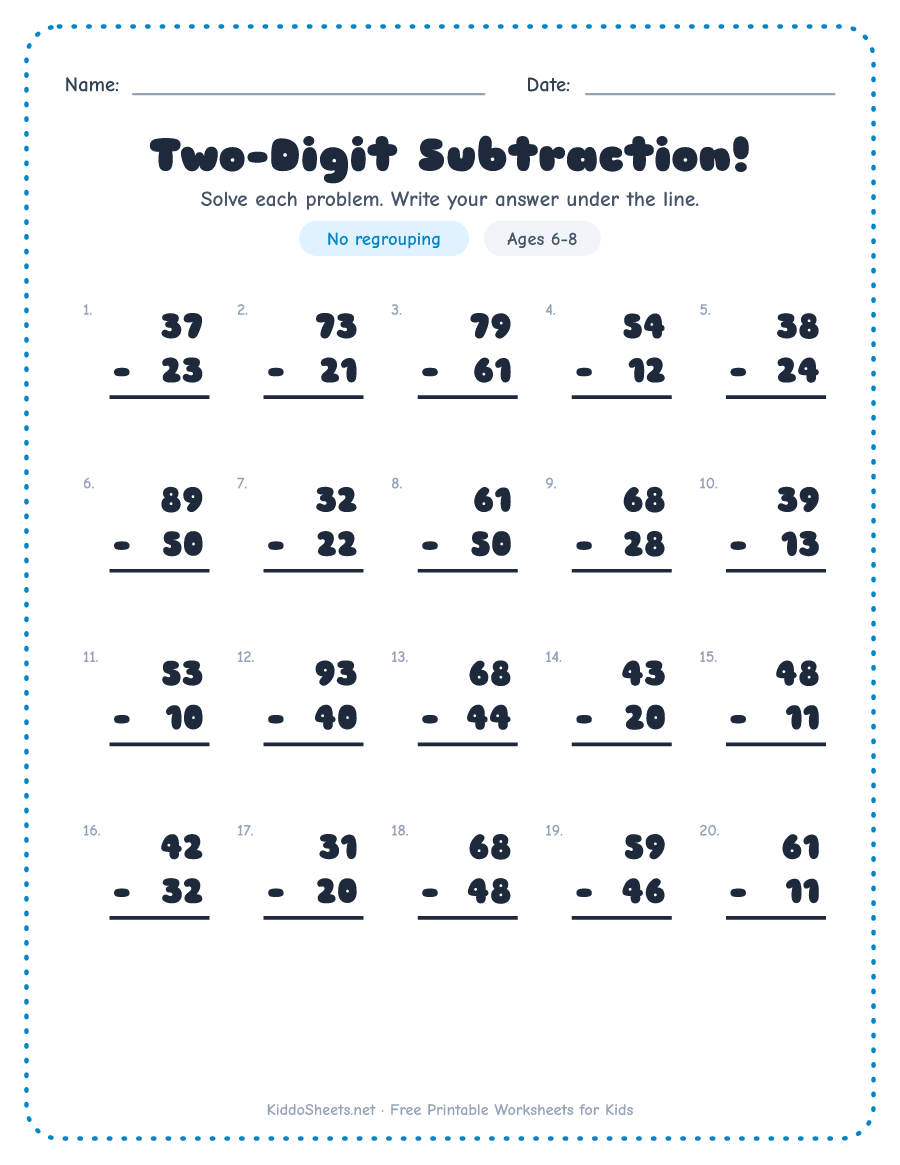
Math worksheets are most useful when they give focused practice on one skill after a child has explored it with real objects. A page of 20 problems is a chance to build speed and confidence, not the place where a new idea is first taught.
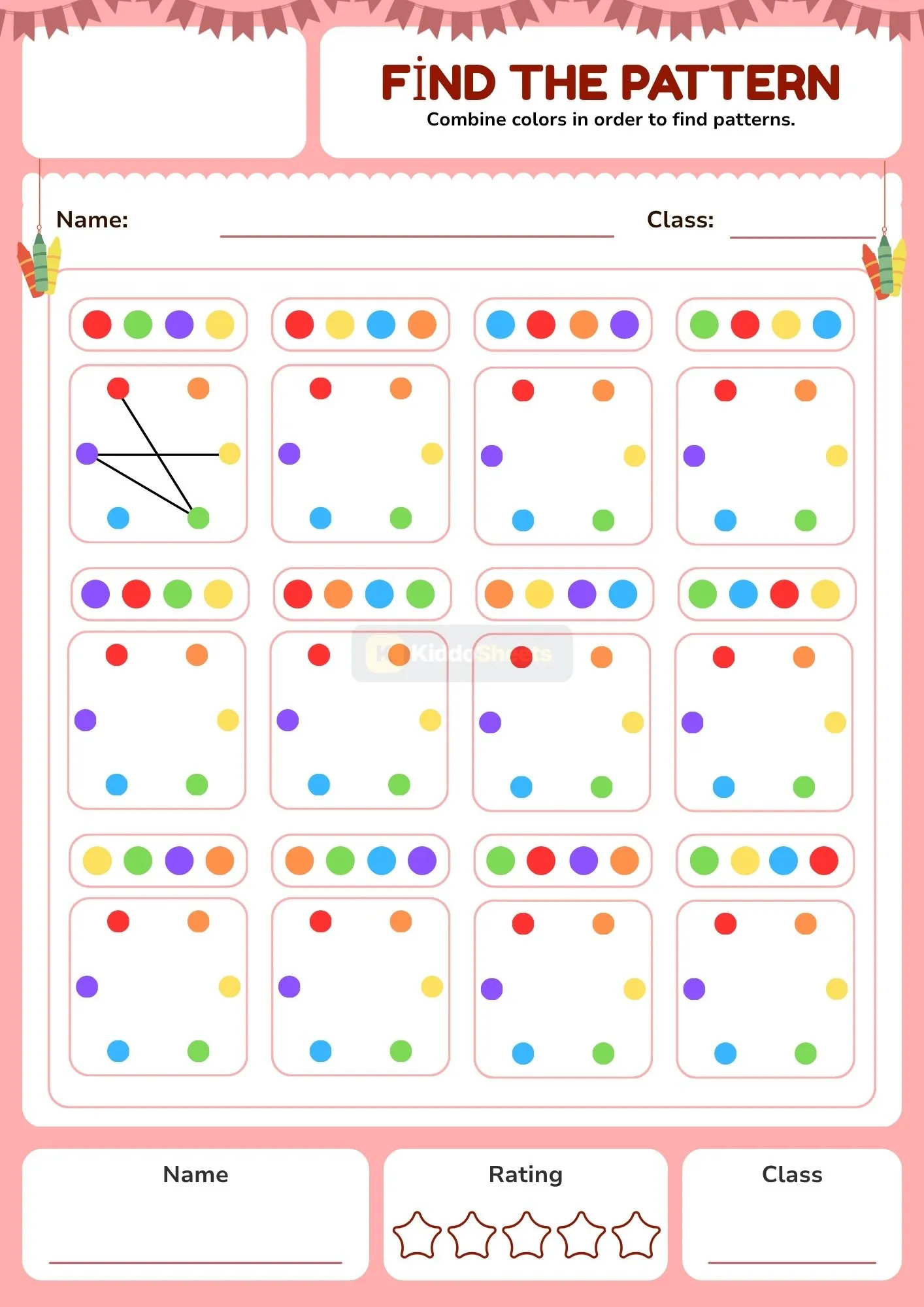
Pattern Worksheets
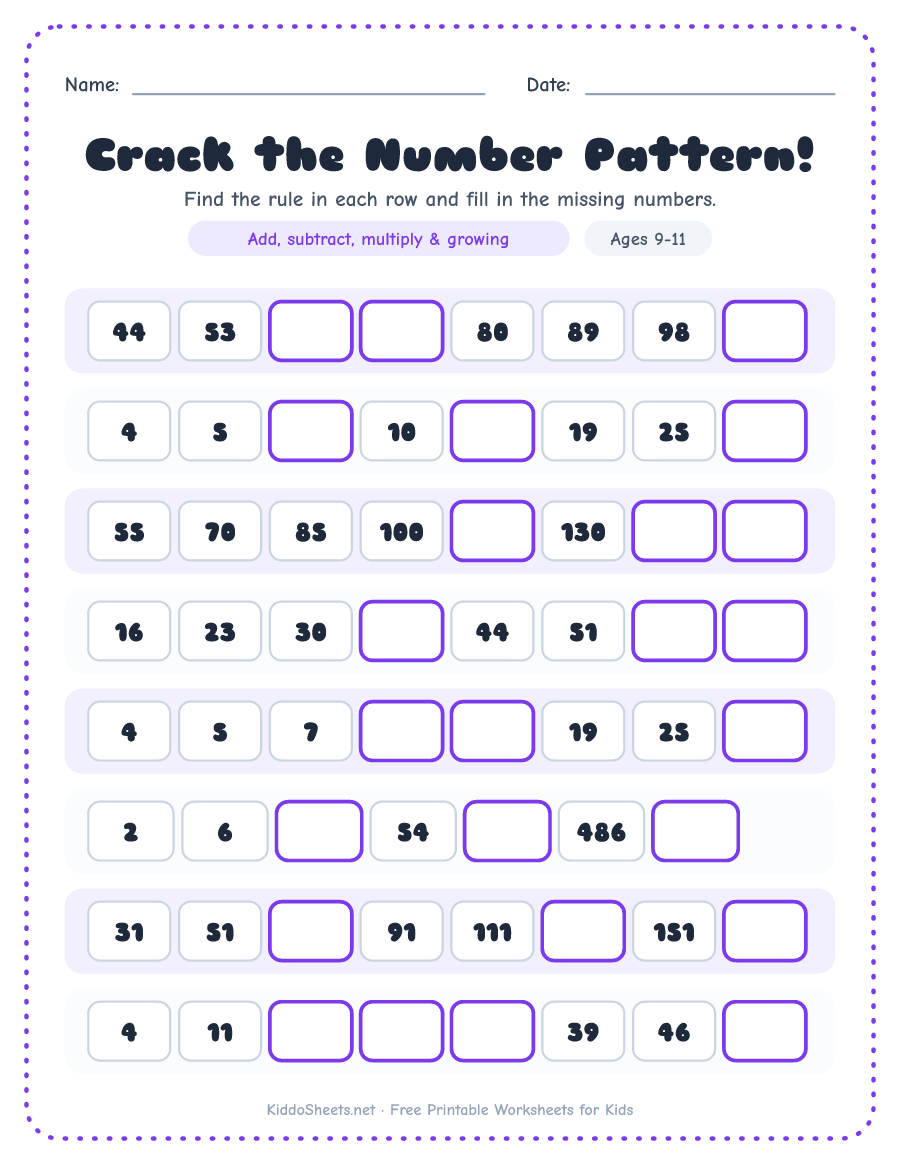
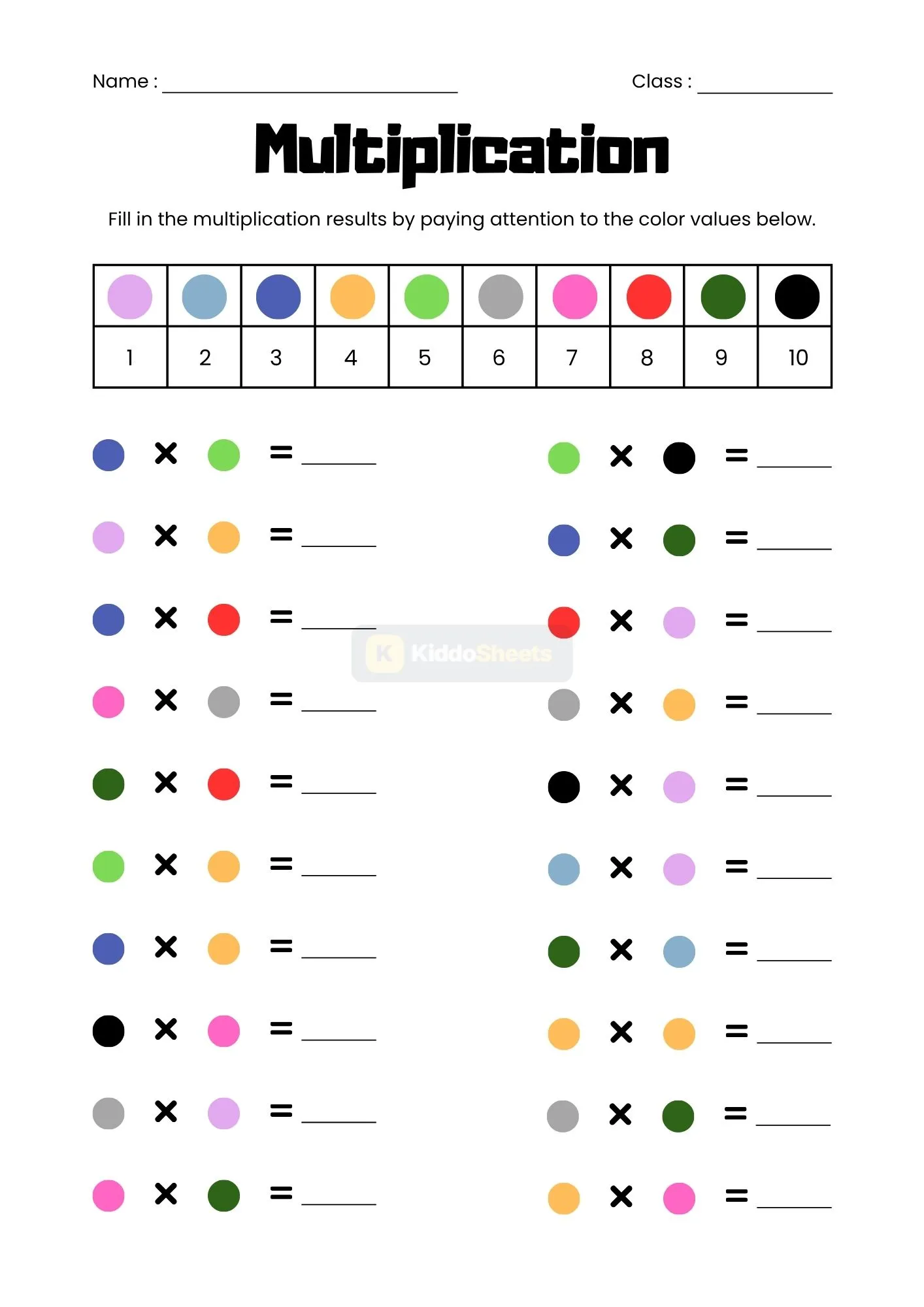
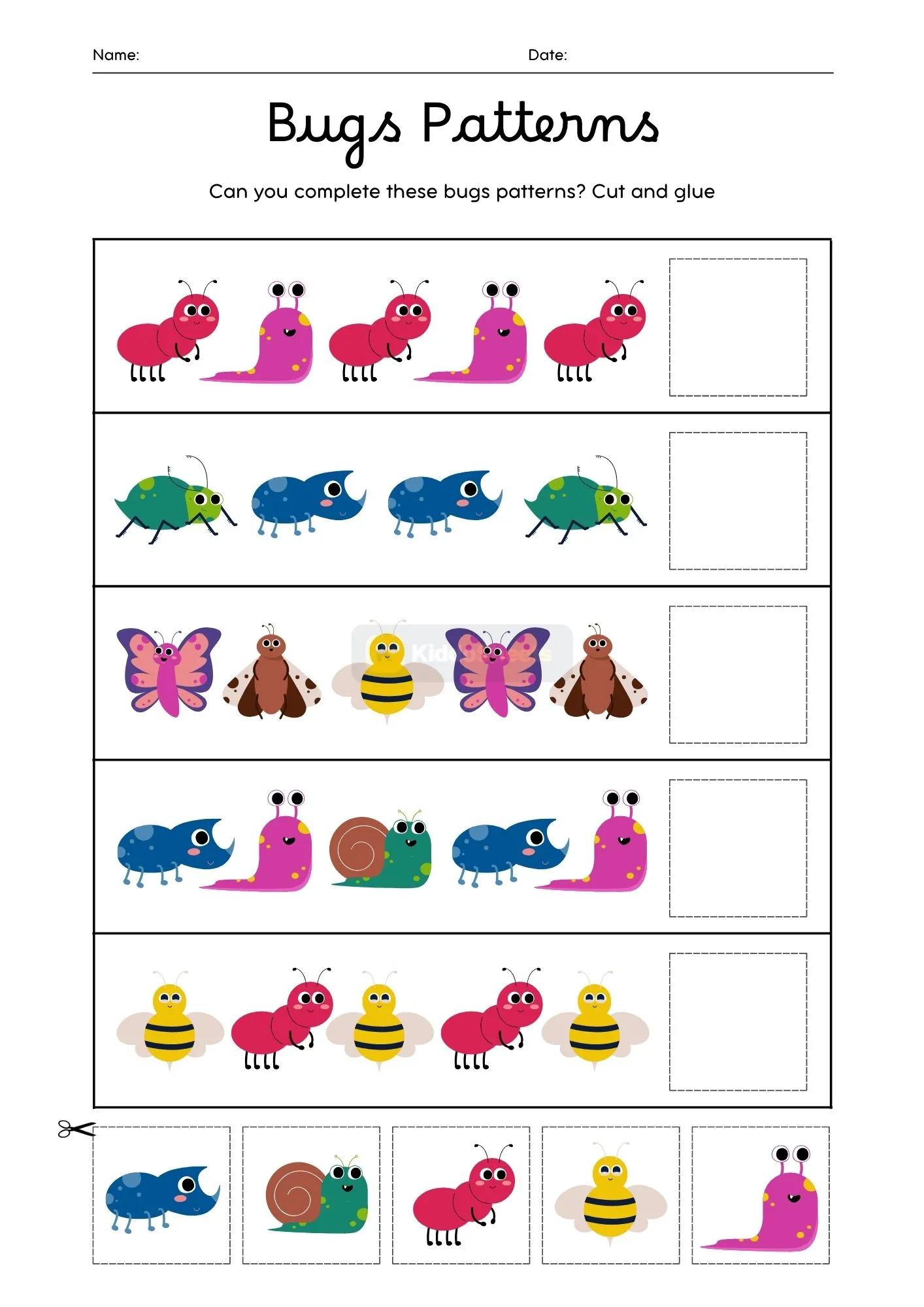
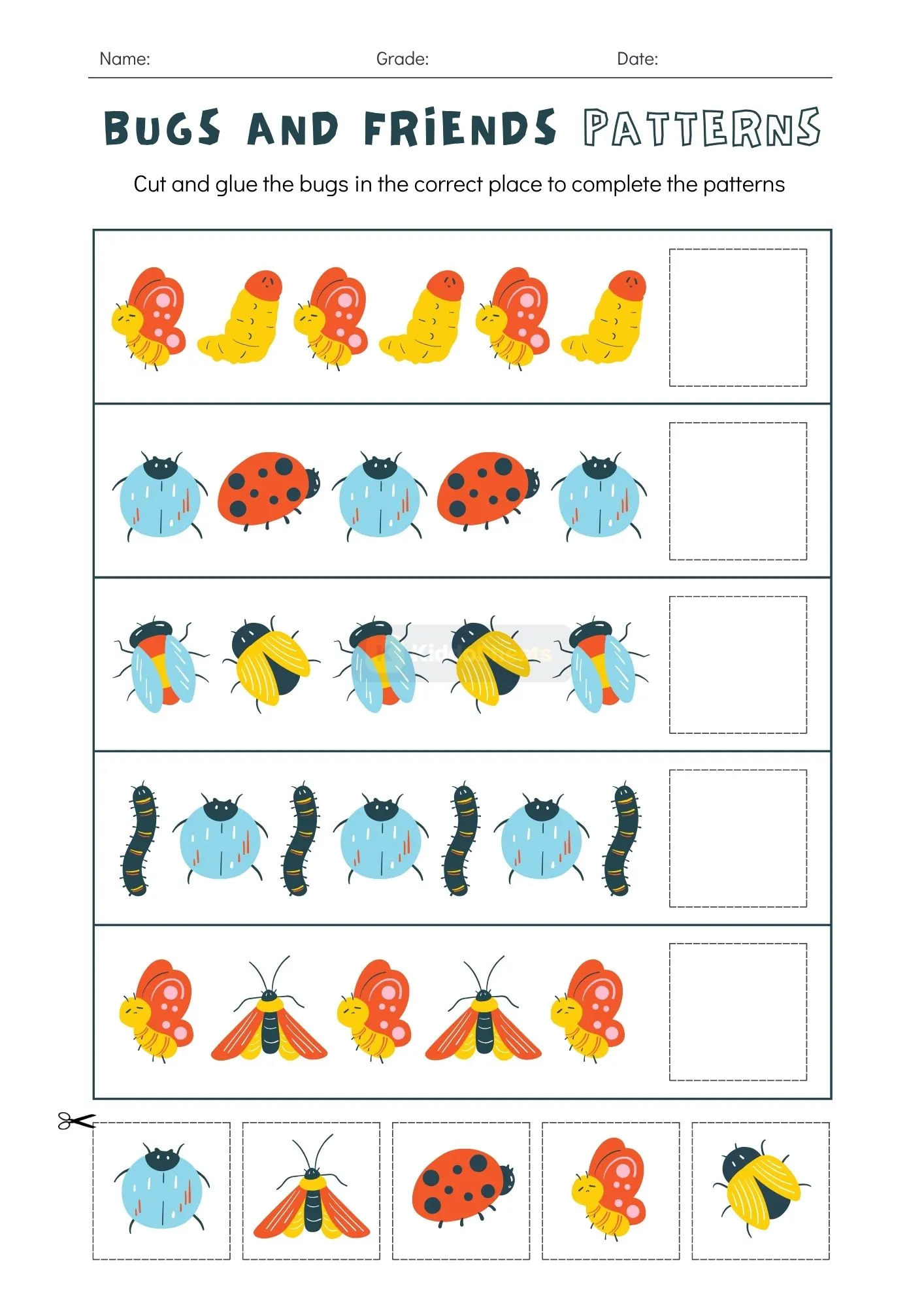
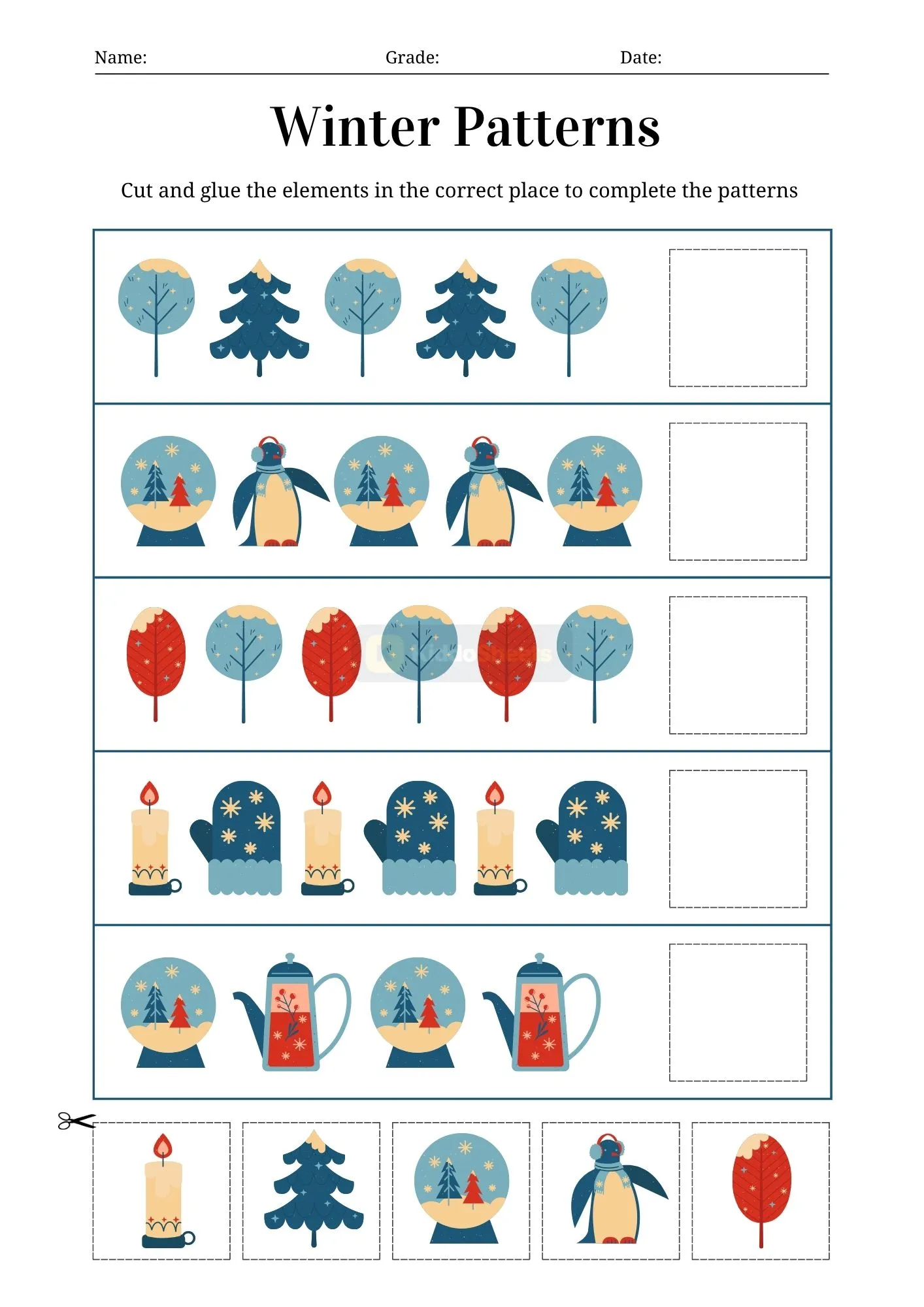
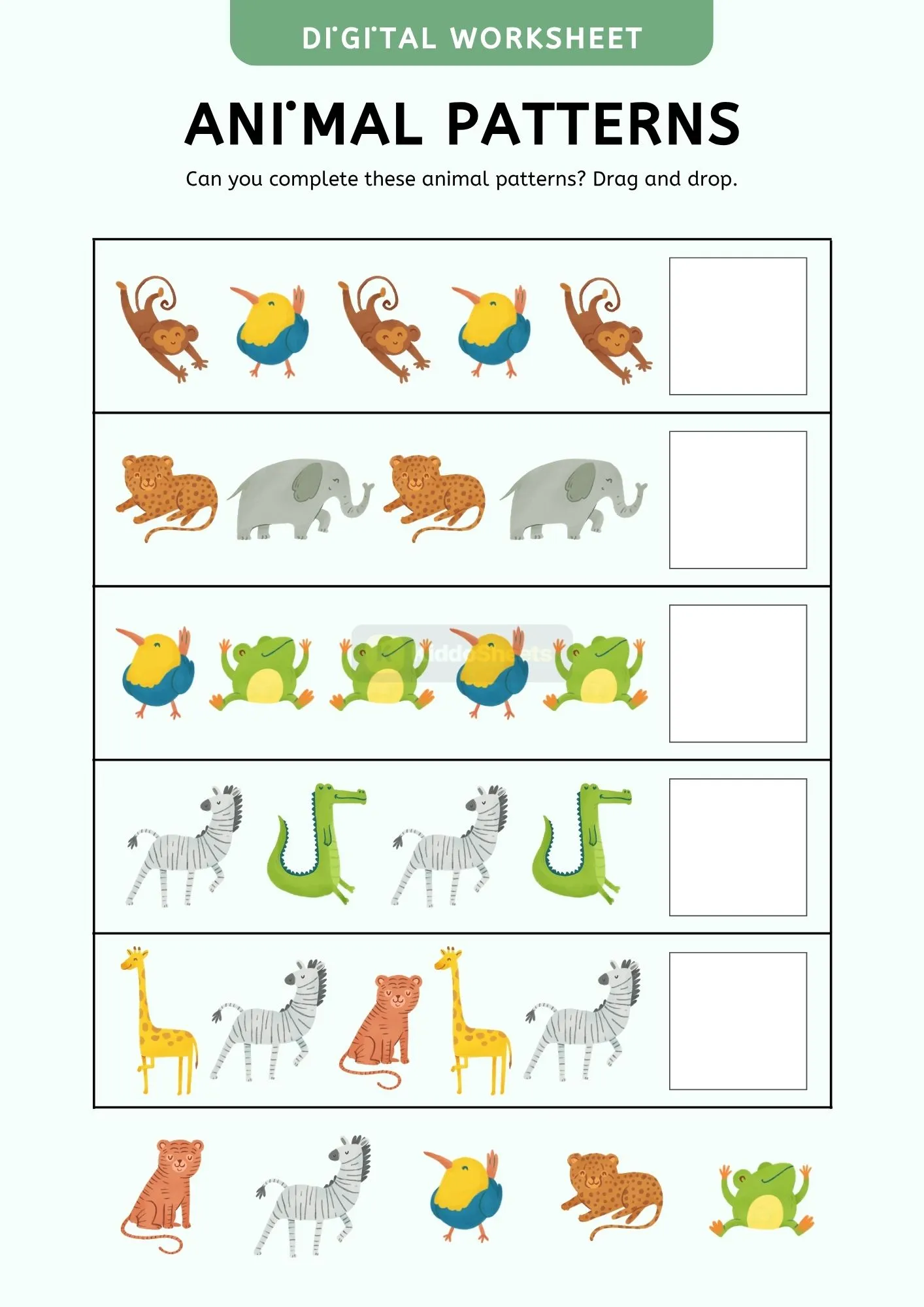
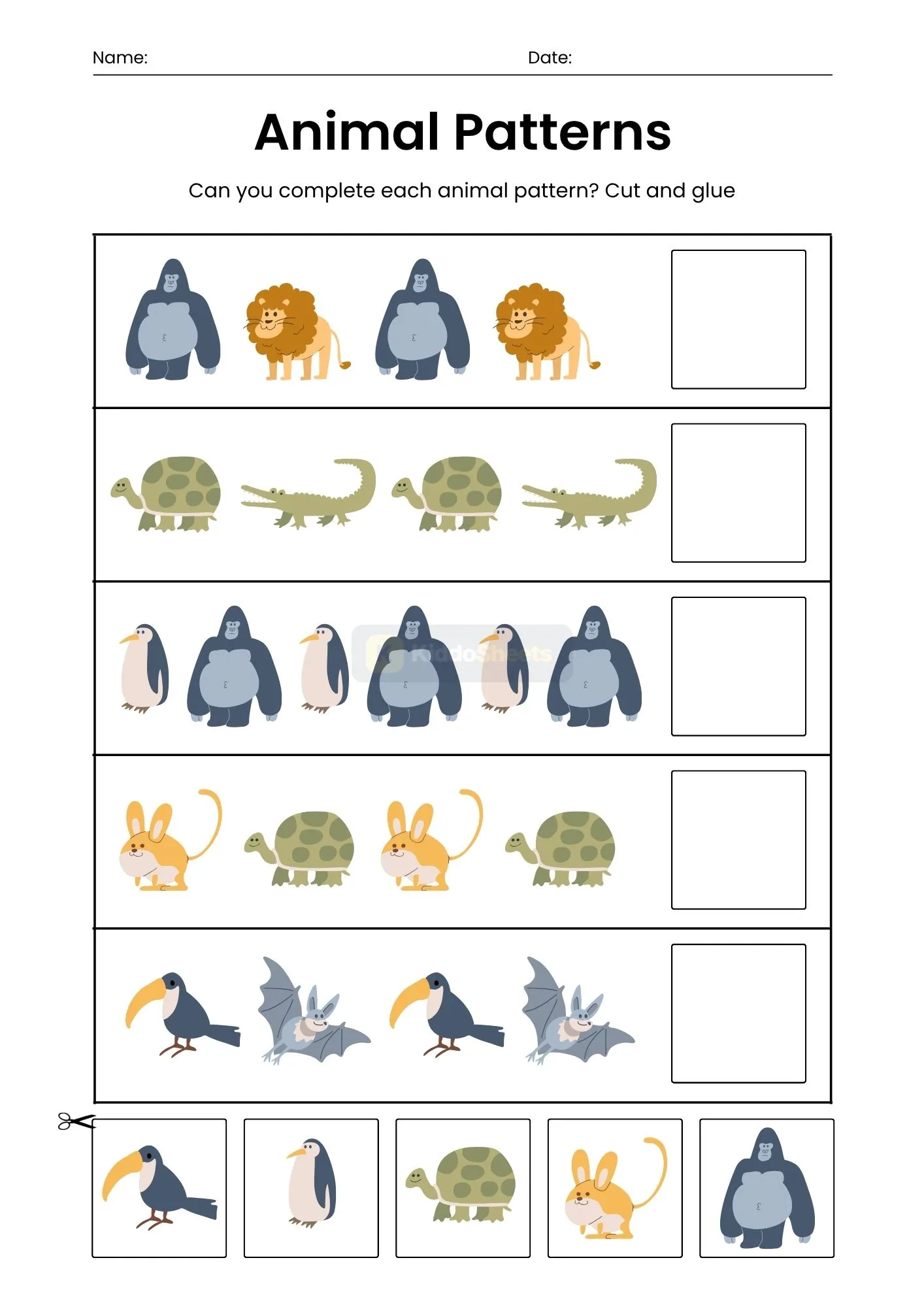
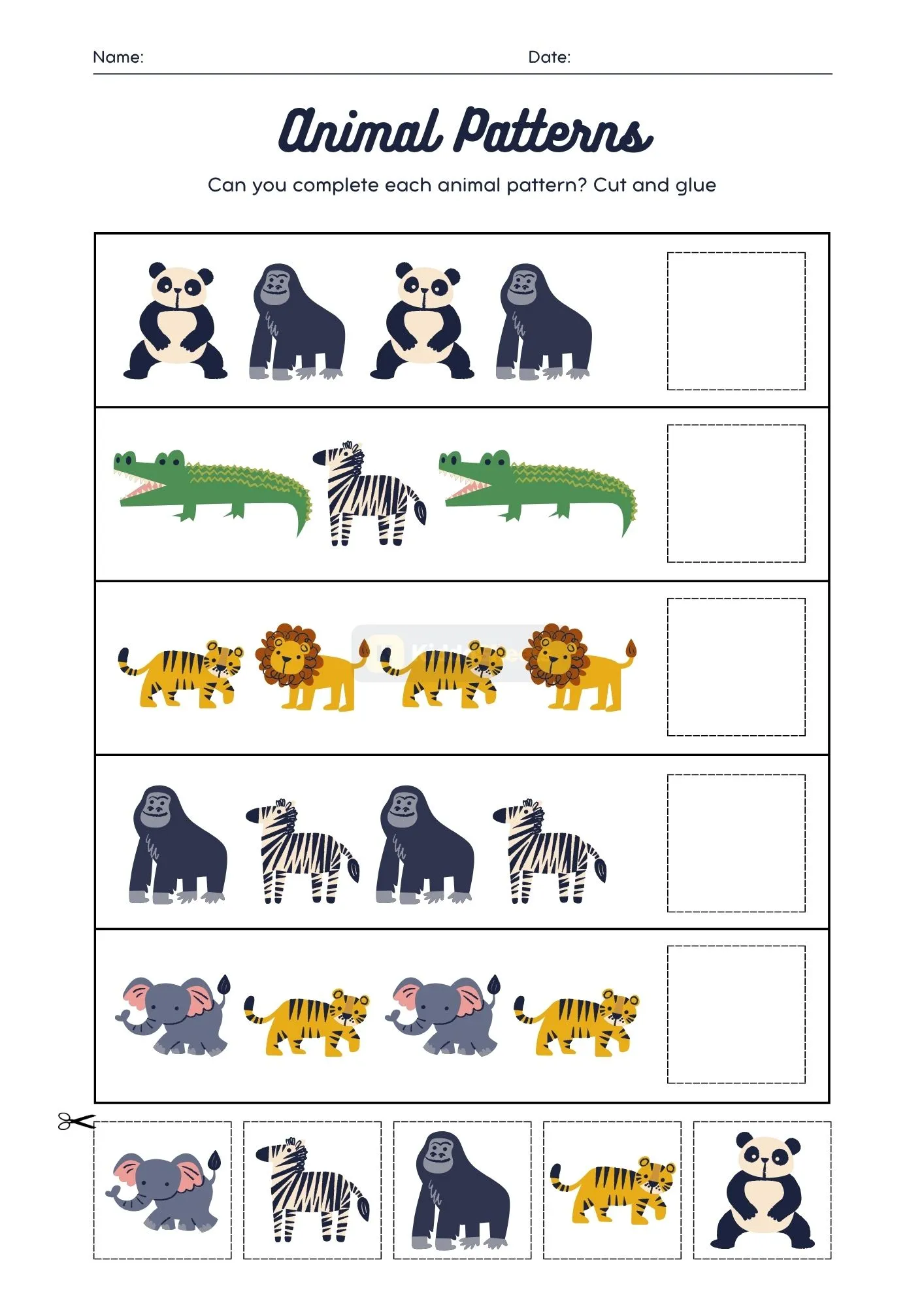
Recognizing a pattern means noticing a rule and using it to predict what comes next. That same habit of mind sits under skip counting, multiplication tables and, much later, algebra.
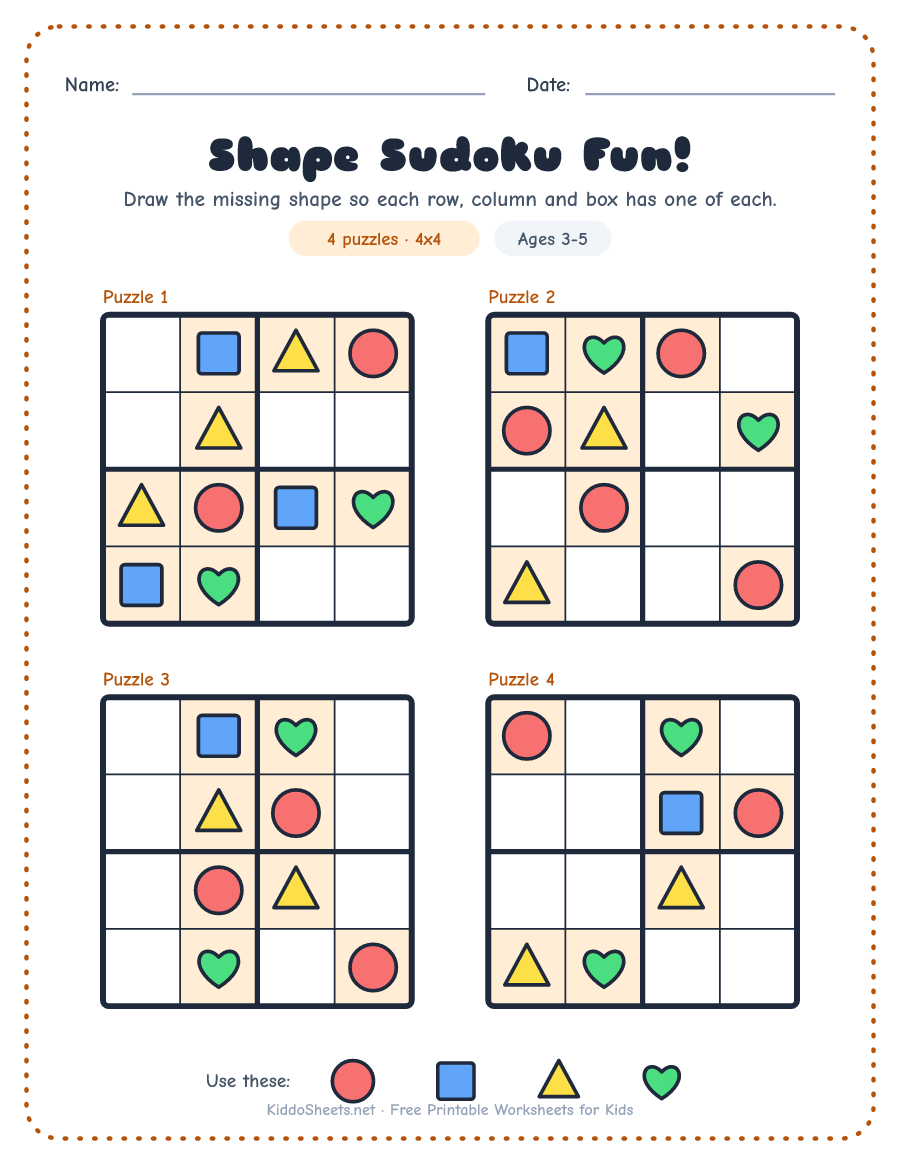
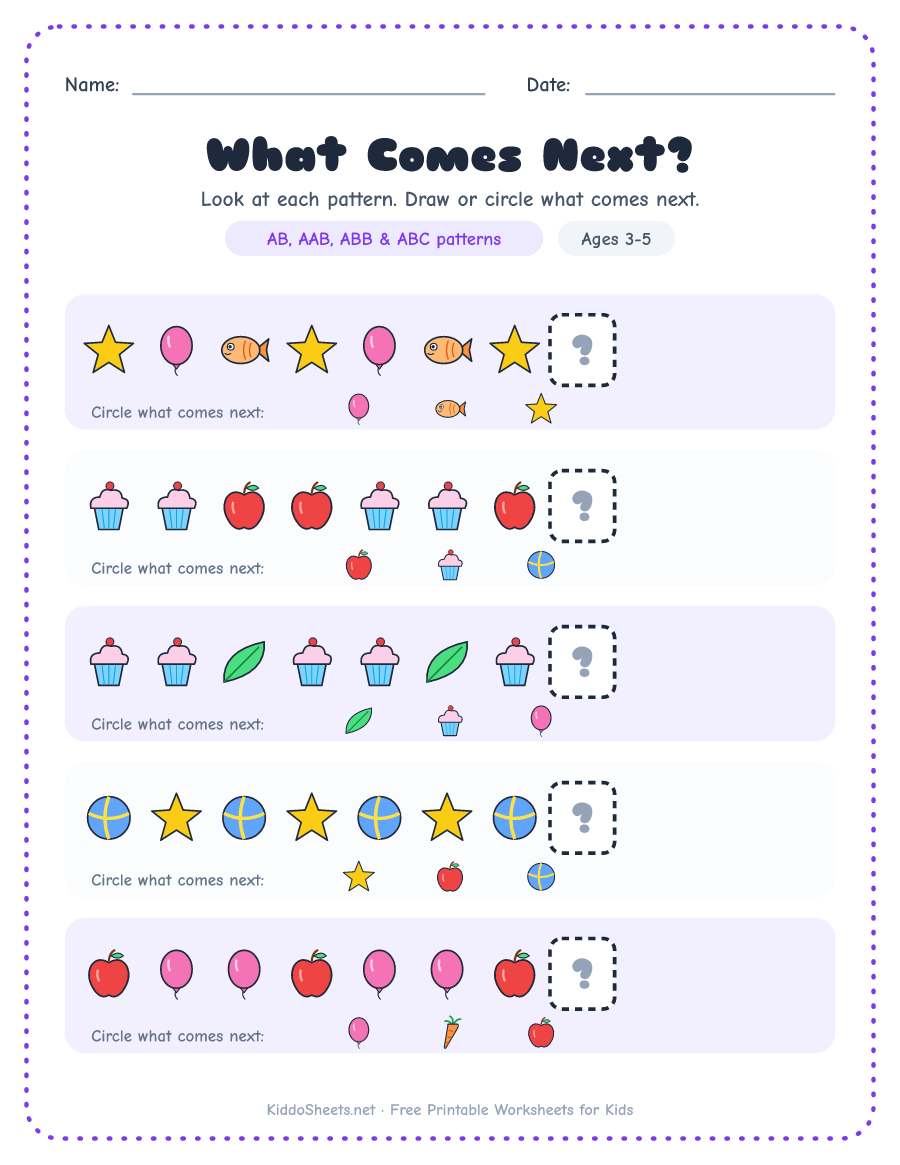
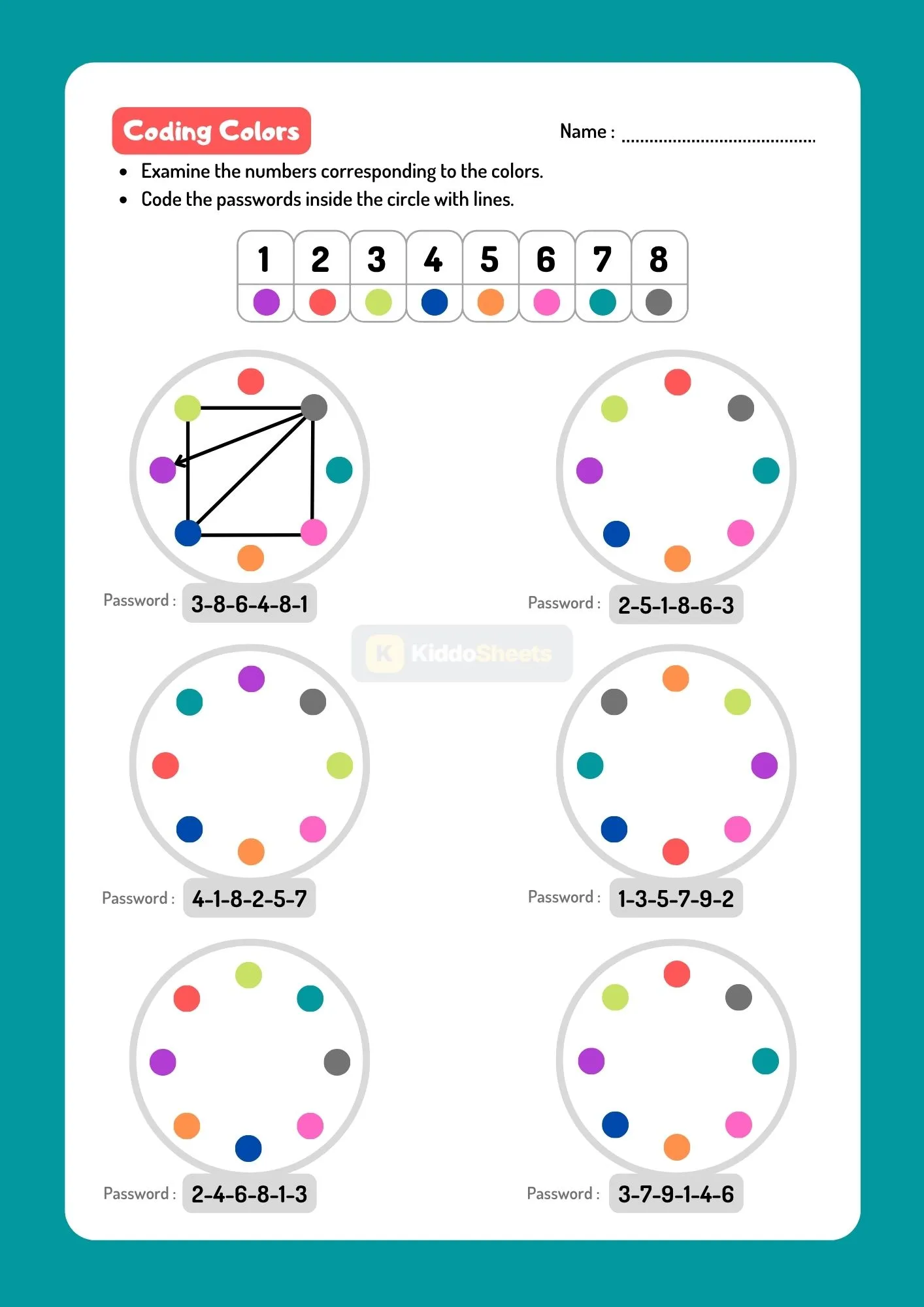
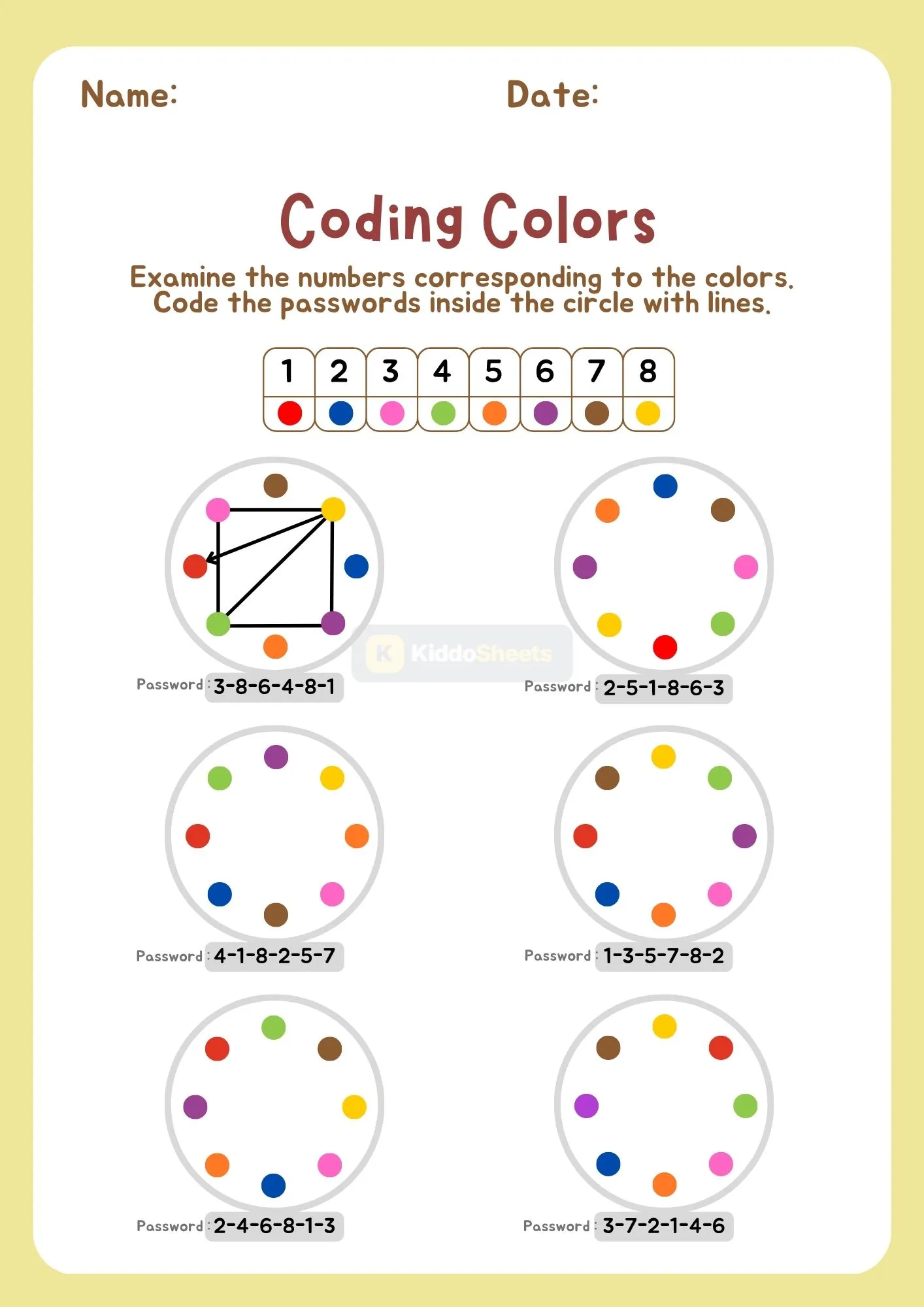
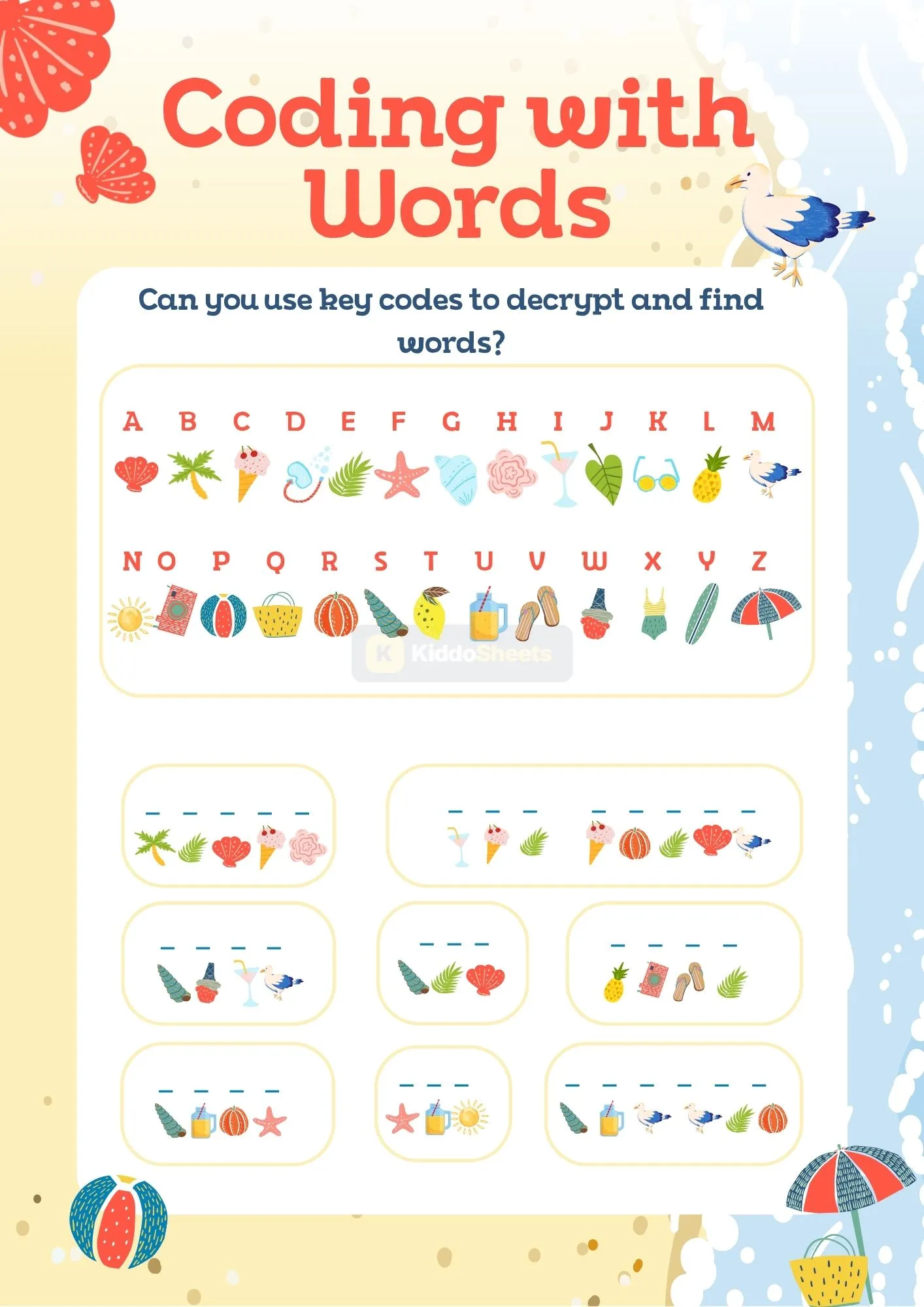
Vocabulary Worksheets
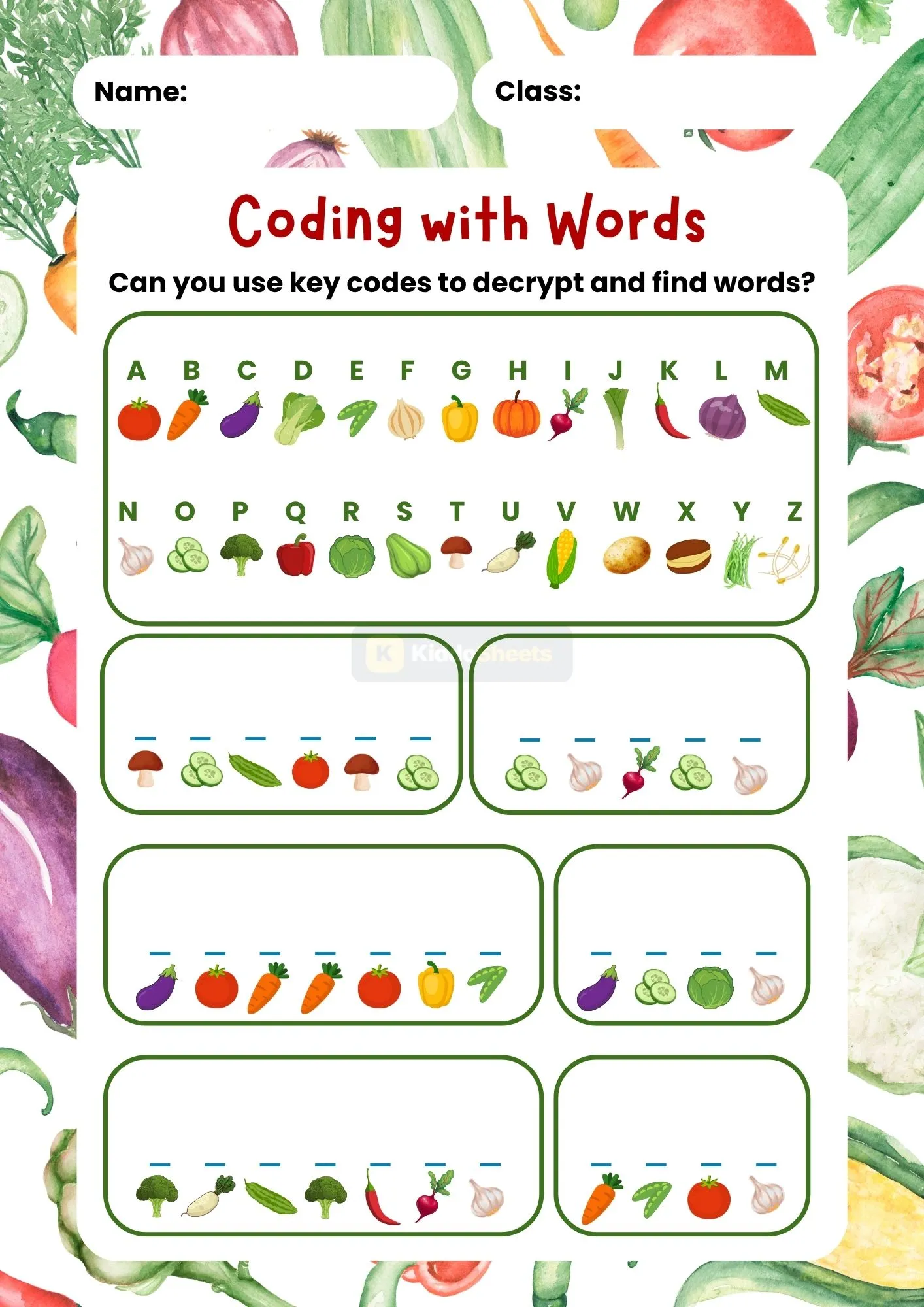
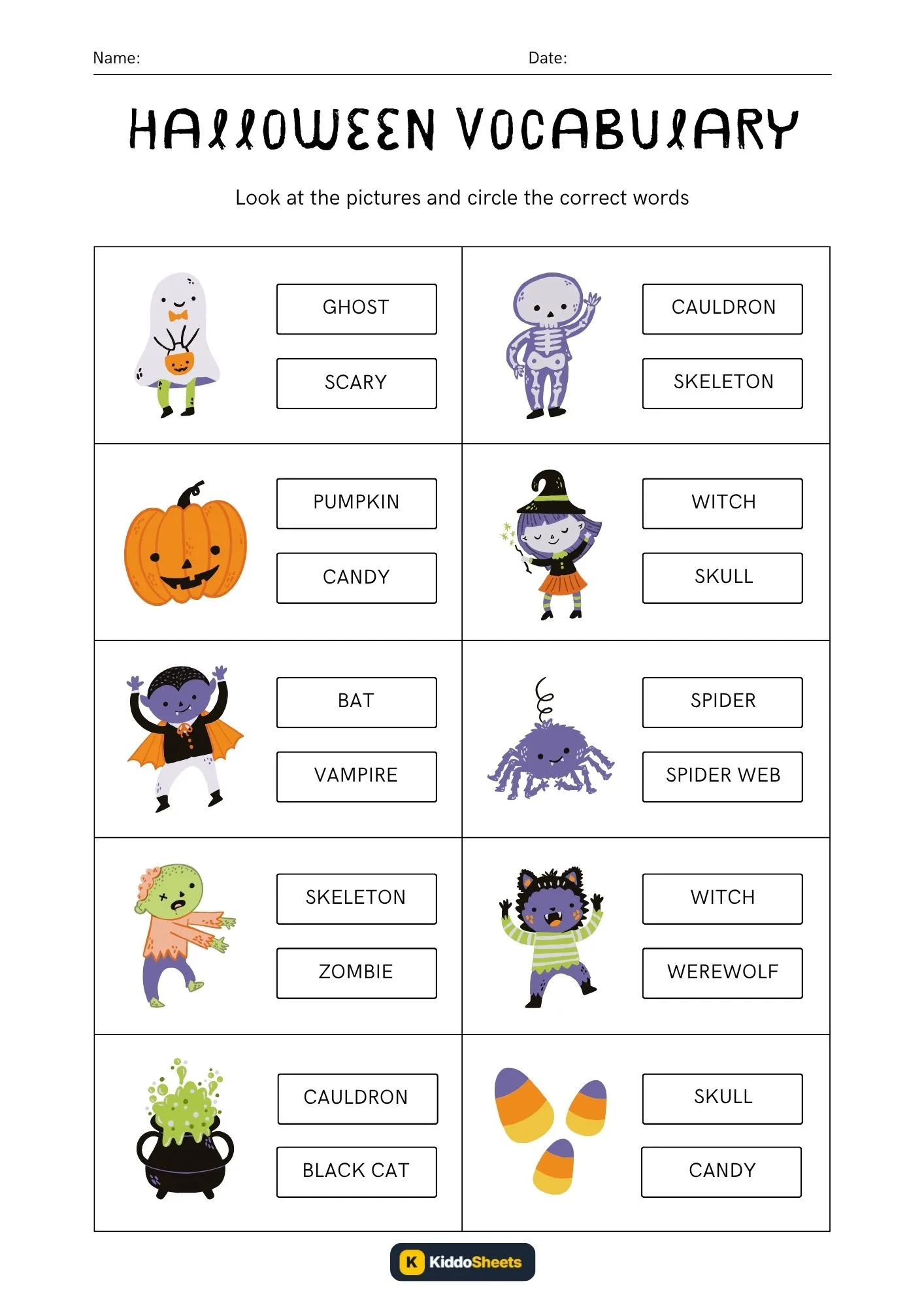
A child's vocabulary grows mostly through conversation and books, but short word activities help new words stick by making children look at the spelling, say the word and connect it to a picture or meaning.
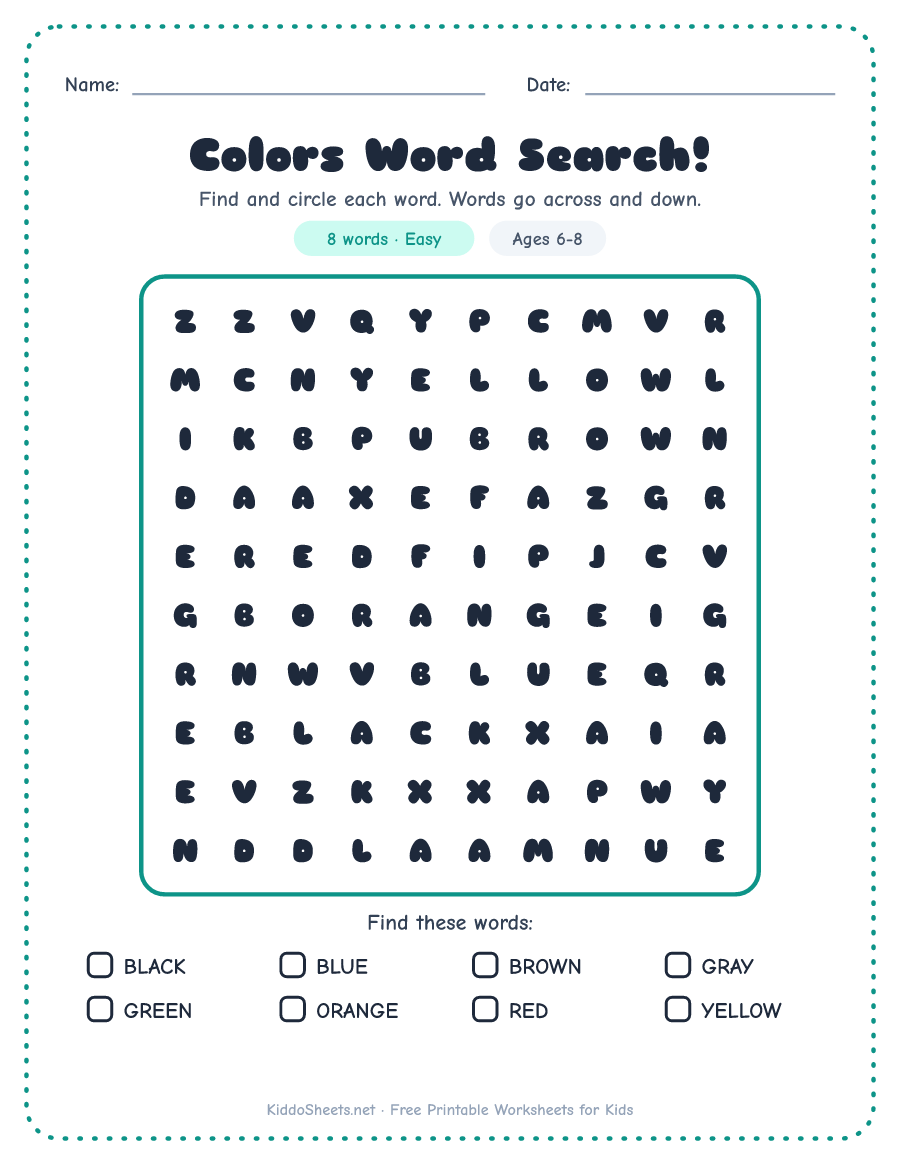
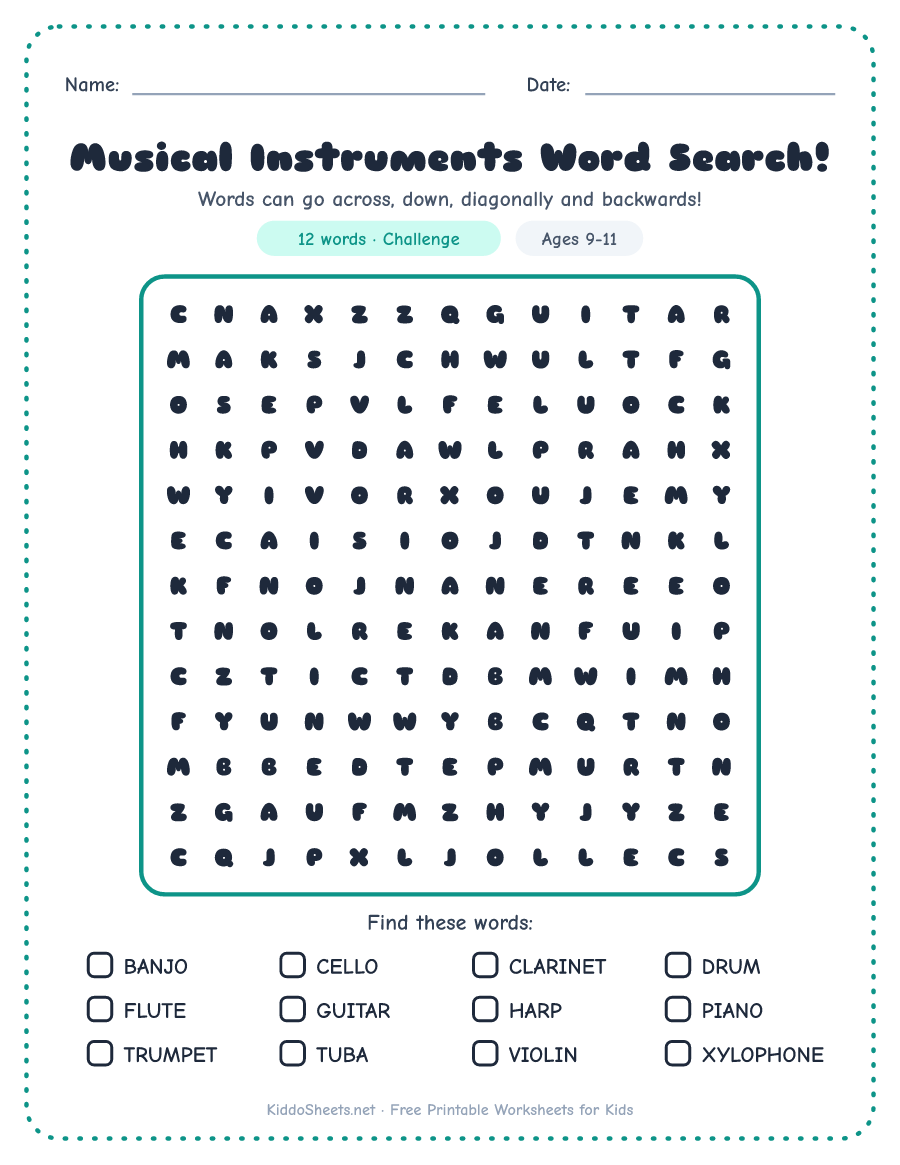
Coloring Pages and Coloring Worksheets
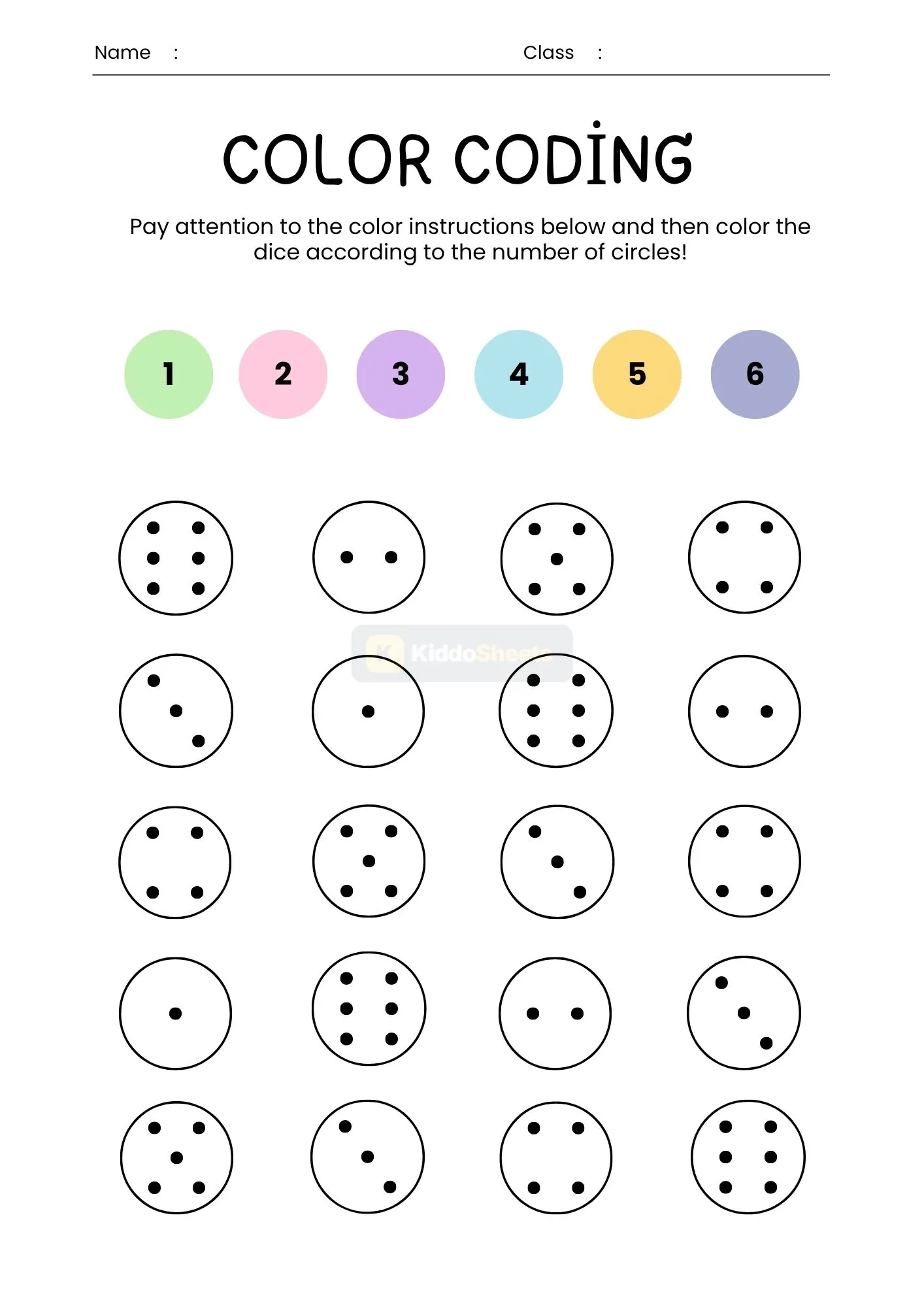
Coloring is far more than a way to keep kids busy. Staying inside lines, choosing colors and pressing lightly or firmly all train the small hand muscles and the patience that handwriting needs later.
Maze Worksheets
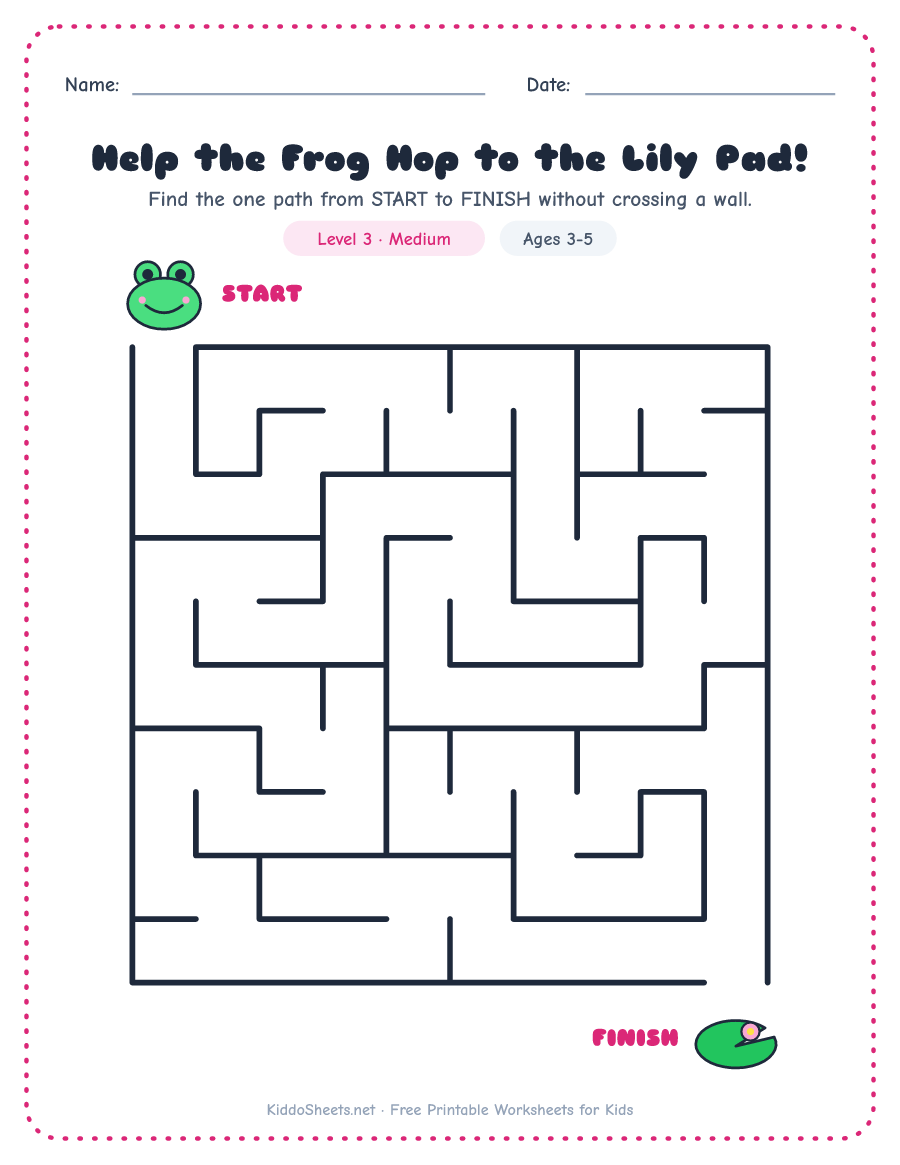
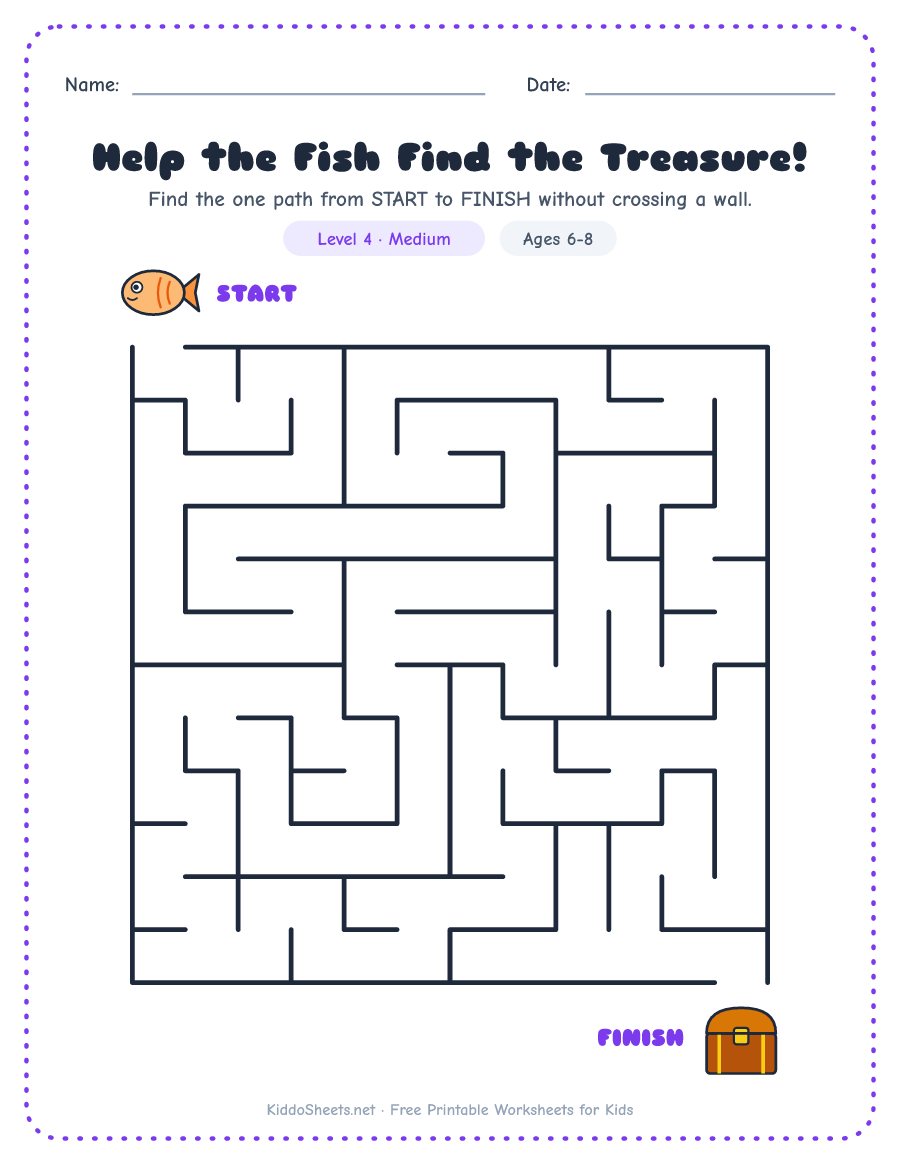
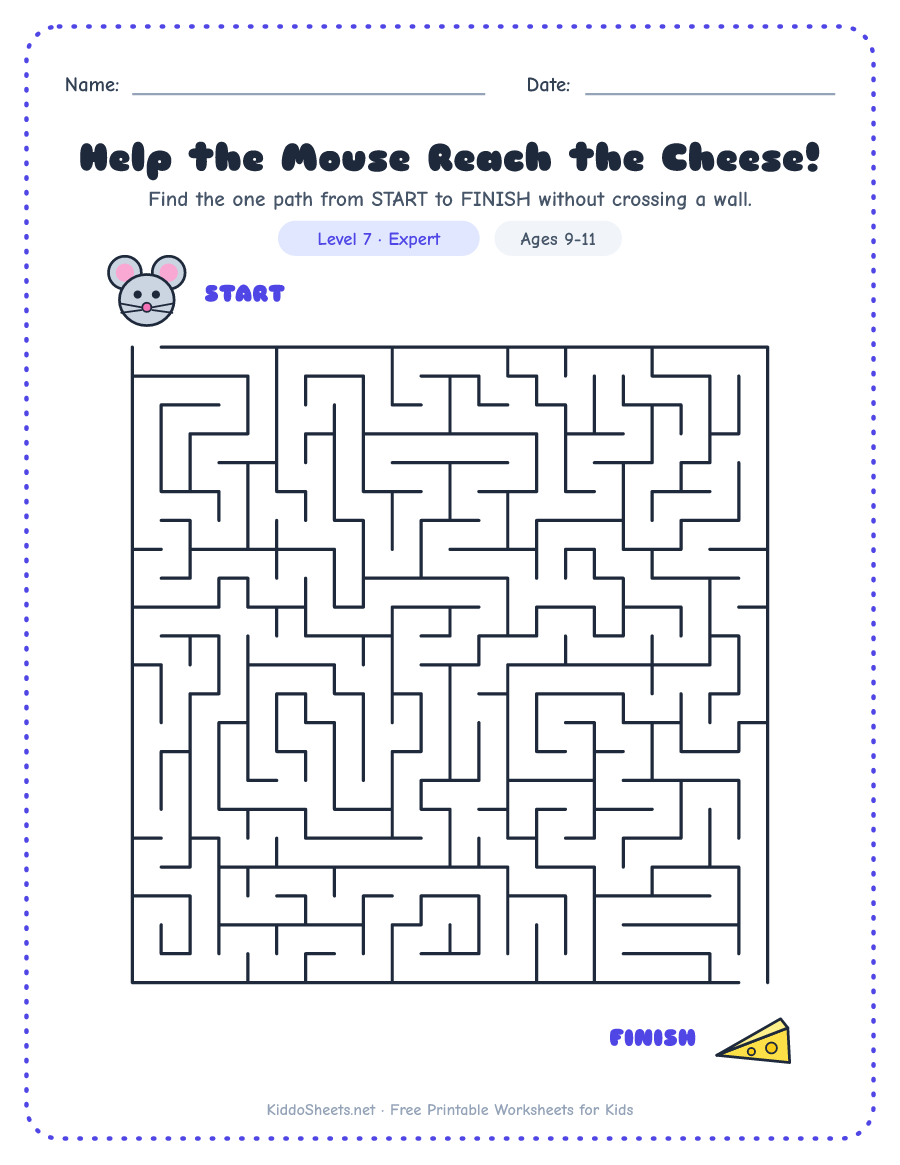
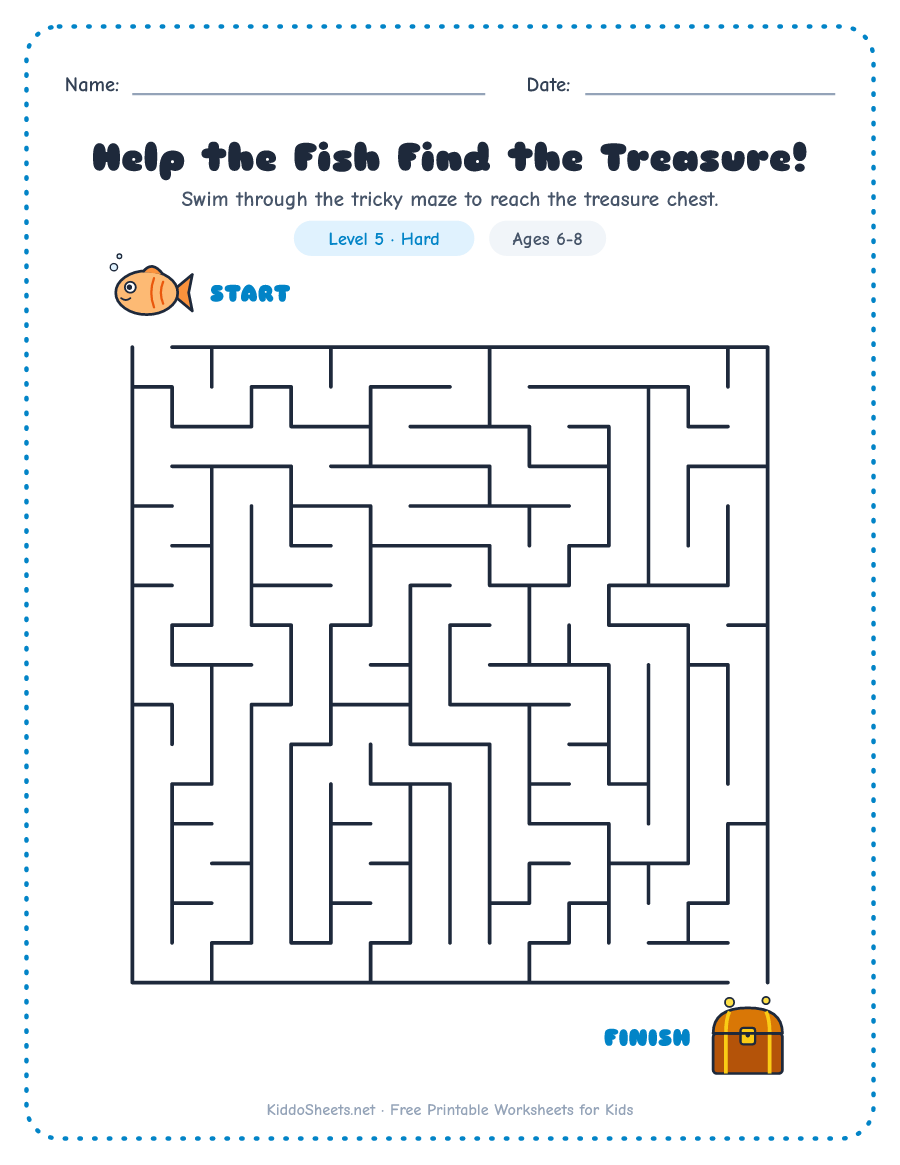
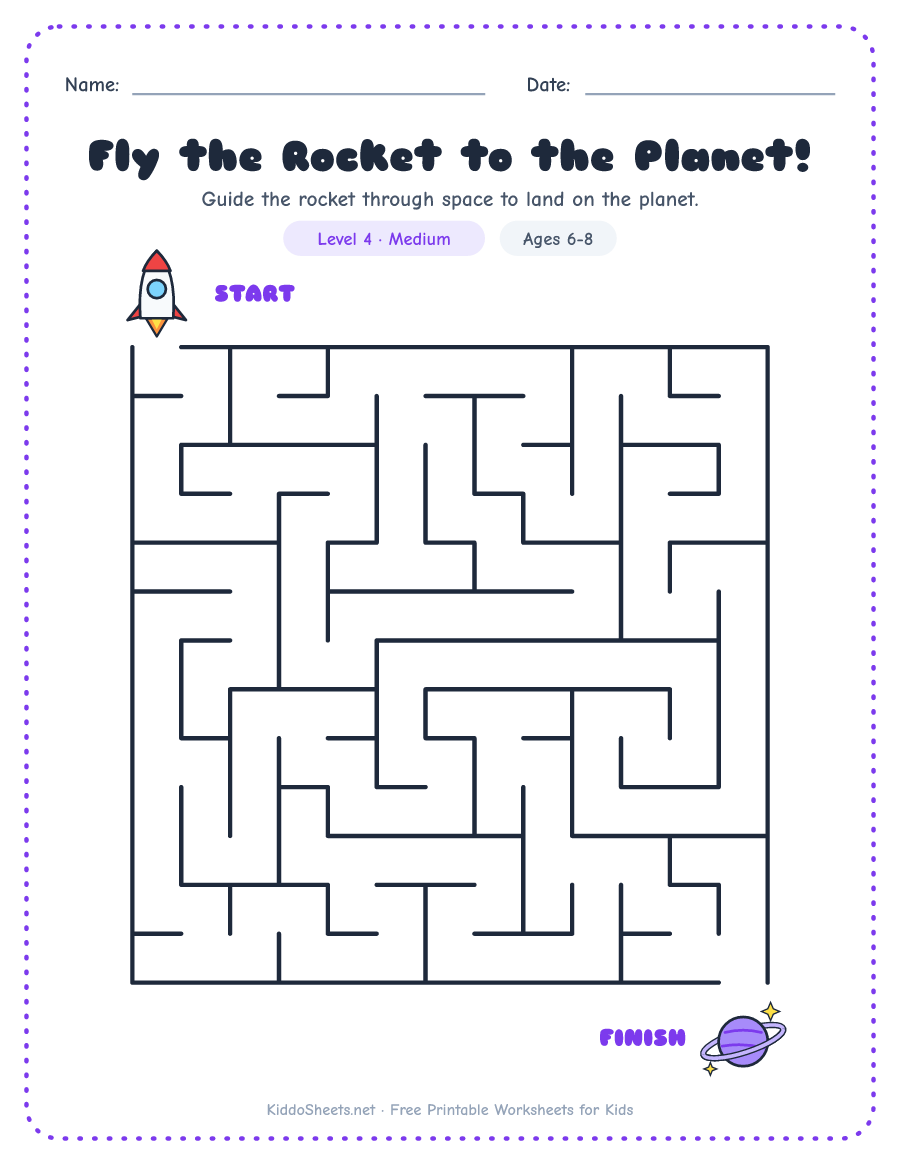
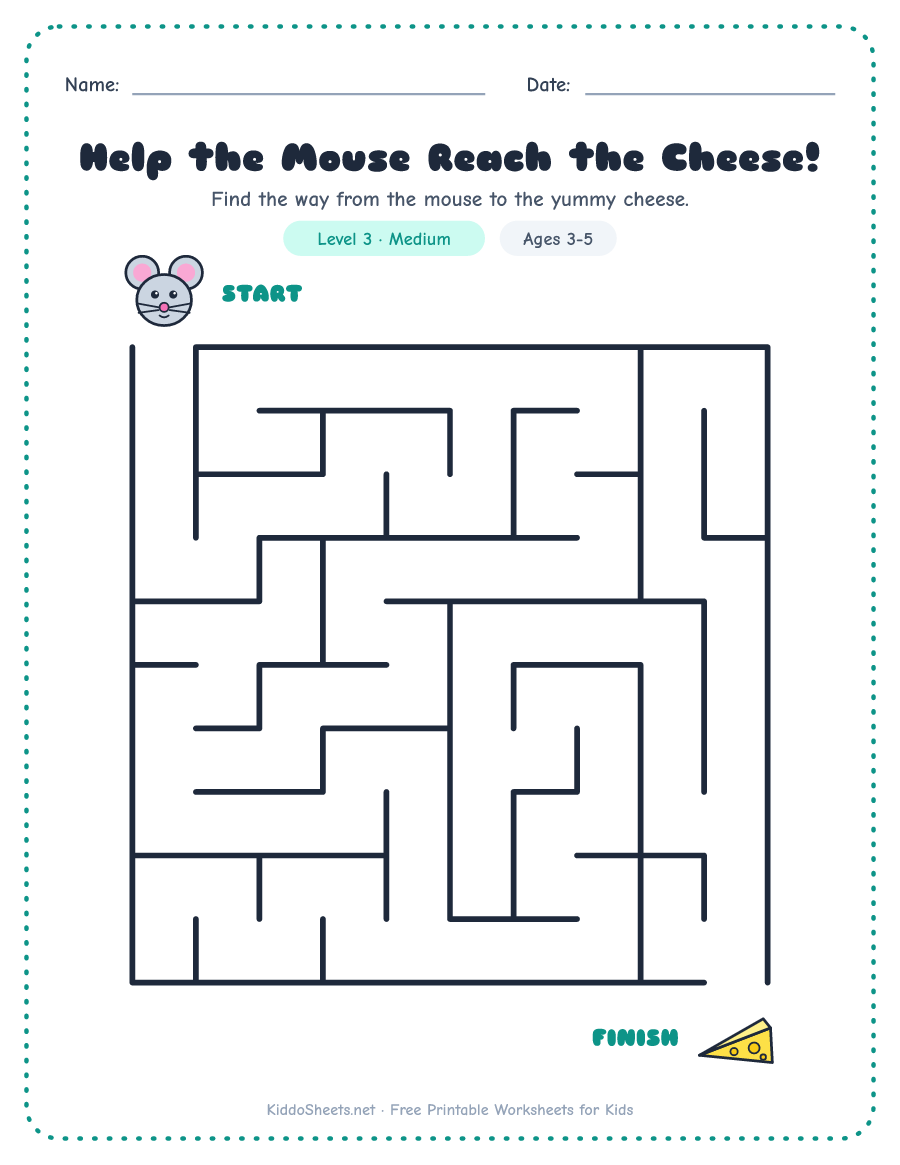
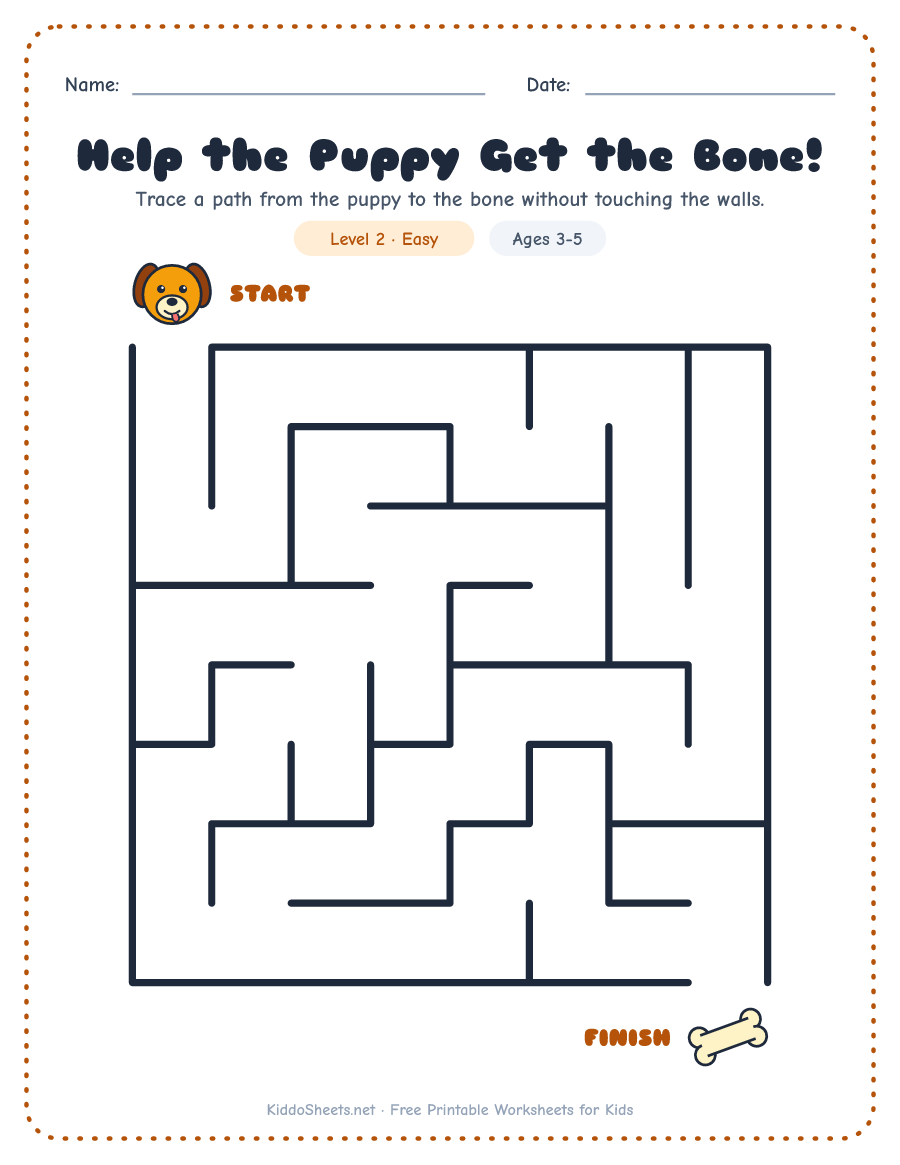
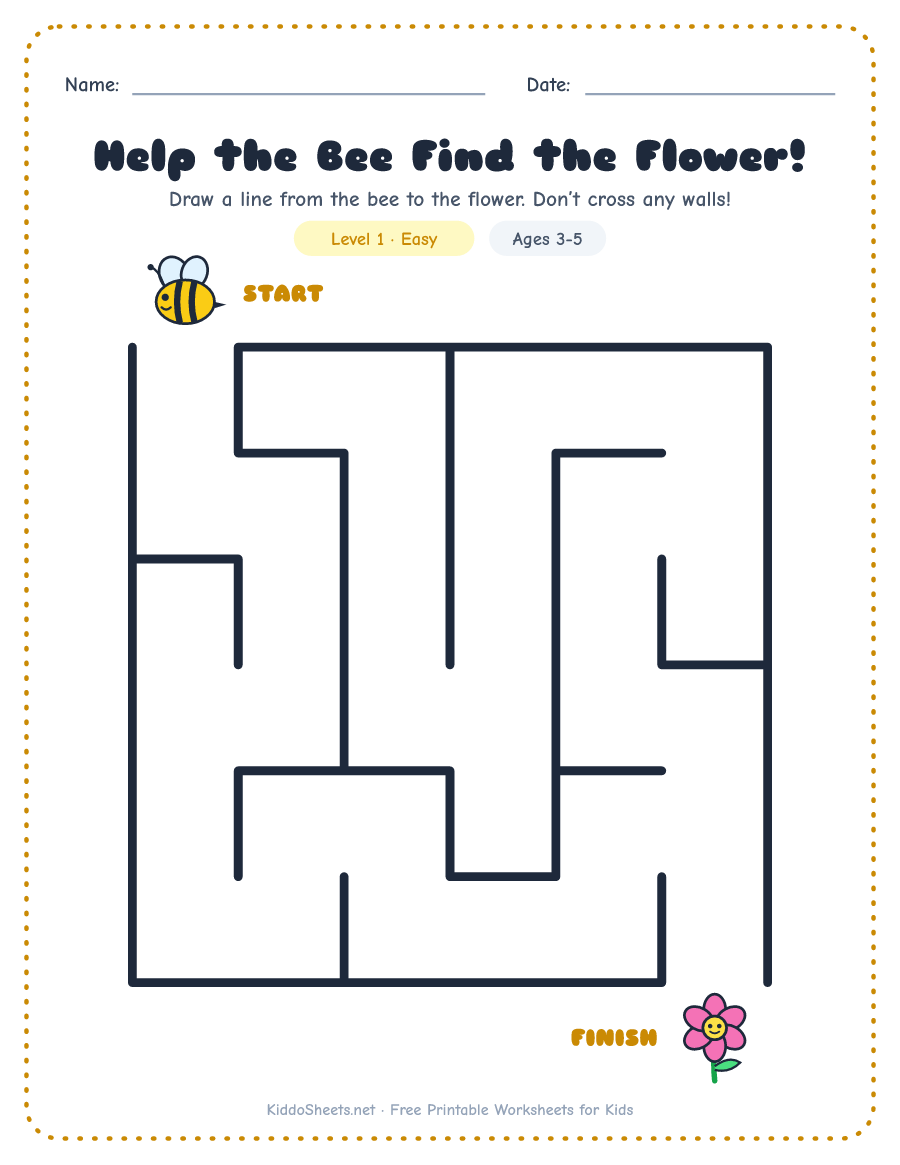
Mazes build pencil control, visual tracking and planning in a way kids genuinely enjoy. Every dead end is a small, safe lesson in trying again.
Shape Worksheets
Before children can draw letters, they learn to see and make simple shapes: circles, squares, triangles and rectangles. Shape work also builds the geometry vocabulary (sides, corners, curved, straight) that children use when describing the world.
Color Recognition Worksheets
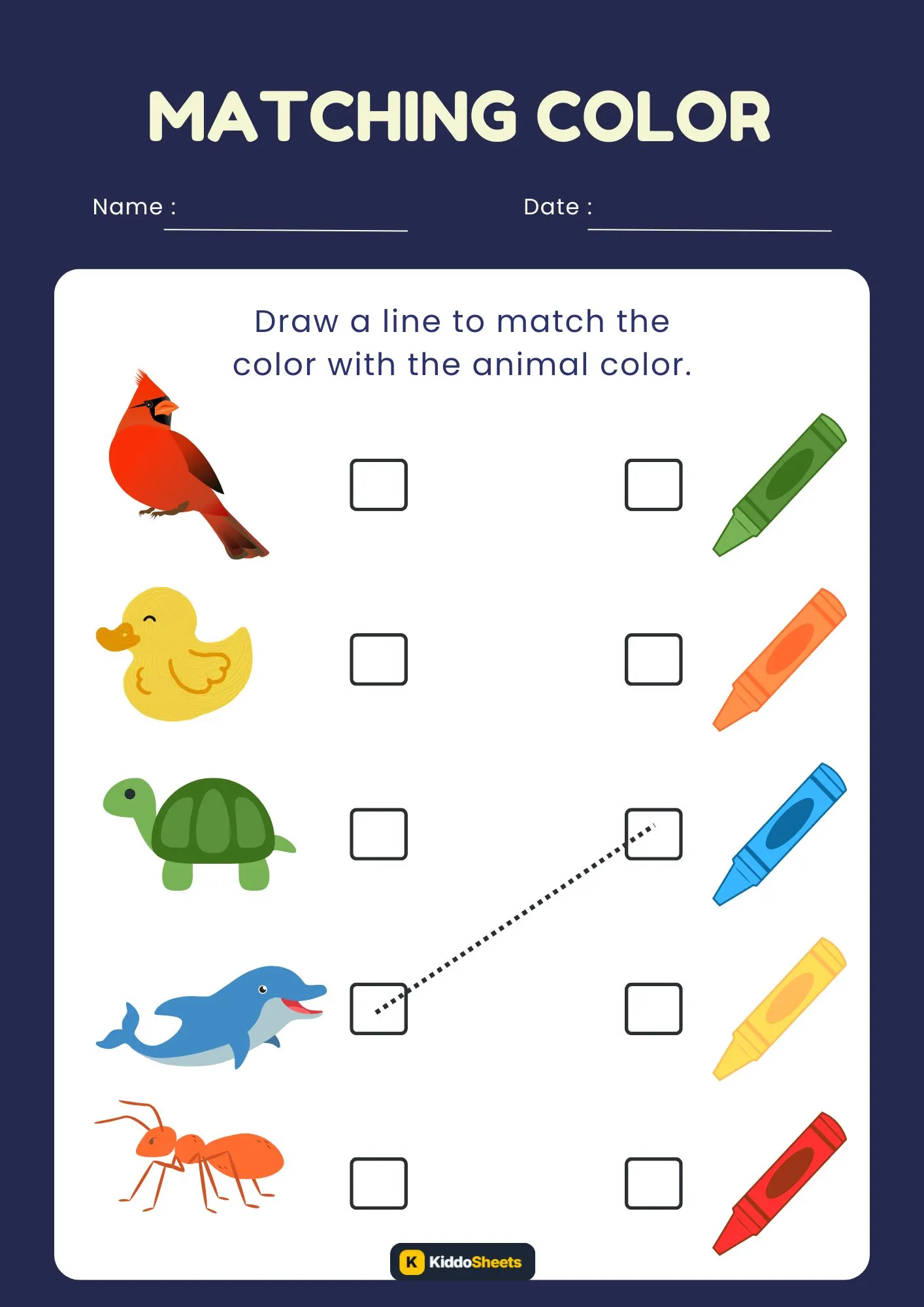
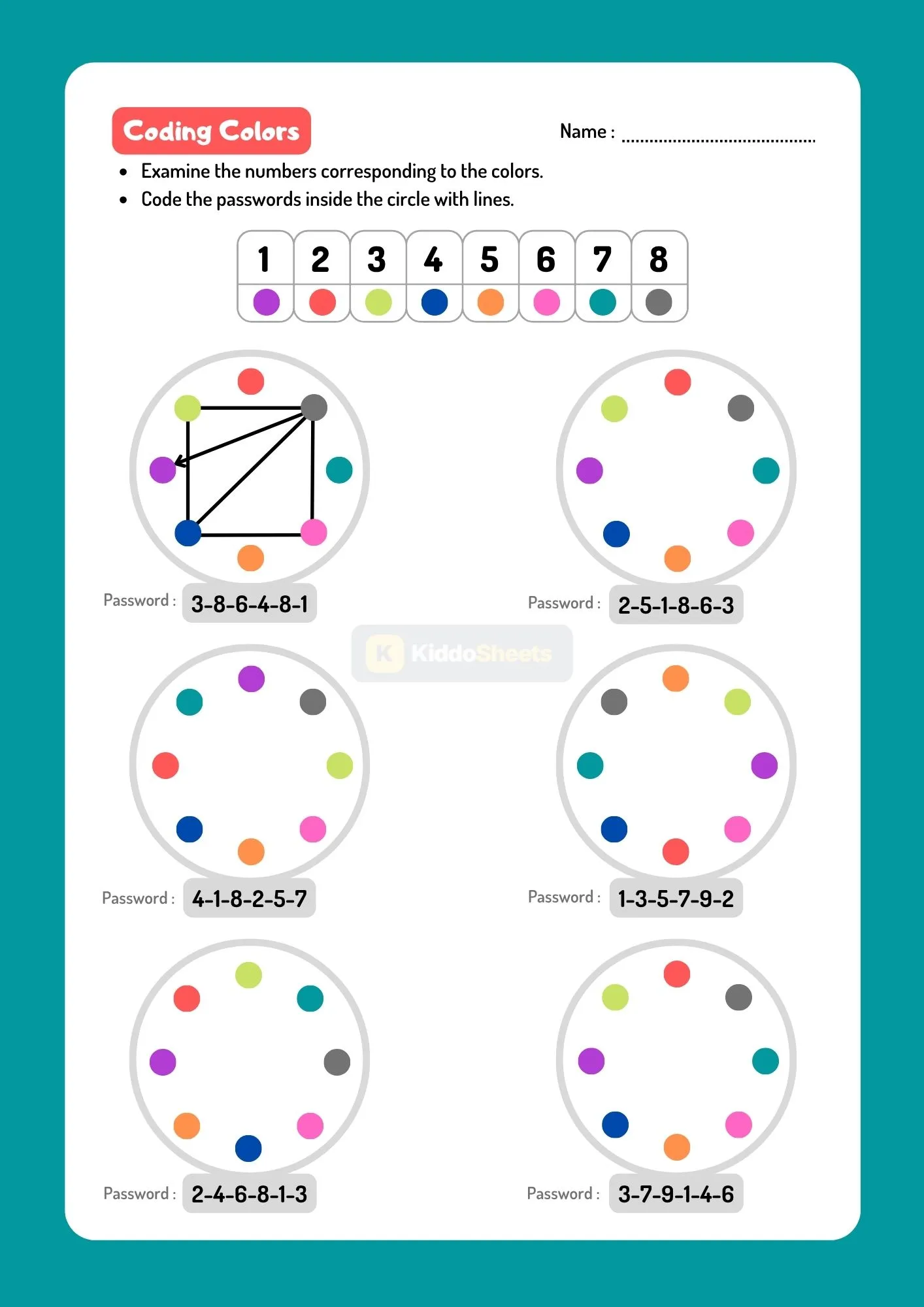
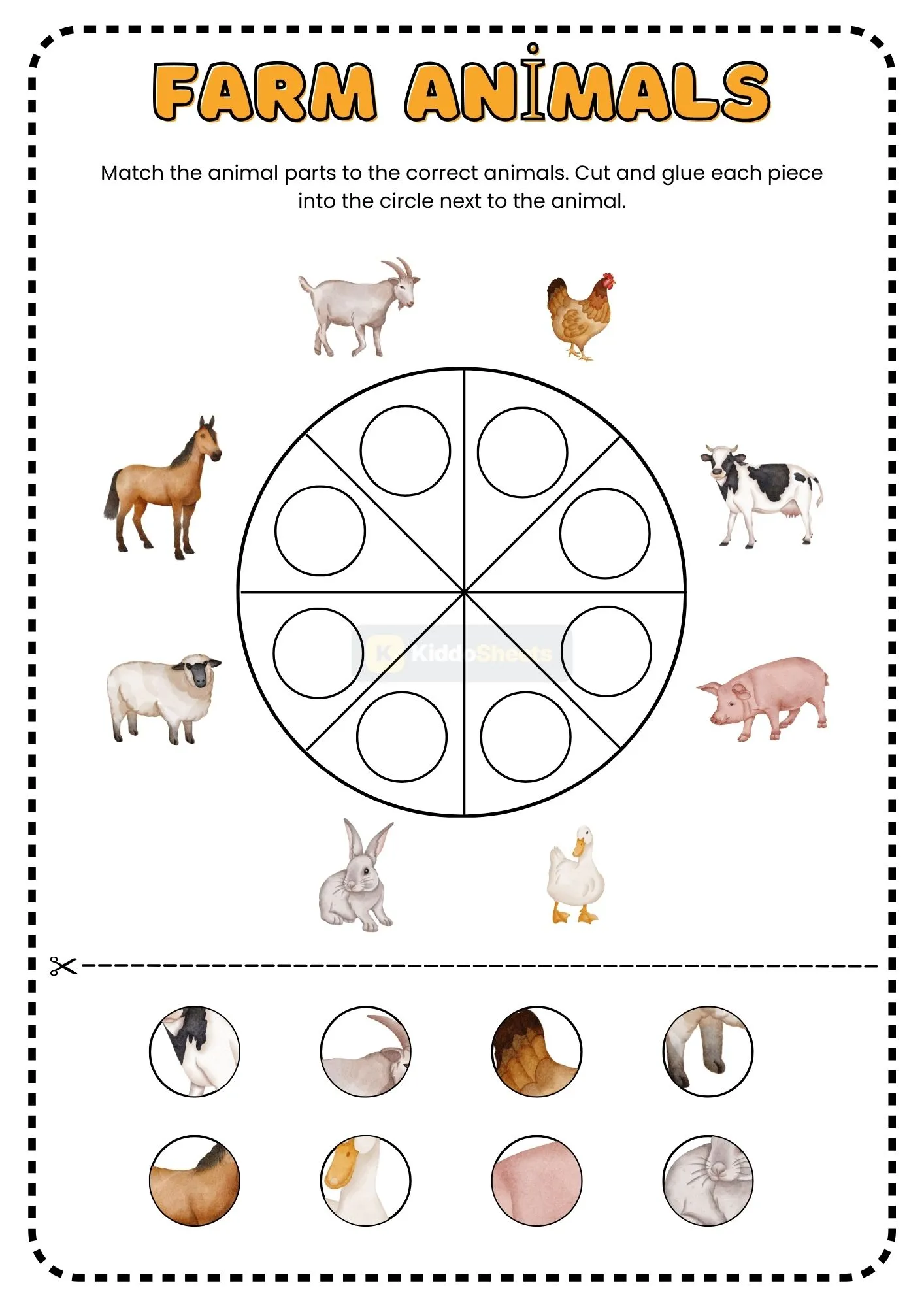
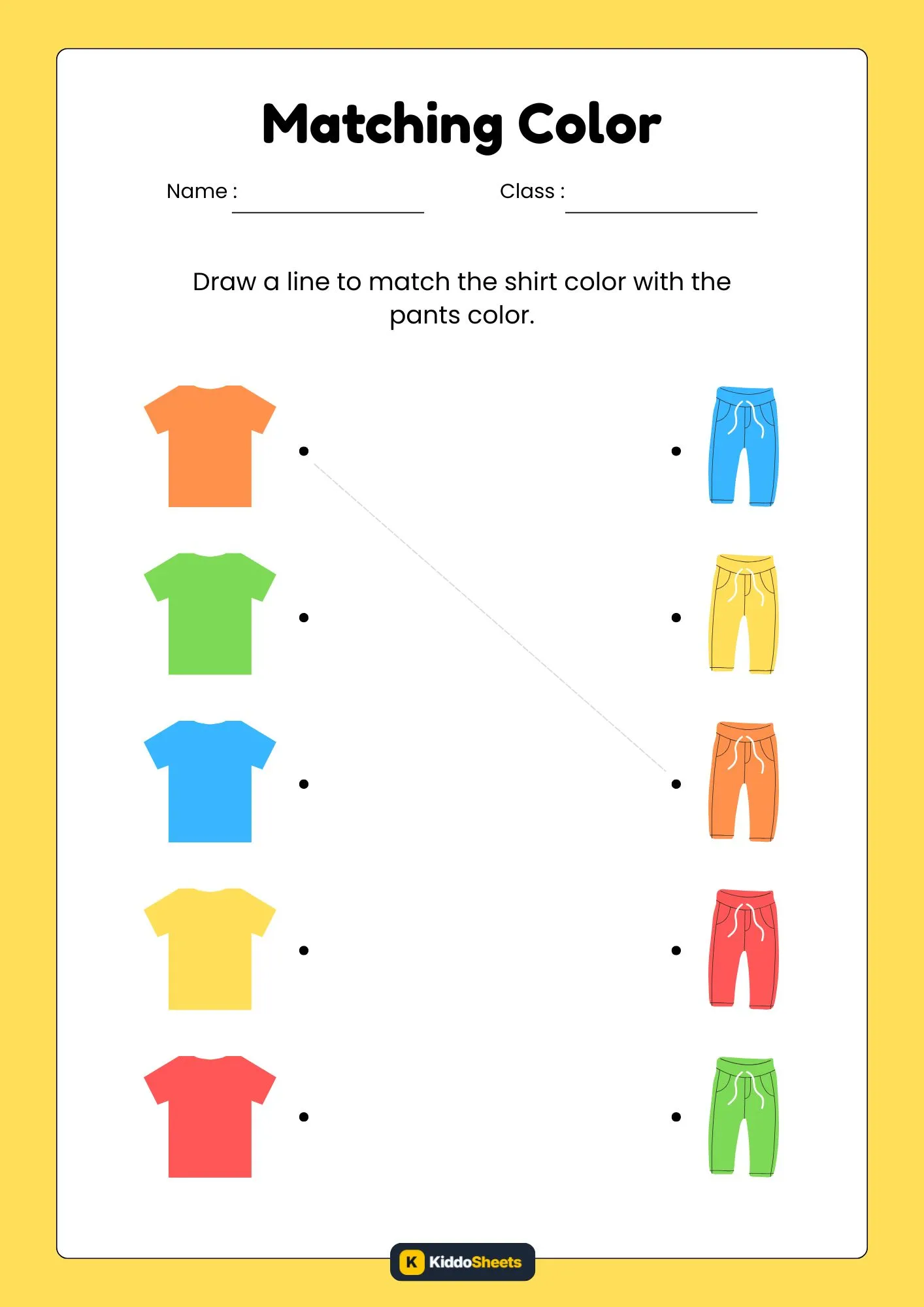
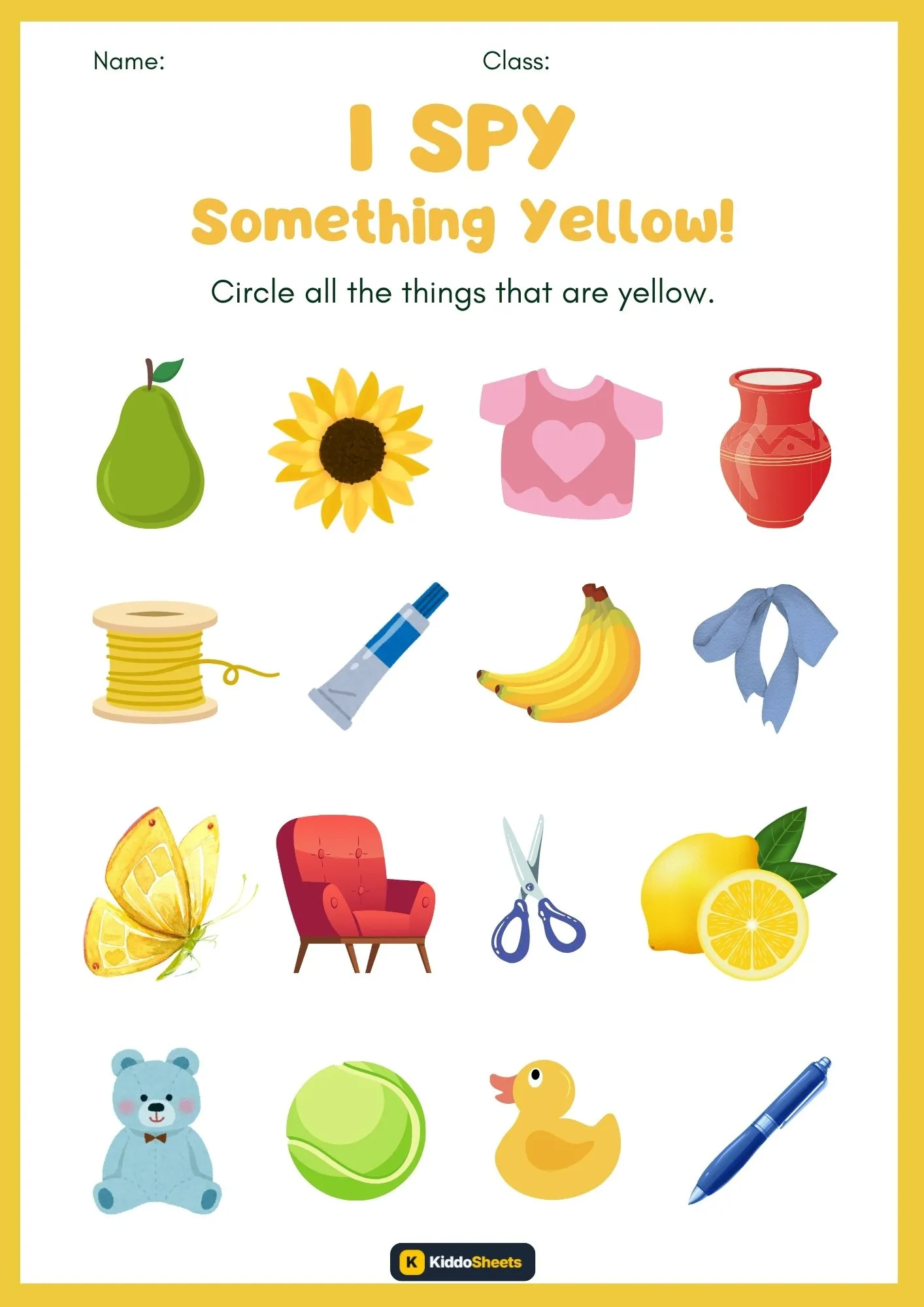
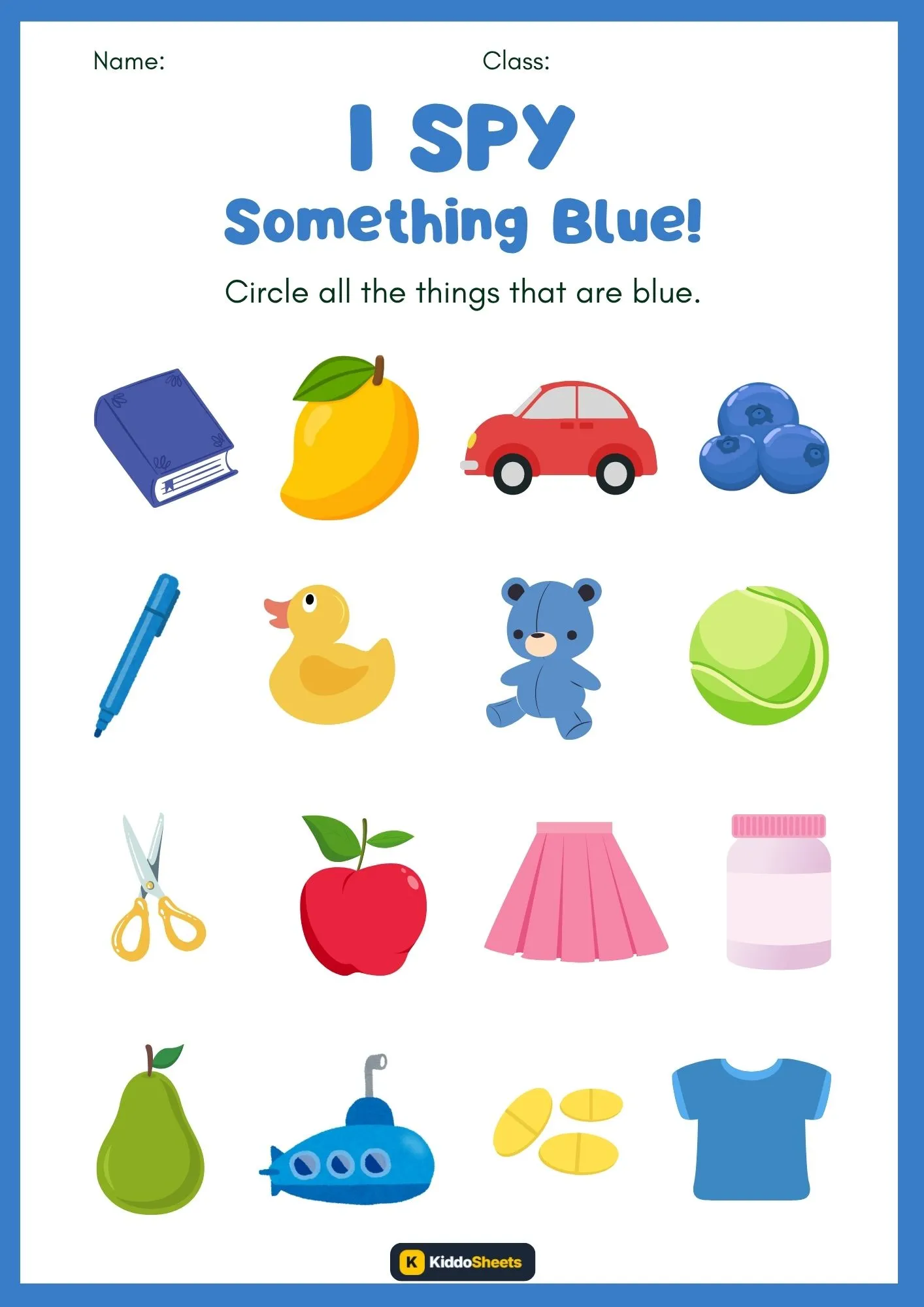
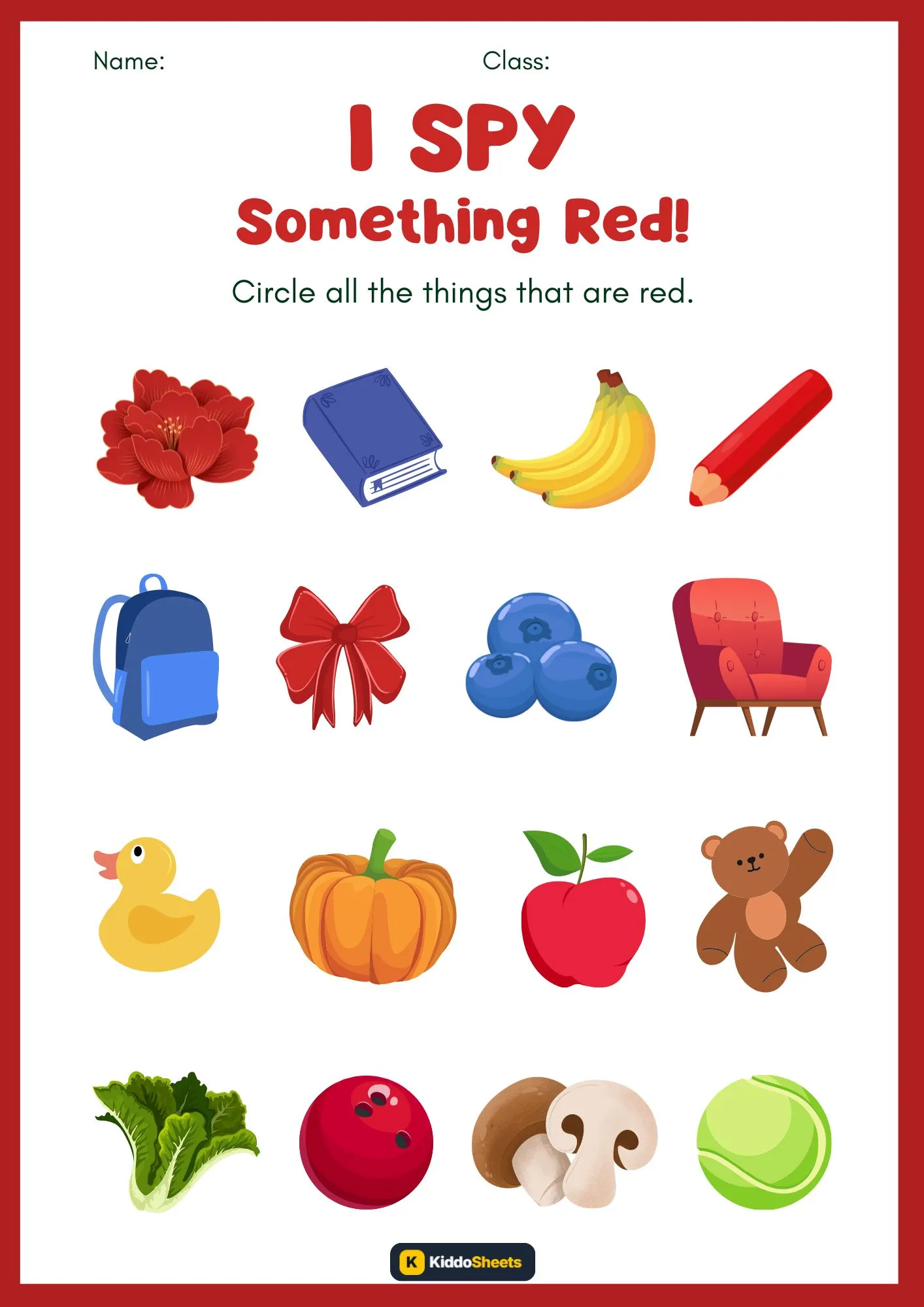
Color names are some of the first describing words children learn, and they are a great way to practice careful looking. Activities like "I spy something red" ask children to scan a busy page and pick out what matches.
Dot to Dot and Matching Worksheets
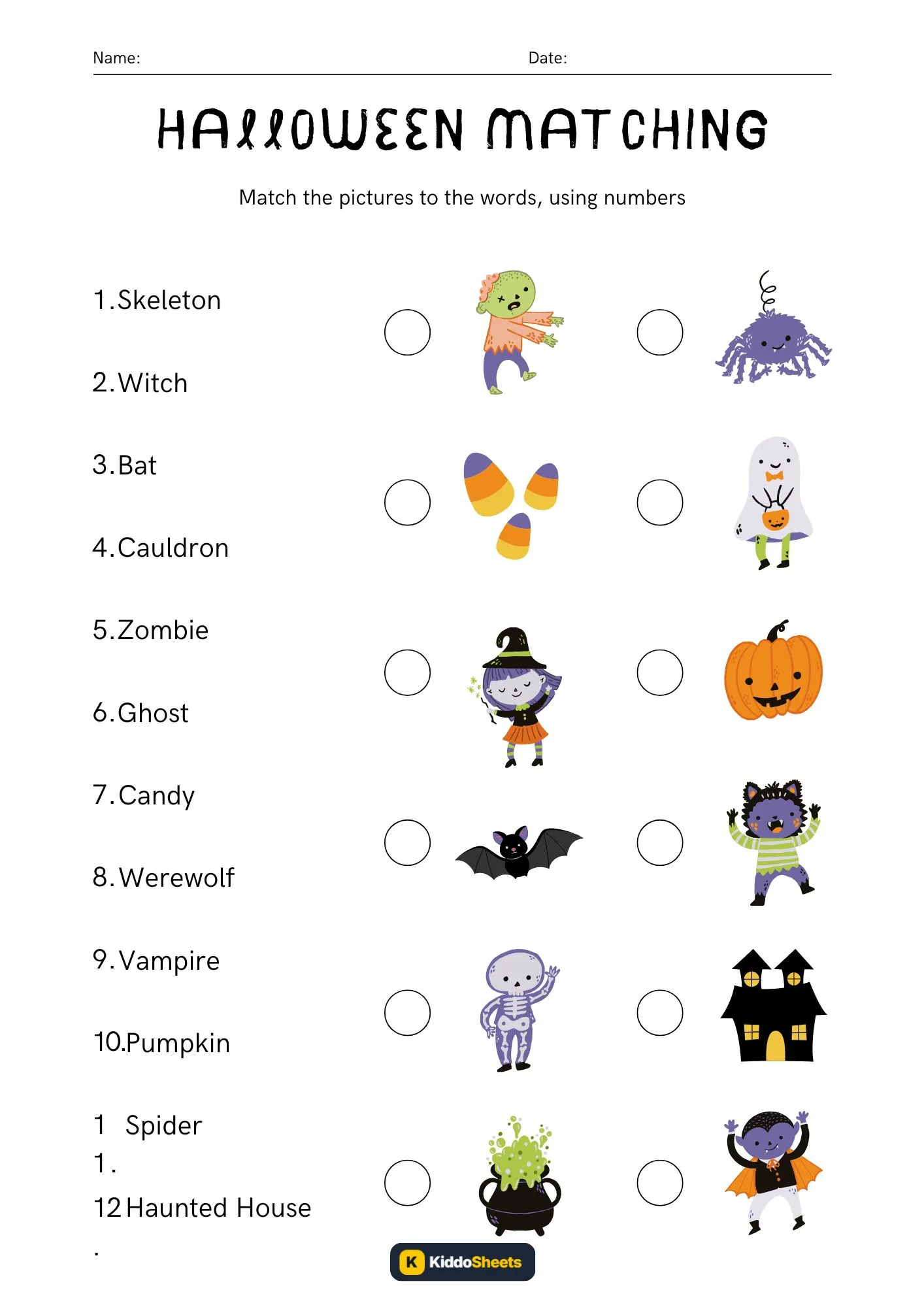
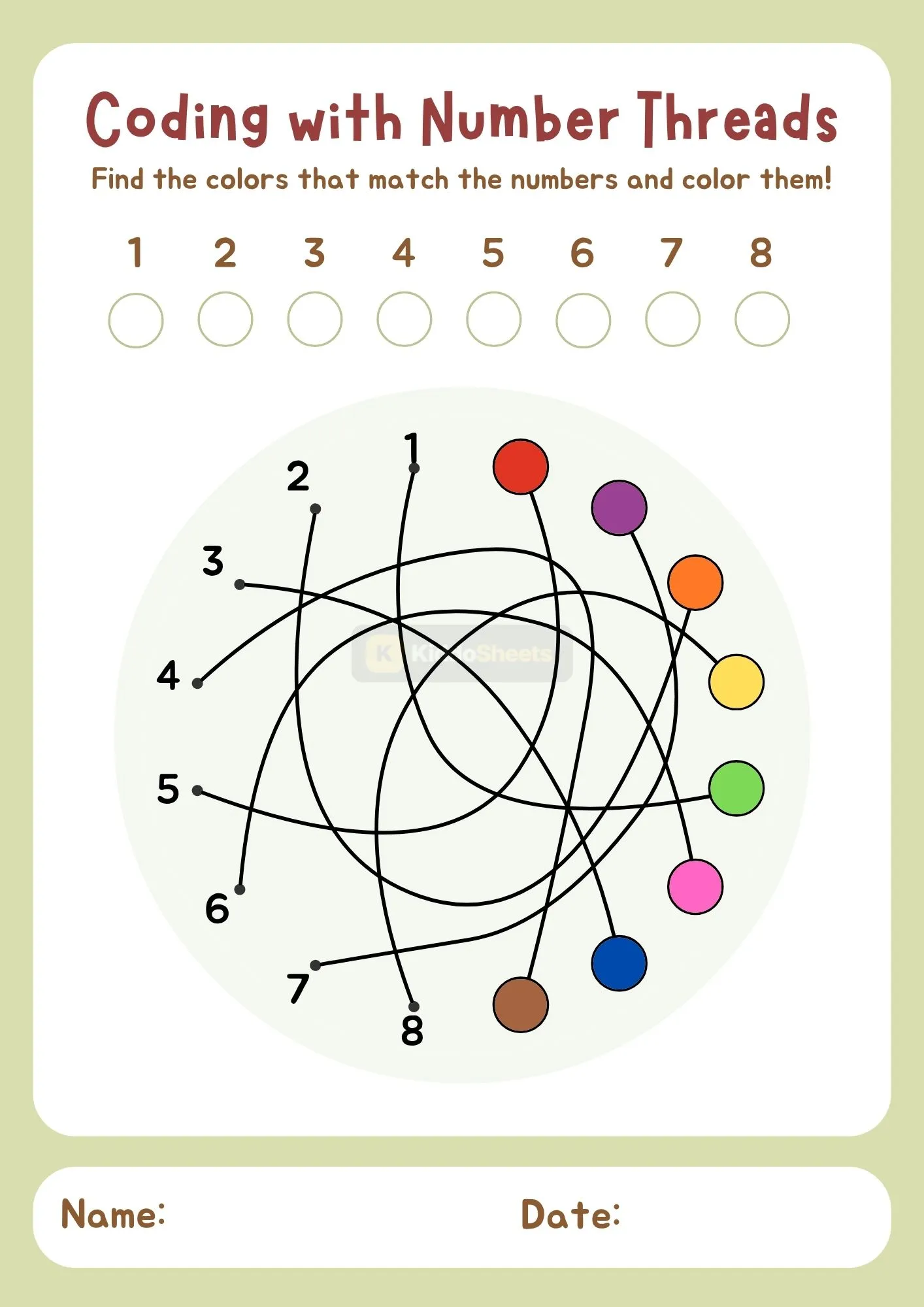
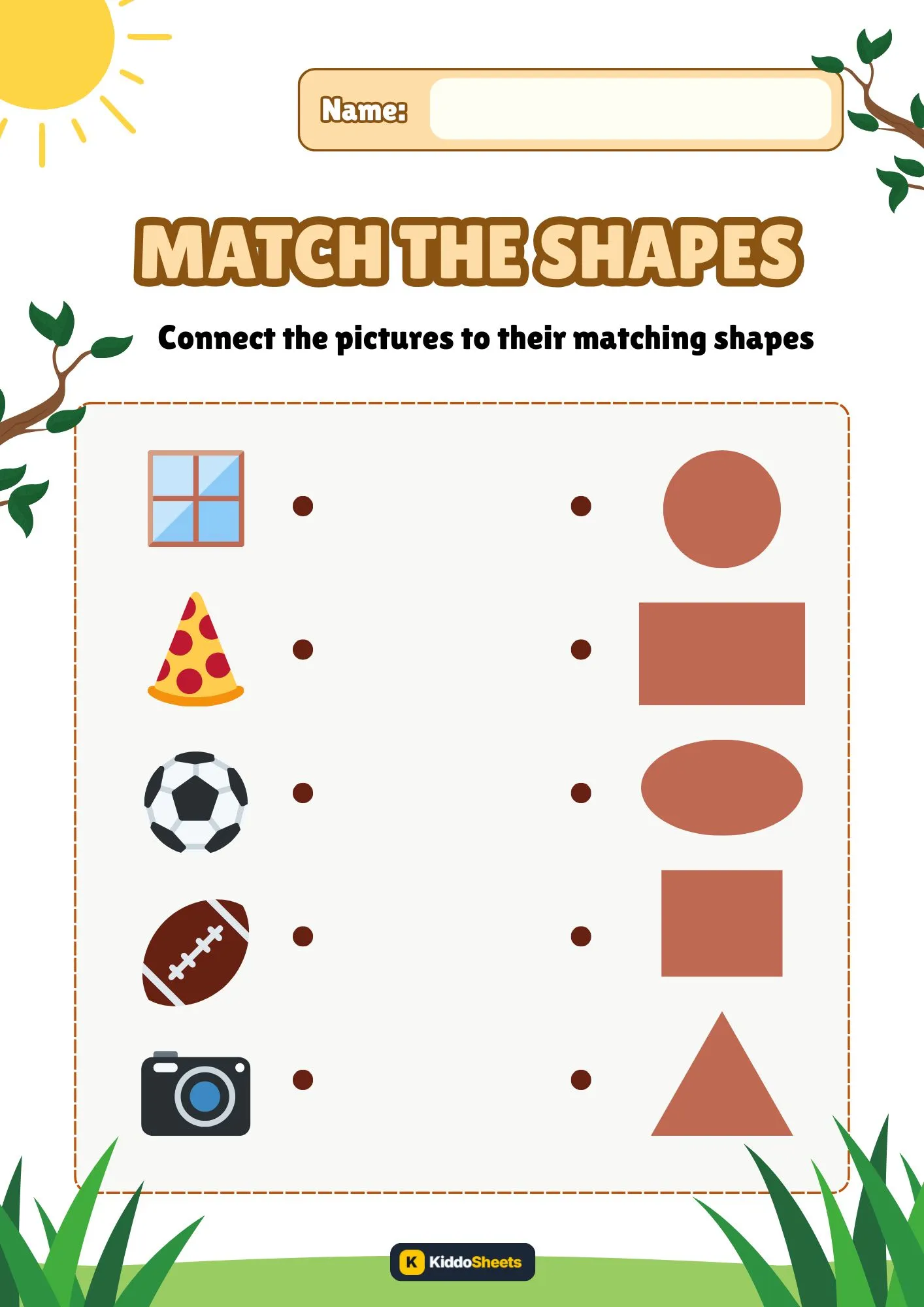
Dot to dot and line-matching activities ask children to draw a line with a purpose: from one picture to its match, or from point to point. That combination of thinking and controlled drawing makes them excellent pre-writing practice.