How to Build a Homework Routine That Works for Elementary Kids
Practical steps for creating a calm, consistent homework routine for elementary kids, including timing, workspace setup, breaks and how much to help.
For many families, the hour after school is the hardest part of the day. Kids are tired, hungry and ready to play. Parents are juggling dinner, siblings and their own work. Then the homework folder comes out, and everyone's patience starts to fray.
A good homework routine won't make every evening perfect, but it can remove a lot of the daily negotiation. When kids know what to expect, they spend less energy resisting and more energy actually working. Here's how to set one up.
Pick a consistent time
The single most helpful thing is doing homework at roughly the same time each day. It doesn't matter much whether that's right after a snack or after some playtime, as long as it's predictable.
Some things to think about:
- Right after school works for kids who like to get it over with, but many need a break first.
- After a short break of 20–30 minutes lets kids eat and move before settling in.
- Before dinner keeps evenings free, while after dinner can work for families who get home late.
Try one option for a couple of weeks before deciding it doesn't work. Routines take time to settle.
Create a homework spot
Kids focus better when they have a consistent place to work. It doesn't need to be a desk. A corner of the kitchen table works fine if it's set up the same way every day.
What helps:
- Good lighting
- A flat surface with enough room for a worksheet and a book
- Basic supplies within reach: pencils, eraser, crayons, ruler, scissors and glue
- As few distractions as possible, especially screens and noisy toys
Some families keep supplies in a small box or caddy so they can be carried to the table and put away afterward.
Start with a snack and a plan
Hungry kids struggle to concentrate. A simple snack before starting can make a big difference.
Then take a minute to look at what needs to be done. Ask your child to tell you what's in their folder and which task they want to tackle first. Letting them choose the order gives them a sense of control. Some kids like to start with the easiest task to build momentum; others prefer to get the hardest one out of the way.
Break it into chunks
Young children can't focus for long stretches, and that's normal. Breaking homework into short pieces with tiny breaks in between helps a lot.
A simple approach:
- Work on one task until it's done or until a short timer goes off.
- Take a quick movement break: stretch, get water, do ten jumping jacks.
- Come back for the next task.
For first and second graders, 10–15 minutes of focused work at a time is often enough. Older elementary kids can usually stretch a bit longer.
How much should you help?
This is the question many parents wrestle with. The goal is to support, not to do the work for them.
| Helpful | Less helpful |
|---|---|
| Reading directions aloud together | Doing problems for your child |
| Asking "What do you think comes next?" | Correcting every mistake immediately |
| Pointing to a similar example | Hovering over every step |
| Checking in after each task | Sitting silently and getting frustrated |
If your child is stuck, ask guiding questions first. If they're still stuck, it's okay to show one example and let them try the next one alone. If homework regularly takes far longer than expected or brings tears every night, it's worth a calm conversation with the teacher.
Use extra practice wisely
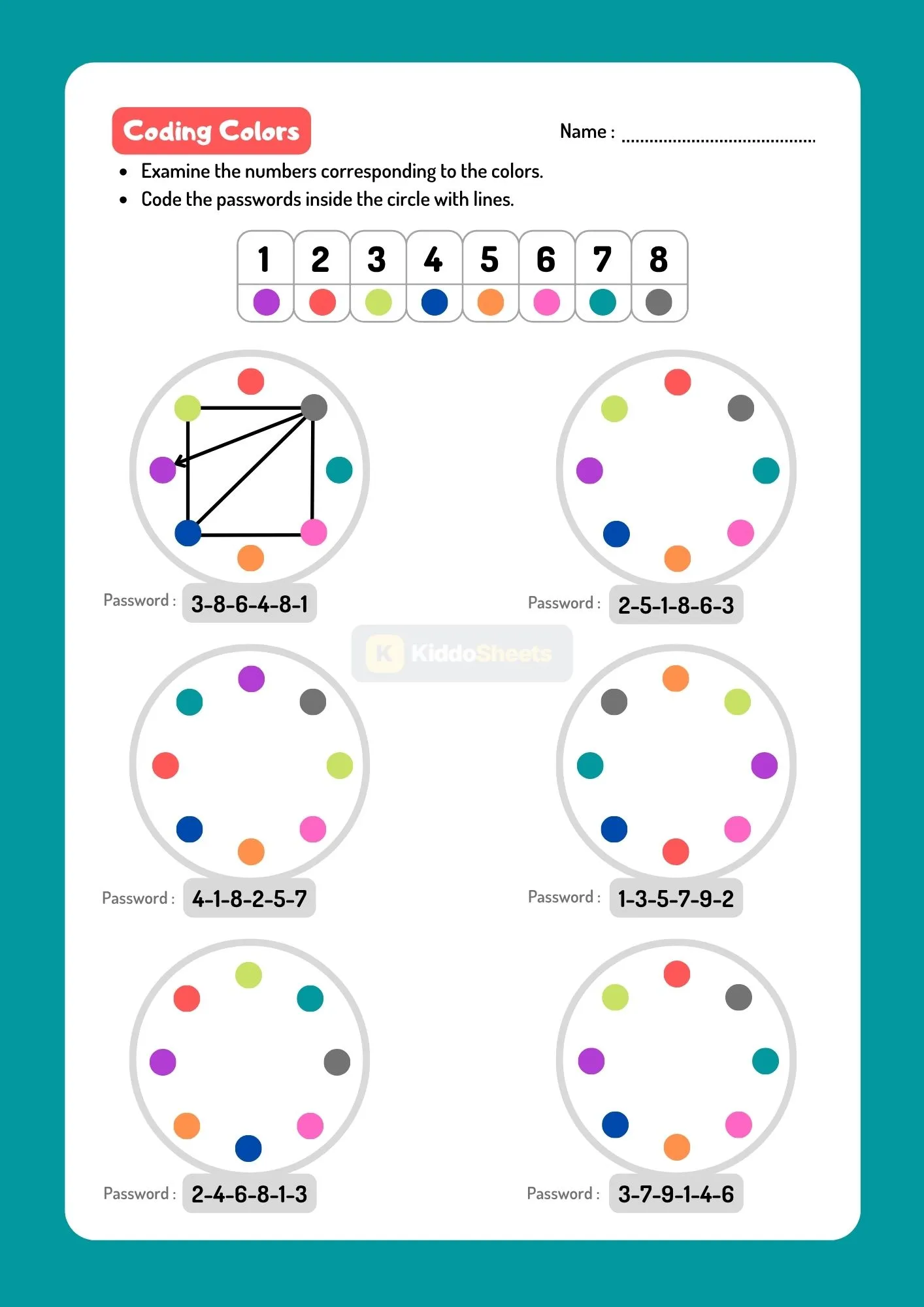
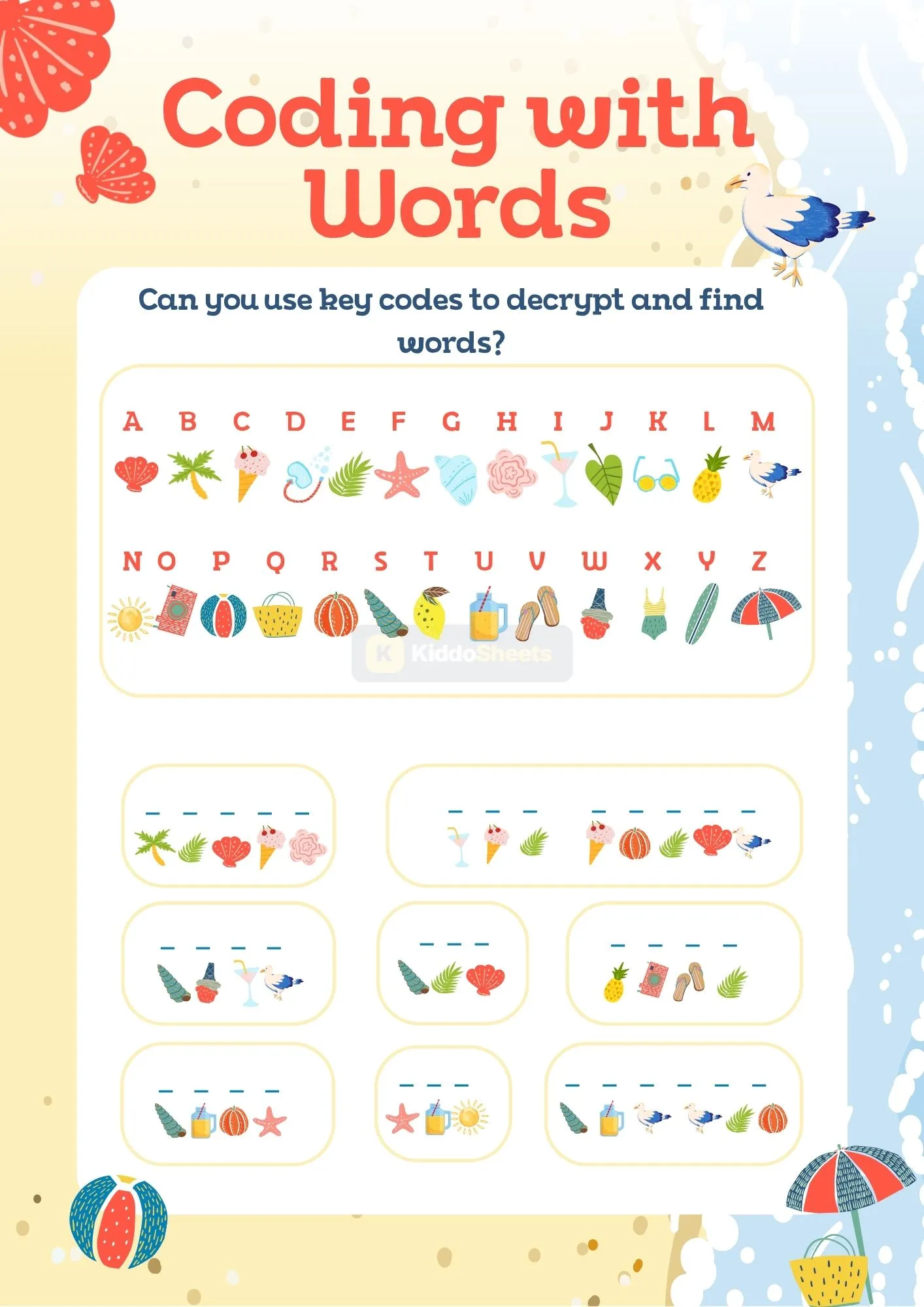
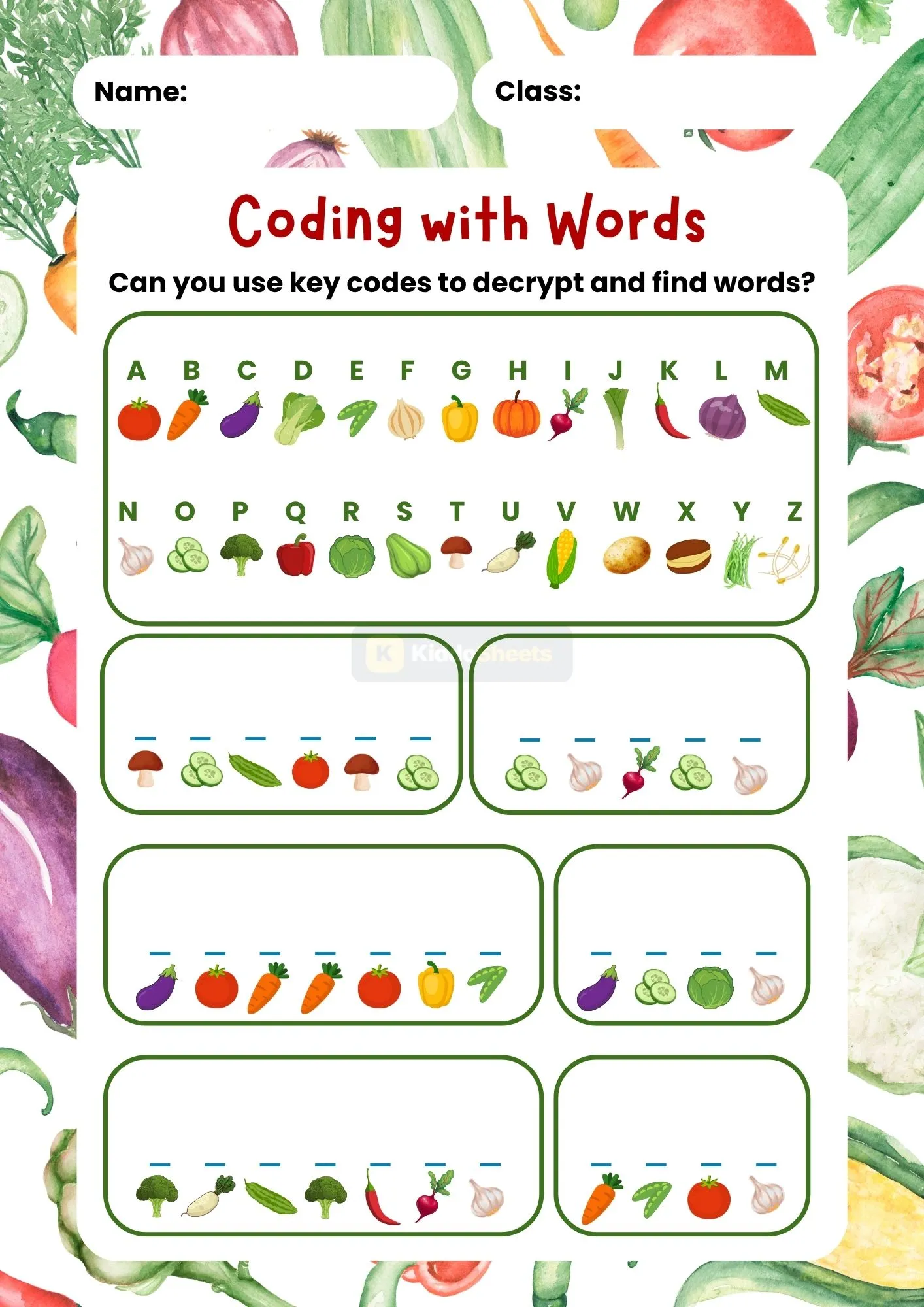
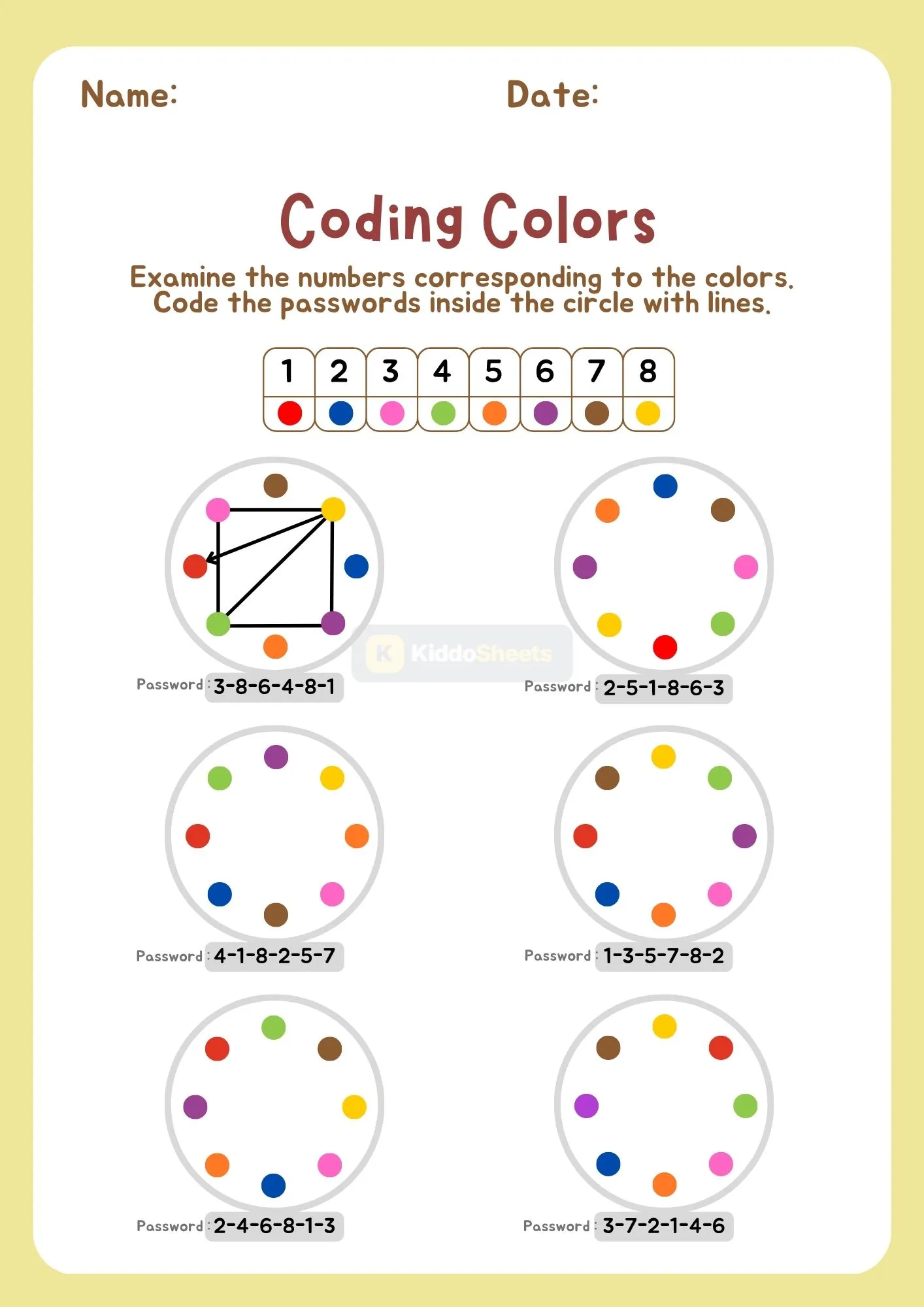
Some kids benefit from a little extra practice on a skill they're working on, especially in math or spelling. Keep it short and optional, and never pile it on after a long night of assigned homework.
Short printables work well for this. For example, the Two-Digit Subtraction Without Regrouping Worksheet is a focused page of practice, and the Telling Time: Quarter Past and Quarter To Worksheet is handy when clocks are the current topic in class. On lighter days, a puzzle like the Colors Word Search Worksheet keeps spelling skills active while feeling more like a game.
You can find more options in the Maths worksheet collection.
Handle frustration calmly
Some evenings, things will fall apart. A worksheet feels impossible, a pencil breaks, tears start. A few strategies that help:
- Pause. A short break and a glass of water can reset the mood.
- Name the feeling. "This one is frustrating, isn't it?" helps kids feel understood.
- Shrink the task. "Let's just do the first two problems, then check in."
- Praise effort. Notice when your child keeps trying, not just when they get it right.
If your child tends to give up quickly, our post on helping kids who give up easily has more ideas.
Finish with a clear ending
End each homework session the same way: check that everything is done, put papers back in the folder and put the folder in the backpack. This small ritual prevents the morning scramble and teaches organization.
Then move on to something enjoyable. Kids are more willing to start homework when they know there's free time right after.
Adjust as your child grows
What works in first grade won't necessarily work in fourth. As children get older, gradually give them more independence. Let them make their own plan, keep track of due dates and check their own work before asking you to look.
Revisit the routine every few months, or whenever something changes, like a new activity or a new school year. Ask your child what's working and what isn't. Kids often have good ideas about what helps them focus.
The bottom line
A good homework routine is predictable, short and calm. Choose a consistent time and place, start with a snack and a plan, break work into small chunks and offer support without taking over. Keep extra practice light and optional, and end each session with a clear finish. Over time, these habits help kids become more independent learners.