Early Finisher Activities: What to Give Students Who Finish First
Meaningful early finisher activities for elementary classrooms and homeschools, from puzzle bins to challenge cards, plus tips for setting clear routines.
Every classroom has them: the students who finish their work while others are still on question three. Without a plan, early finishers start chatting, wandering or interrupting, and the teacher ends up managing behavior instead of helping the students who need it.
A good early finisher system solves that. It gives fast workers something worthwhile to do, keeps the room calm and runs mostly on its own. Here's how to set one up so it actually works.
First, check the work
Before anything else, make sure "finished" really means finished. Some students rush to get to the fun stuff. A quick self-check routine helps:
- Did I answer every question?
- Did I write my name and date?
- Did I check my answers once?
- Is my work neat enough for someone else to read?
Post these questions near the early finisher area. Students who skip the checklist go back to their work before choosing an activity.
What makes a good early finisher activity
Not every activity is a good fit. The best ones are:
- Independent. Students can do them without help.
- Quiet. They don't disturb classmates who are still working.
- Meaningful. They practice real skills, not just fill time.
- Easy to stop. Students can put them away quickly when the class moves on.
- Optional extras, not punishment. Finishing early shouldn't mean more of the same worksheet.
Set up a puzzle bin
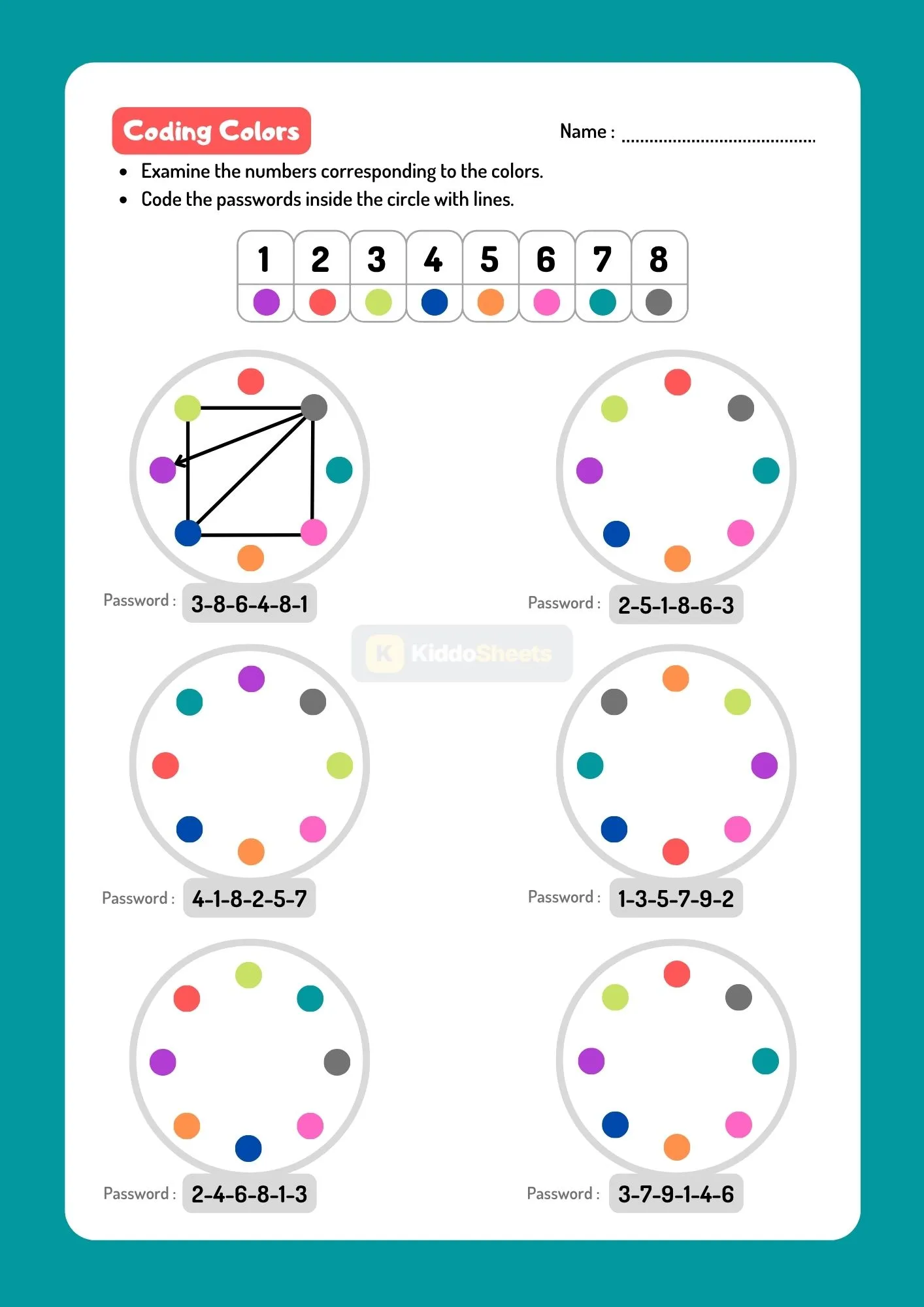
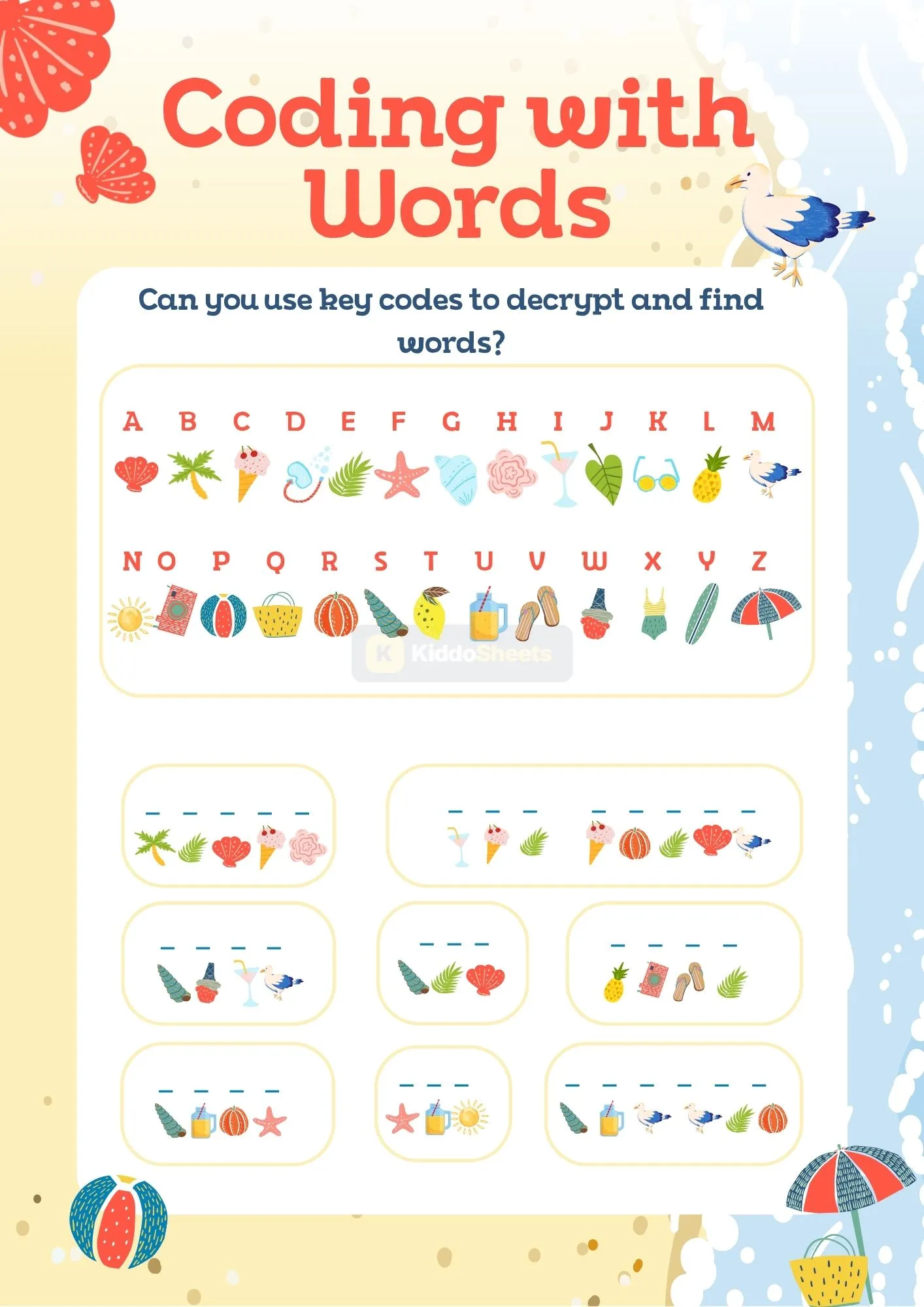
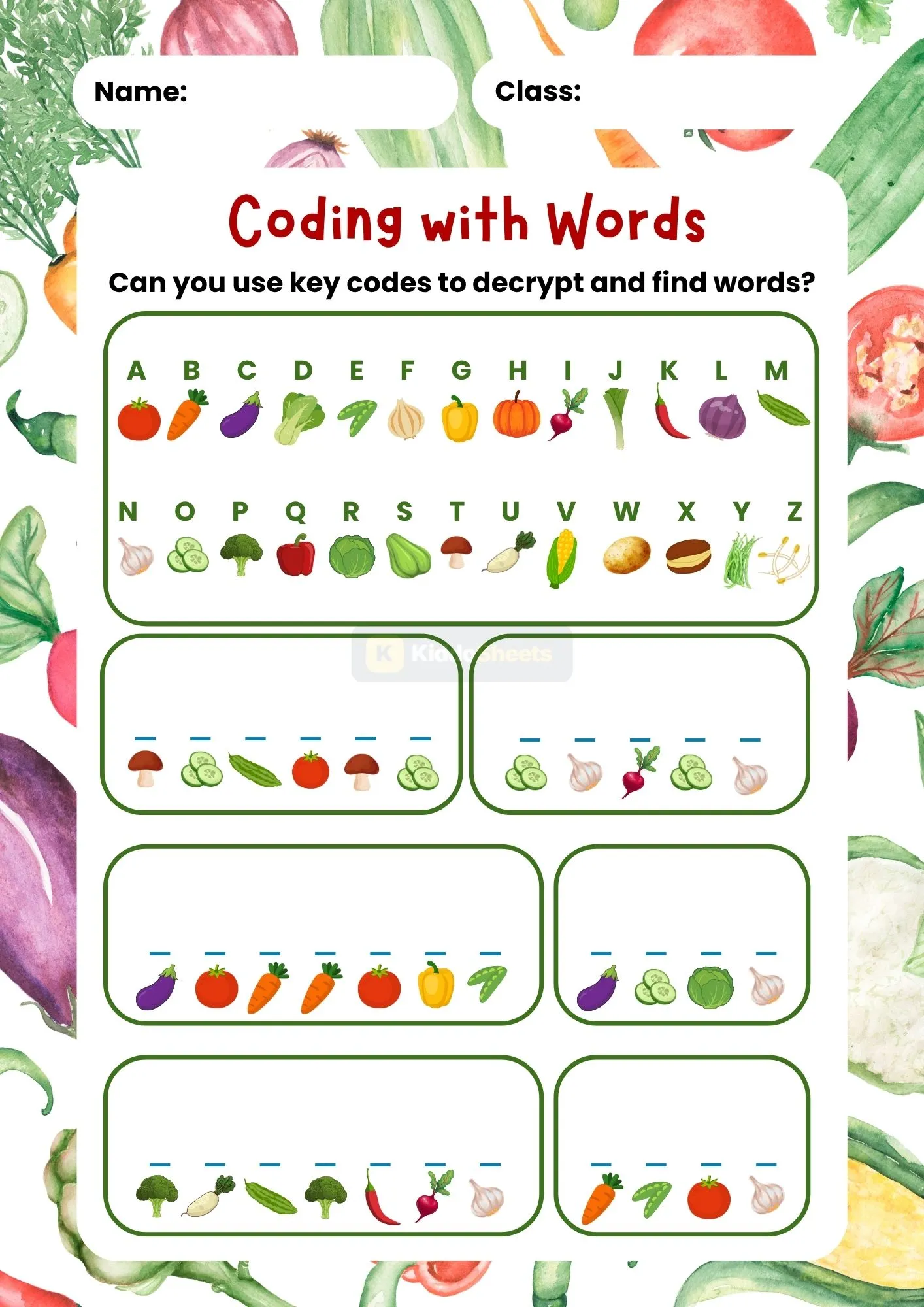
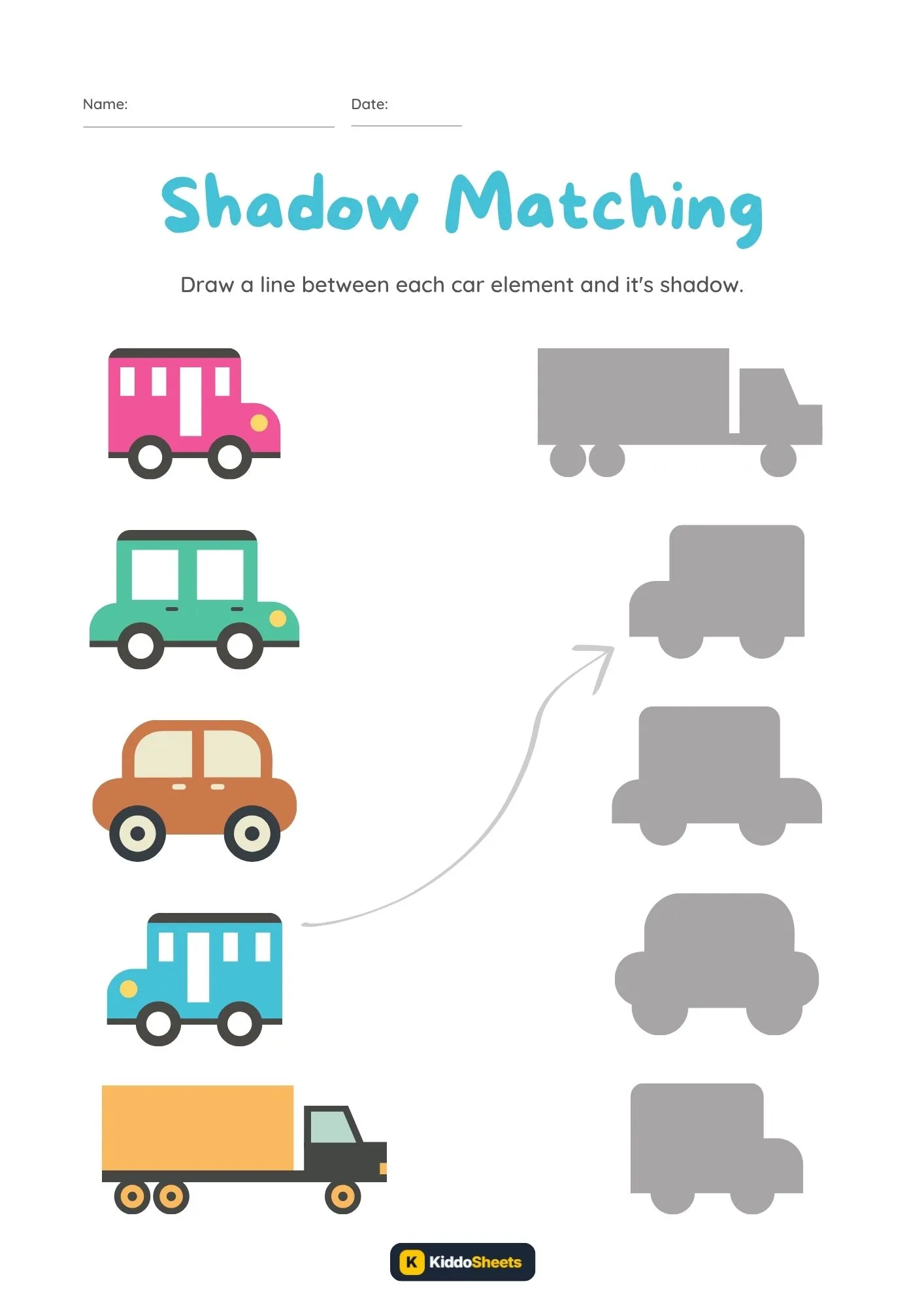
A puzzle bin is one of the simplest systems to manage. Fill a basket or folder with printable puzzles sorted by difficulty, and let students pick one when they're done.
Good options include:
- Sudoku. Logic puzzles keep students thinking. The 6x6 Sudoku Puzzles for Kids Worksheet is a nice step up from beginner grids.
- Number patterns. The Number Patterns Challenge Worksheet asks students to find the rule in each row, which works well for upper elementary.
- Word searches. The Musical Instruments Word Search Worksheet (Challenge) builds vocabulary and focus.
- Mazes. Harder mazes, like the Mouse and Cheese Maze Worksheet (Level 7), are surprisingly absorbing even for older kids.
Restock the bin every couple of weeks so it stays interesting. Our guide to setting up a puzzle center covers storage and rotation in more detail, and the Patterns worksheet collection is an easy place to find fresh pages.
Challenge cards
Challenge cards are small task cards with a short problem or prompt. Store them in a box or on a ring, and number them so students can track which ones they've completed.
Ideas for cards:
- "Write five words that rhyme with cat."
- "Draw a shape with exactly six sides."
- "What number comes next: 3, 7, 11, 15, ...?"
- "Write a sentence using three color words."
- "Find something in the classroom that is longer than your pencil but shorter than your arm."
Mix subjects so every student finds something they enjoy.
Reading and writing options
Reading is always a solid early finisher choice, as long as students have books they actually want to read. Keep a classroom library basket stocked with short, high-interest books, comics and nonfiction.
For writing, try:
- A free-write journal where students write about anything they like
- Story starters on index cards ("When I opened the box, I couldn't believe...")
- Letter writing to a classmate, a pen pal or a favorite author
- List making, such as "10 things I'd pack for the moon"
Creative and quiet hands-on work
Some students need a break from pencil-and-paper work. Quiet, hands-on options include:
- Drawing or coloring pages
- Building with pattern blocks or tangrams
- Origami with simple instructions
- Practicing handwriting with tracing sheets
These are especially helpful for younger students and for kids who find long seat work tiring.
Choice boards
A choice board lays out several options, often in a grid, and lets students pick one. It's a simple way to offer variety while keeping things organized.
| Puzzle | Reading | Writing |
|---|---|---|
| Pick a sudoku or maze | Read a book from the basket | Write in your journal |
| Solve a challenge card | Read a poem twice | Write a story from a starter |
| Try a word search | Read a nonfiction page | Make a list |
Change the board monthly or tie it to a current unit to keep it fresh.
Set clear routines
Even great activities fall apart without clear expectations. Teach the routine explicitly in the first weeks:
- Finish and check your work.
- Turn it in or place it in the finished tray.
- Quietly choose one activity.
- Work at your seat unless the activity needs a special spot.
- Clean up when the teacher signals the next lesson.
Practice it a few times, just like you would practice lining up. Once students know the steps, the system runs itself.
Avoid common pitfalls
A few things can undermine early finisher time:
- Making it a reward for speed. Some students rush to get to the fun options. Keep the self-check step and talk about quality.
- Only offering "more work." Students quickly learn to slow down if finishing means extra worksheets.
- Not having enough variety. The same activities every day get boring fast.
- Leaving slower workers out. Make sure every student gets regular access to the fun activities, not just the fastest ones.
If you also want ideas for the start of the day, our post on morning work ideas uses many of the same materials.
The bottom line
A well-planned early finisher system keeps fast workers learning and your classroom calm. Start with a quick self-check routine, then offer a mix of puzzles, challenge cards, reading, writing and quiet hands-on options. Rotate materials regularly, teach the routine clearly and make sure every student gets a chance to enjoy it.