Morning Work Ideas That Make the First 15 Minutes of Class Count
Practical morning work ideas for elementary teachers: how to set up a calm routine, what makes a good task and how to use printable worksheets well.
The first few minutes of the school day set the tone for everything that follows. Students arrive at different times and in different moods. Some have had a rushed breakfast, some are bursting with news, and a few are still half asleep. Meanwhile, the teacher is taking attendance, collecting notes and answering a parent at the door.
Morning work, sometimes called bell work or a "do now," fills that window with something purposeful. Done well, it gives students a calm, predictable start and gives the teacher a few minutes to handle the morning admin. Done poorly, it becomes busywork that nobody looks at. Here's how to make it count.
What good morning work looks like
The best morning tasks share a few traits:
- Independent. Students can start and finish without asking for help. If you need to explain it, it's a lesson, not morning work.
- Short. Ten to fifteen minutes is plenty. Early arrivals can do a bonus task; late arrivals can still finish the core.
- Review, not new material. Practice something already taught. Morning work is for building fluency and confidence.
- Predictable format. When students know what to expect, they get started faster.
- Quick to check. If it takes you an hour to grade, the routine won't last.
Ten morning work ideas
Mix and match these to keep the routine fresh without losing its predictability.
- Math fact review. A single page of practice on a skill the class learned recently. For second graders, a set like the Two-Digit Subtraction Without Regrouping Worksheet works well for review.
- Puzzle of the day. Mazes, sudoku and logic puzzles wake up the brain without feeling like work. Older students often love a challenge like the 6x6 Sudoku Puzzles for Kids Worksheet.
- Journal prompt. One question on the board, such as "What's something you're looking forward to this week?" Students write a few sentences.
- Read the room. Students read independently from a book bin or their own book for ten minutes.
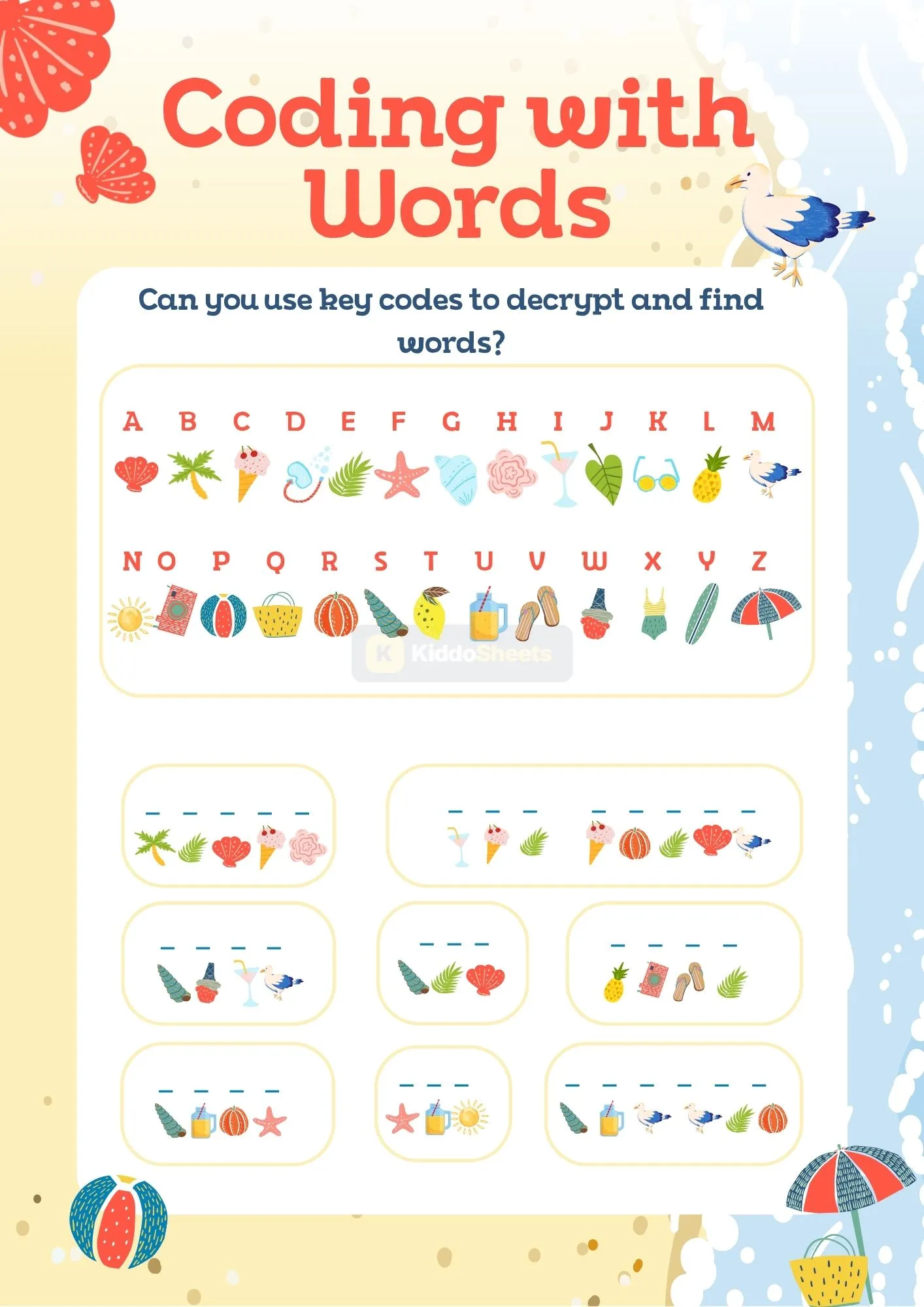
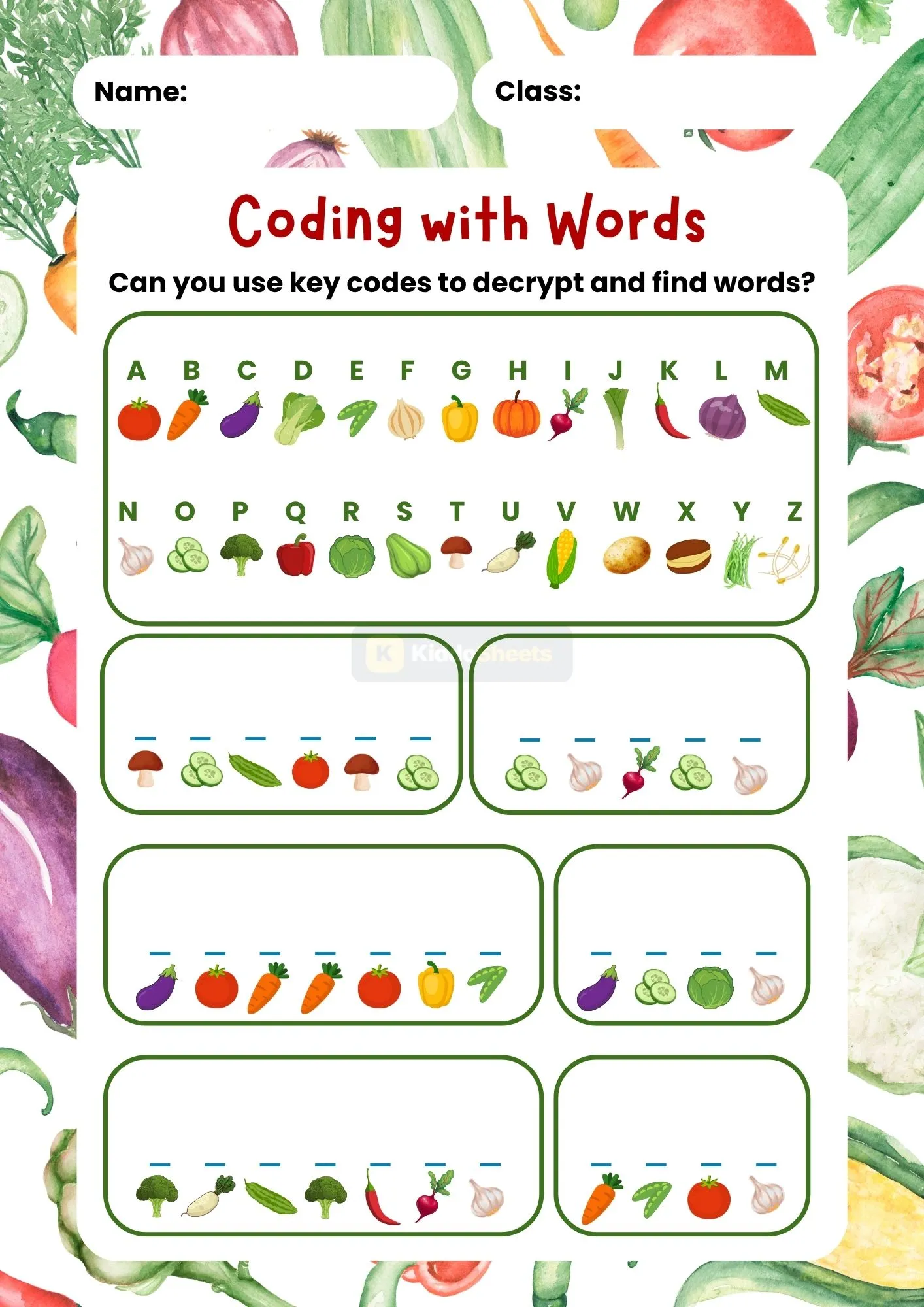
- Spelling or word work. Build words with letter tiles, sort words by vowel sound or write this week's words in rainbow colors.
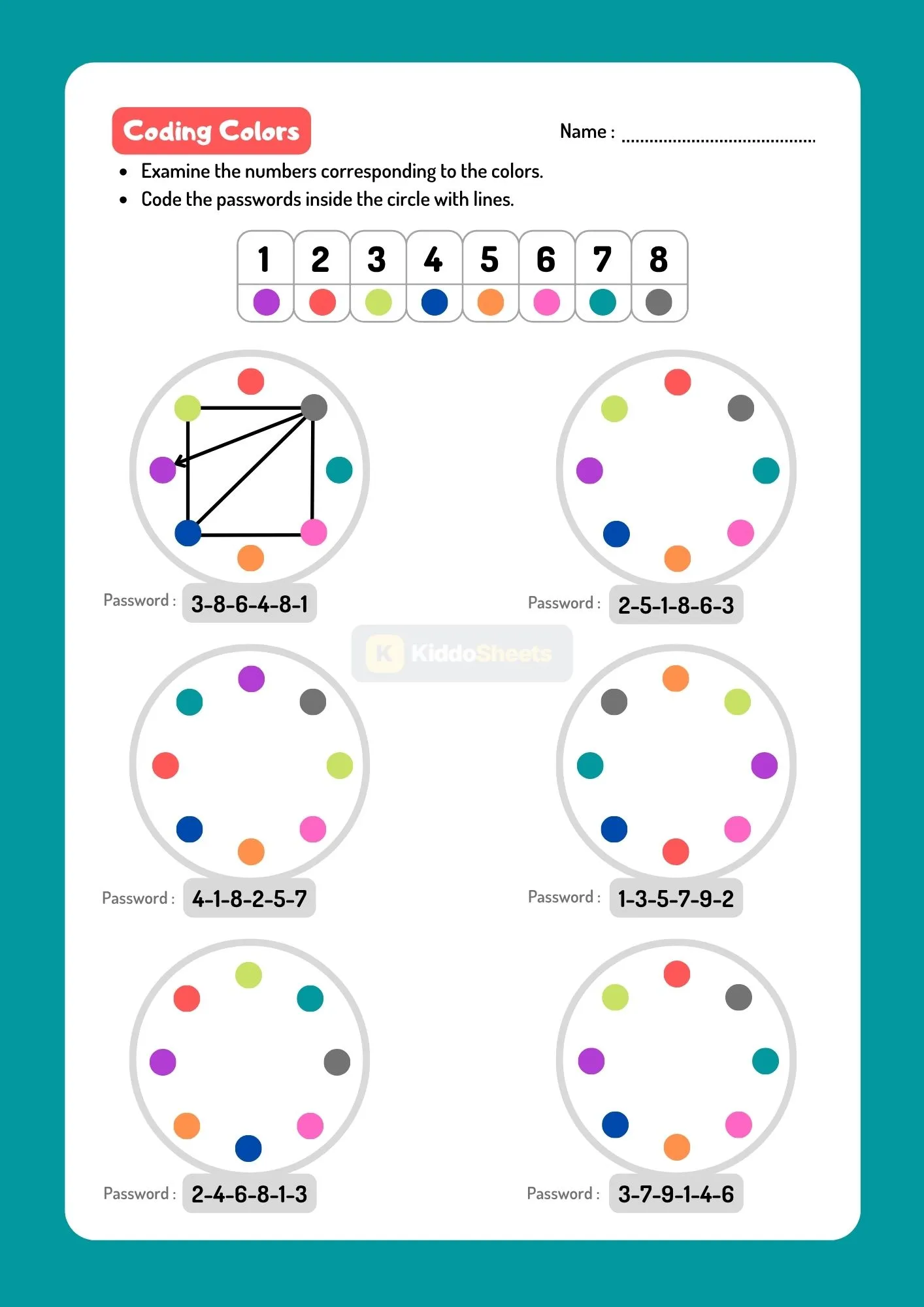
- Pattern challenge. Younger students complete picture or shape patterns; older students extend number patterns.
- Clock check. Draw two clocks on the board and ask students to write the times. It's a quick way to keep telling time fresh all year.
- Fix the sentence. Write a sentence with errors in capitalization and punctuation. Students rewrite it correctly.
- Drawing prompt. "Draw your dream treehouse and label three parts." This is great on Mondays and after holidays.
- Tidy and prep. On busy days, morning work can simply be unpacking, sharpening pencils and organizing desks. That's a legitimate routine too.
Building a weekly rotation
Many teachers find that assigning a theme to each day keeps things organized and easy to plan:
| Day | Focus | Example task |
|---|---|---|
| Monday | Writing | Weekend journal prompt |
| Tuesday | Math fluency | One review worksheet |
| Wednesday | Word work | Spelling sort or word building |
| Thursday | Logic | Maze, sudoku or pattern puzzle |
| Friday | Free choice | Reading, drawing or a puzzle from the bin |
Students quickly learn the rhythm, and you only need to prepare one or two items per day. The Maths worksheets and Maze worksheets are handy sources for the fluency and logic days.
Setting up the routine
Routines stick when they're taught as carefully as any lesson. In the first week:
- Model the entire arrival process. Walk in, hang up your bag, turn in your folder, pick up morning work, sit down, start.
- Practice it. Literally have students go back into the hallway and walk in again. It feels silly, but it works.
- Keep materials in the same place every day. A labeled tray or a spot on each desk.
- Have a plan for finishers. An early finisher bin with puzzles, coloring pages and books means you won't hear "I'm done, now what?"
Checking without drowning in paper
Morning work is practice, so it doesn't all need detailed marking. A few lighter approaches:
- Go over it together. Spend two or three minutes reviewing answers as a class right after the routine ends. Students check their own work.
- Spot-check a few. Look closely at four or five papers each day, rotating through the class over the week.
- Use answer keys at a station. Many printables include an answer page. Older students can self-check and circle what they missed.
- Watch for patterns. If half the class misses the same item, that's useful information for your next lesson.
Adapting for different learners
Not every student needs the same page. Simple ways to differentiate:
- Offer the same skill at two difficulty levels, labeled with a neutral marker like a star or a circle rather than "easy" and "hard."
- Let students who need more support work with a reading partner for prompts.
- Allow fast finishers to move to an extension puzzle rather than giving them more of the same.
Common pitfalls
- Too long. If morning work stretches past twenty minutes, it eats into instruction time.
- Too hard. A struggling student at 8:05 a.m. is a rough start to the day. Keep tasks within reach.
- Never reviewed. Students notice quickly when nobody looks at their work, and effort drops.
- Always the same worksheet format. Predictable routine is good; identical pages every day get stale.
The bottom line
Morning work is a small routine with a big payoff: a calm start, extra practice on key skills and a few precious minutes for the teacher to get organized. Keep tasks short, independent and focused on review, rotate themes across the week and build a simple system for checking. With a stack of good printables and a clearly taught routine, the first fifteen minutes of the day can become one of the most productive parts of it.