Winter Break Learning Activities That Don't Feel Like School
Easy, low-prep winter break activities that keep kids reading, counting and thinking over the holidays, from kitchen math to puzzle mornings and cozy reading nights.
Winter break is a welcome pause. Kids get to sleep in, stay in pajamas and forget about homework for a while. But two or more weeks of complete downtime can make the return to school feel bumpy. The goal isn't to recreate the classroom at home. It's to keep little brains gently active with activities that feel like play.
Here are ideas that fit into busy holiday days, work for a range of ages and need almost no preparation.
Set a loose daily rhythm
Kids handle long breaks better with a little structure. You don't need a schedule, just a few anchors:
- A slow morning with a puzzle or worksheet at the breakfast table
- Outdoor time or active play after lunch
- A quiet hour in the afternoon for reading, drawing or building
- A story or family game in the evening
Keeping the same rough pattern most days means fewer arguments about what comes next and an easier switch back to school mornings in January.
Puzzle mornings
A short puzzle with breakfast is a great way to wake up the brain. Keep a stack of printables on the counter and let your child choose one each morning.
- Mazes are perfect for younger kids. The Frog and Lily Pad Maze Worksheet (Level 3) is a medium challenge for preschoolers, and the Rocket to the Planet Maze Worksheet is another favorite.
- Word searches suit early readers. The Colors Word Search Worksheet uses simple color words in a 10x10 grid.
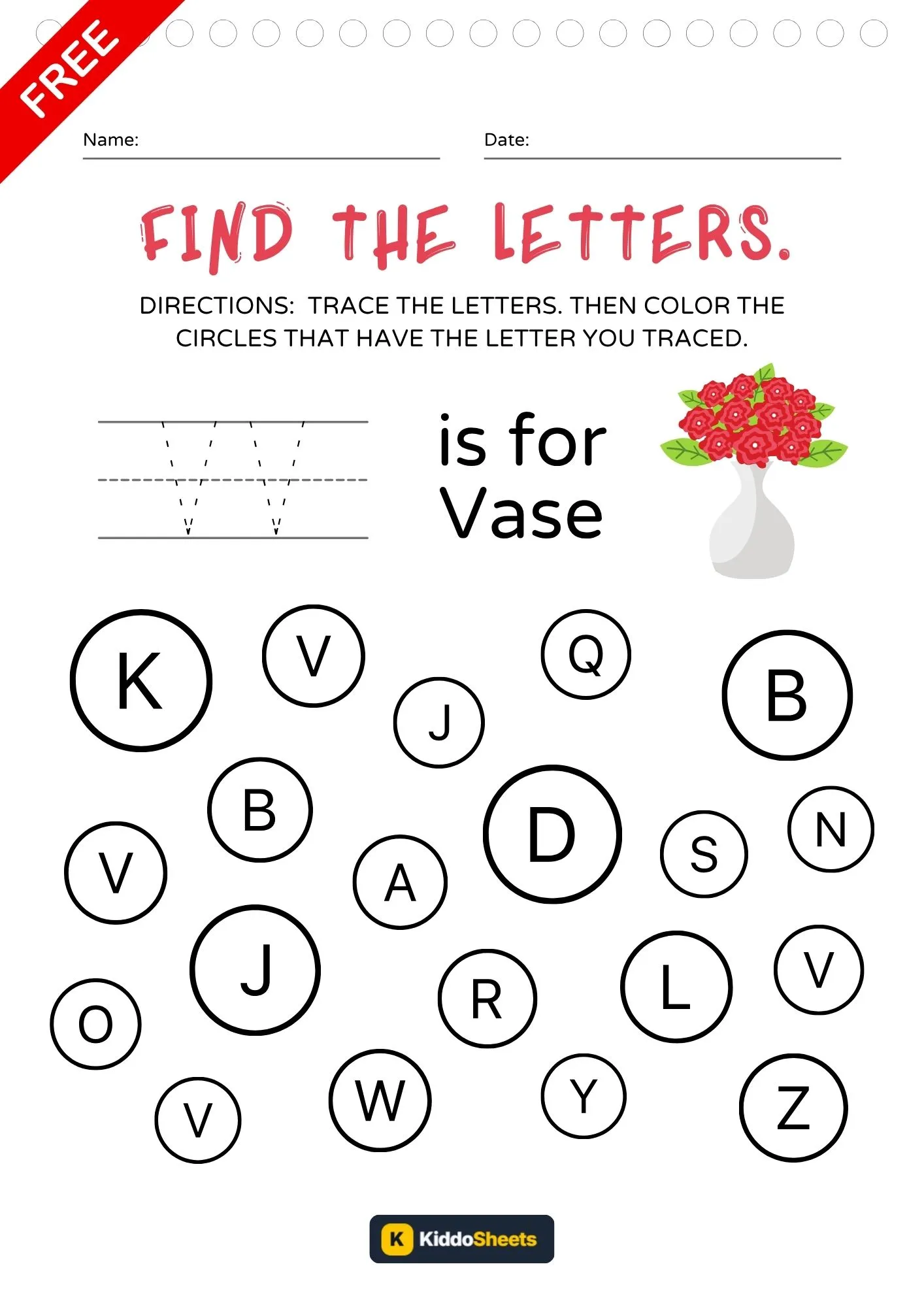
- Tracing pages help preschoolers keep working on pencil control. Try the Trace the Mixed Lines Pre-Writing Worksheet.
Browse the Maze collection for more levels. Ten minutes is plenty; stop while it's still fun.
Kitchen math
Holiday cooking and baking are full of real math. Invite your child to help and look for natural moments to count and measure:
- Count out ingredients, like eggs or chocolate chips, and ask how many are left after using some.
- Use measuring cups and talk about halves and quarters.
- Double a recipe together and work out the new amounts.
- Arrange cookies on a tray in rows and columns, then count them by 2s or 5s.
- Set the timer and check how many minutes remain.
Kids learn fractions faster when there's a cookie at the end.
Cozy reading nights
Reading over break keeps skills from slipping and builds good habits. Make it feel special rather than required:
- Build a blanket fort and read inside it with a flashlight.
- Let kids pick a "winter book stack" from the library before break starts.
- Take turns reading pages aloud, with you doing silly voices.
- Read a chapter book together as a family, one chapter per night.
For early readers, let them read the same easy books over and over. Rereading favorite stories builds fluency and confidence.
Write something real
Writing feels more meaningful when it has a purpose. Over the holidays, there are plenty of real reasons to write:
- Thank-you notes for gifts
- A winter break journal with one sentence and a drawing per day
- Shopping lists for a holiday meal
- A letter to a grandparent or friend
- Labels for homemade gifts
Younger kids can dictate while you write, then trace or copy a few words themselves.
Winter art and coloring
Creative time is learning time too. Drawing and coloring strengthen fine motor skills, focus and patience. Set out paper, crayons and a few printables, then let kids work at their own pace. The Coloring collection has plenty of options for different ages.
Other easy art projects:
- Paper snowflakes, which are great scissor practice
- Painting with watercolors on a snowy day
- Making homemade cards for family members
- Drawing a comic strip about a winter adventure
Get moving outside
Fresh air helps everyone. If it's cold, bundle up and add a little learning to outdoor play:
- Count footprints in the snow or puddles on the sidewalk.
- Go on a nature scavenger hunt for pinecones, bare branches and birds.
- Look for shapes in frost, icicles and snowflakes.
- Measure how tall a snowman is with a measuring tape.
If you're stuck indoors, try a hallway obstacle course or a dance party.
Family game time
Board games and card games quietly build math, reading and social skills. Counting spaces, reading cards, taking turns and handling losing gracefully are all valuable. Classic card games like Go Fish or War work well for practicing numbers, and simple word games help with spelling.
If you'd like more ideas for days off, our post on screen-free Thanksgiving break activities has a list that works just as well in December.
Ease back in before school starts
The last few days of break are a good time to nudge routines back toward normal. Move bedtime a little earlier each night, bring out a short worksheet or two in the morning and talk about what your child is looking forward to when school starts again. Packing the backpack together the night before the first day helps calm any jitters and makes that first morning feel familiar instead of rushed.
Keep expectations realistic
Holidays are busy. Some days will be full of visiting family, travel or simply resting, and that's fine. A loose goal, like a little reading and one small puzzle most days, is more sustainable than an ambitious plan you'll abandon by day three.
Pay attention to your child's mood. If they're tired or overstimulated, a quiet drawing session might be exactly right. If they're bouncing off the walls, head outside.
The bottom line
Winter break learning works best when it hides inside play. Start mornings with a short puzzle, bring kids into the kitchen for real-world math, make reading cozy, give writing a real purpose and get outside when you can. A few relaxed minutes of learning each day keeps skills fresh without taking the fun out of the holidays.