How Mazes Help Preschoolers Learn: Fine Motor Skills, Focus and Problem Solving
Mazes look like simple puzzles, but they build pencil control, planning and patience. Here's how to choose the right maze for your child's age, with free printables.
Hand a four-year-old a maze and something interesting happens. They lean in, grip the crayon a little tighter, and start talking to themselves: "Not that way... oops, dead end... this way!" That little narration is a sign that real learning is going on.
Mazes are one of the most underrated activities for young children. They're cheap, quick to set up, and kids genuinely enjoy them. Below we'll look at what mazes actually teach, how to pick the right difficulty, and how to keep them fun.
What mazes teach (beyond "finding the way out")
1. Pencil control and fine motor strength
To stay inside a maze path, a child has to make small, controlled movements with their fingers and wrist. That is exactly the same control they'll need later to form letters and numbers. Wide-path mazes are perfect pre-writing practice because they give a clear "lane" to stay in without the pressure of making a specific shape.
2. Visual tracking
Before drawing, many kids scan the maze with their eyes or trace it with a finger. Following a path visually, left to right and top to bottom, is a skill that carries over into reading, where eyes need to move smoothly across a line of text.
3. Planning and problem solving
A maze is a tiny lesson in thinking ahead. Children learn that some paths look promising but lead nowhere, and that it can help to look at the whole picture before committing. Older kids even discover tricks like working backwards from the finish.
4. Persistence
Every dead end is a small, low-stakes setback. Backing up and trying again teaches kids that mistakes are part of the process, which is a mindset worth building early.
Choosing the right maze for your child's age
The most common mistake is starting too hard. A maze that's too difficult quickly turns into frustration. Here's a simple guide:
| Age | What to look for |
|---|---|
| 3 years | Very wide paths, 1–3 turns, almost no dead ends |
| 4 years | Wide paths, a few dead ends, a cute start and finish picture |
| 5 years | Medium paths, more choices, a clear START and FINISH |
| 6–8 years | Narrow paths, many dead ends, larger grids |
If your child finishes a maze in under a minute without any wrong turns, move up a level. If they give up or scribble across the walls, step back down. The goal is a maze that feels just a little bit challenging.
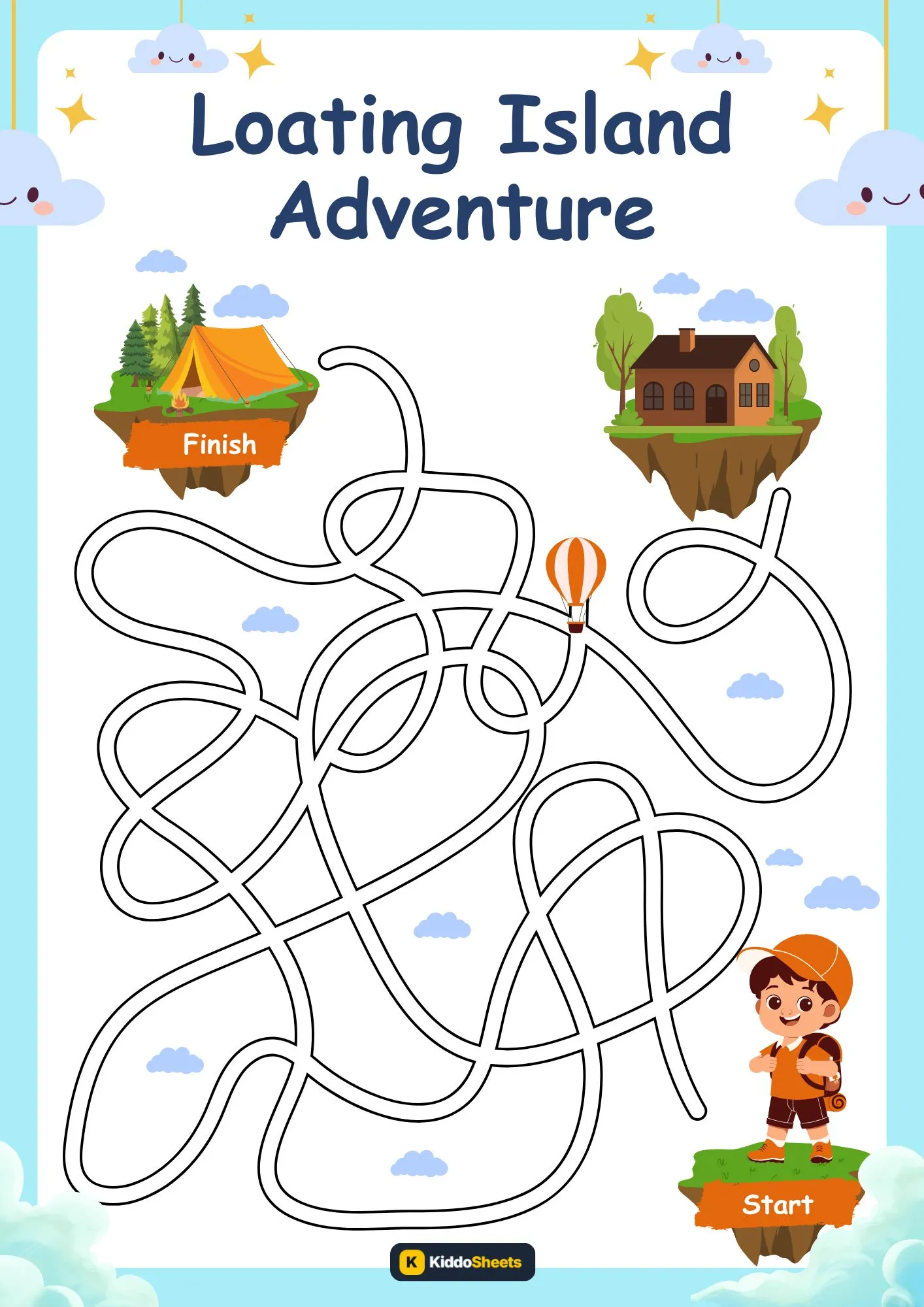
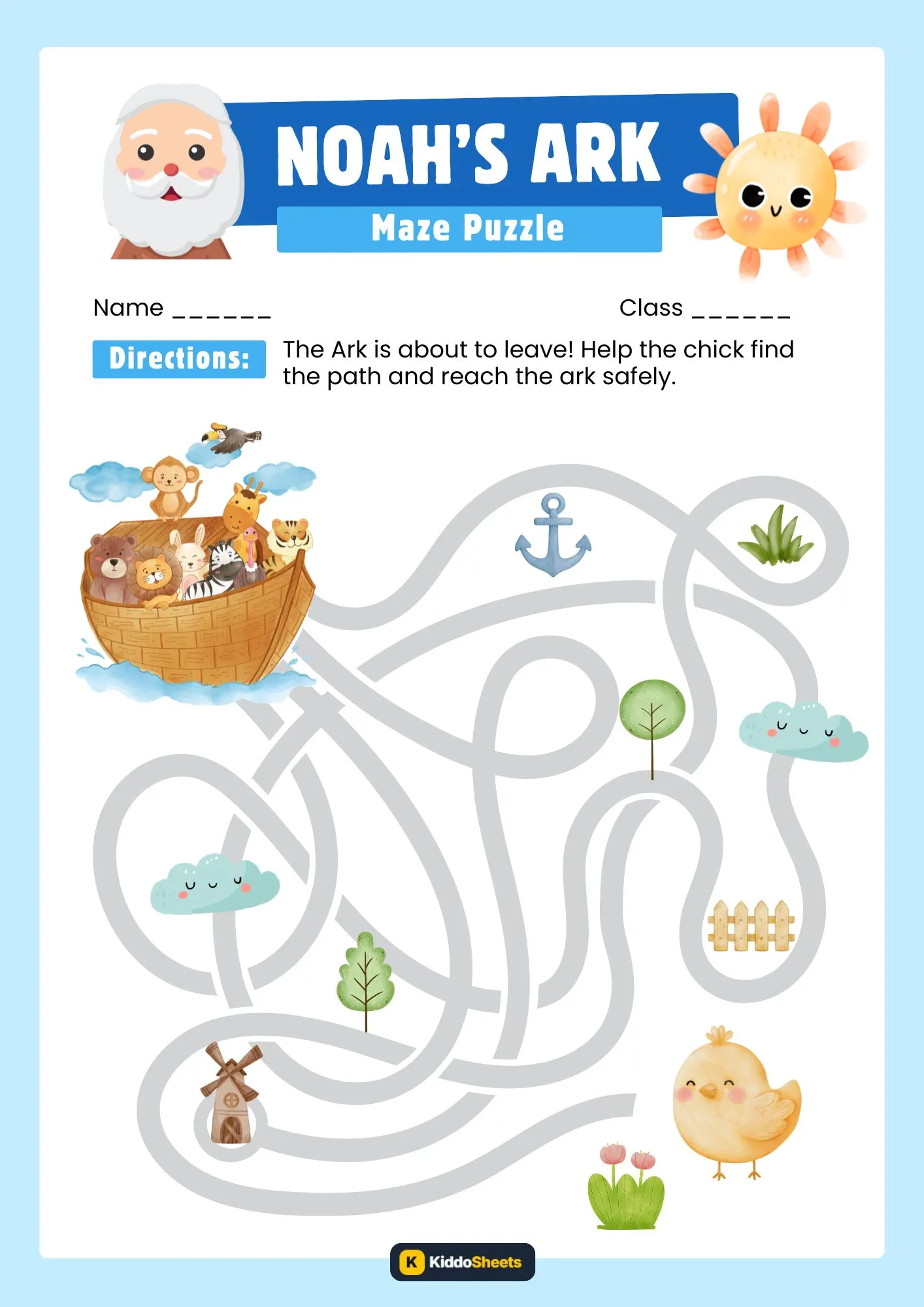
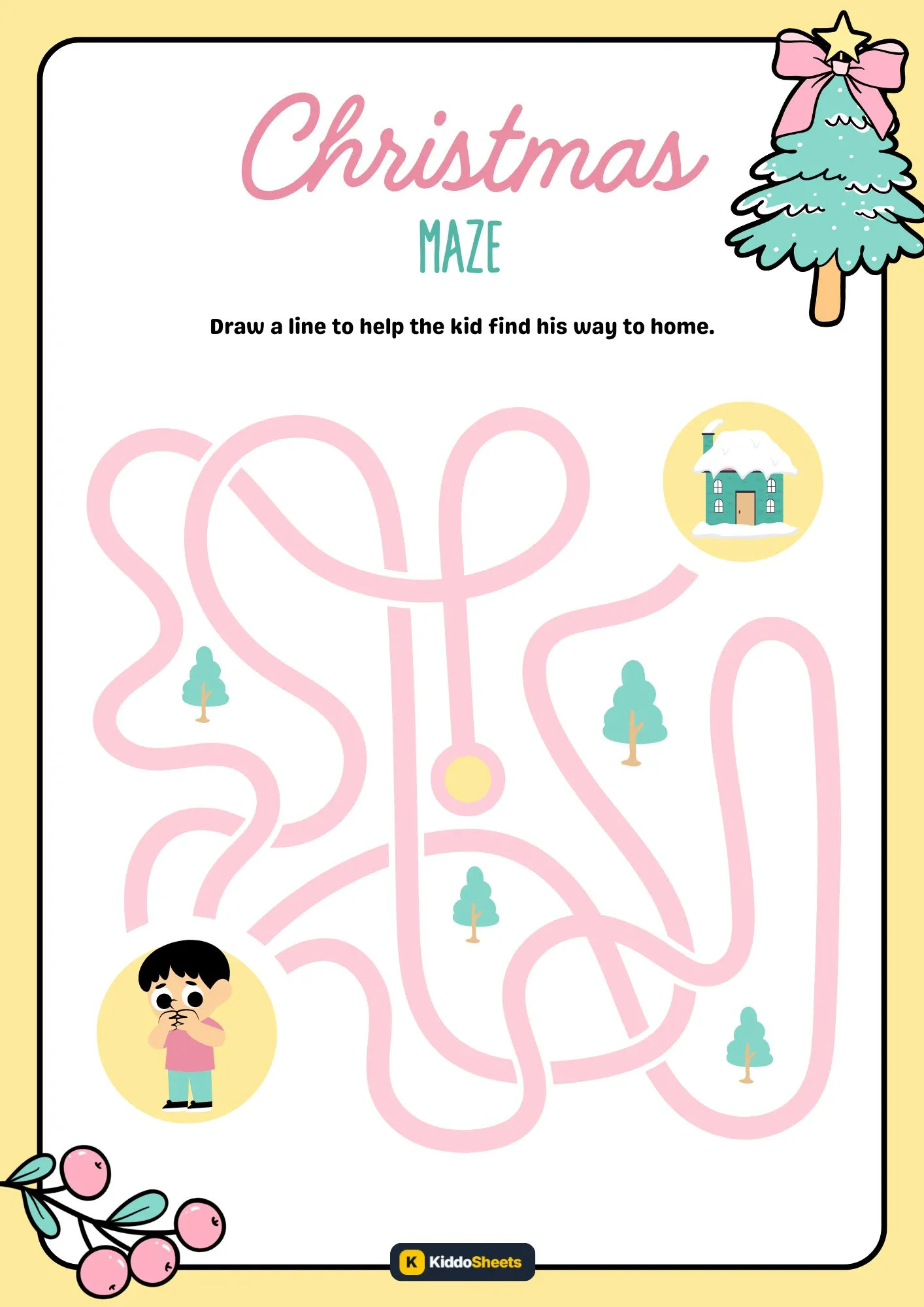
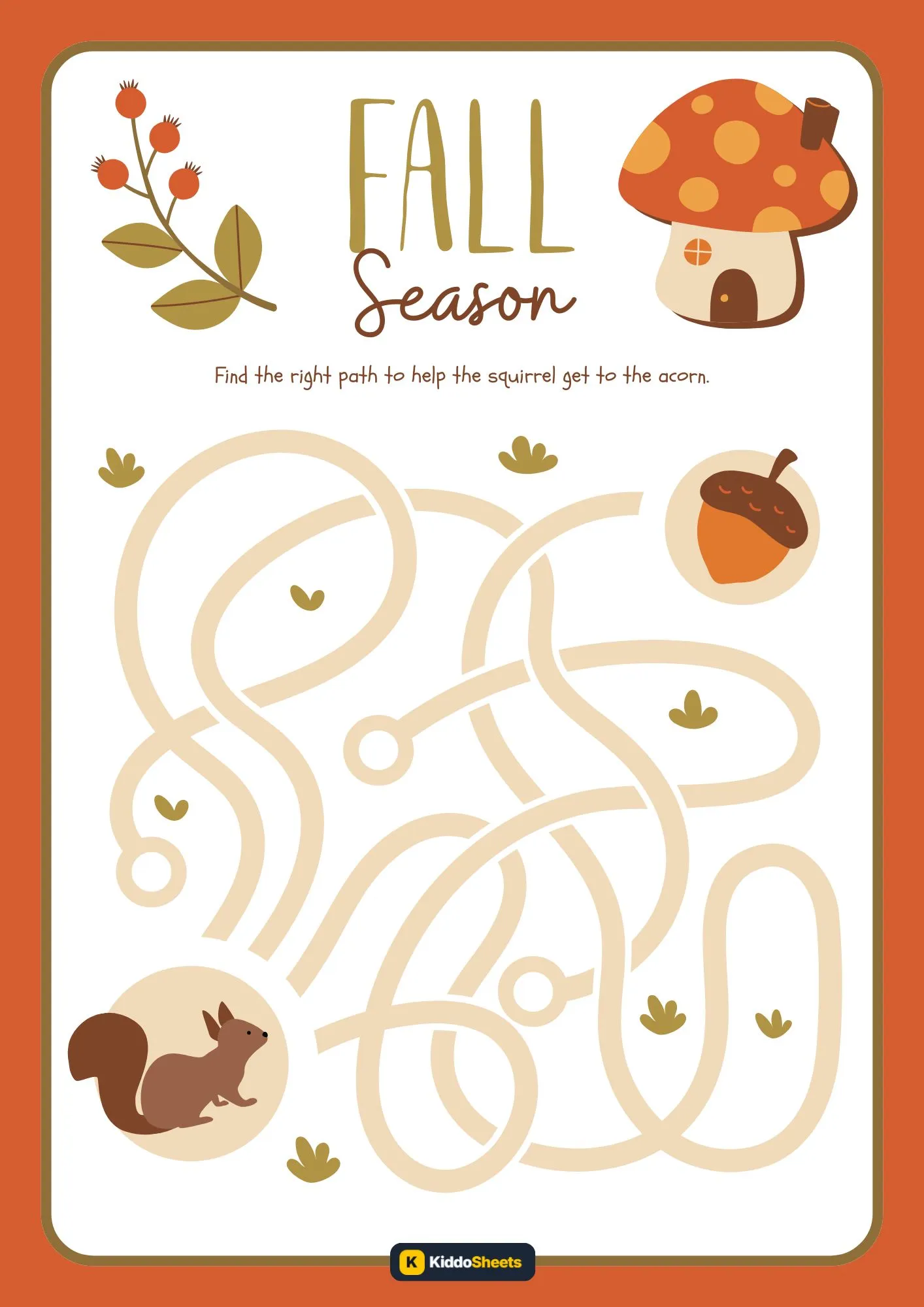
Our maze worksheet collection is organised by level so you can do exactly this. For example, Bee and Flower Maze is a gentle Level 1 maze for beginners, Mouse and Cheese Maze is a step up for older preschoolers, and Fish and Treasure Chest Maze is a real challenge for six to eight year olds.
6 tips to make maze time more fun (and more useful)
- Finger first, crayon second. Let your child trace the route with a finger before drawing. It reduces scribbling and builds planning.
- Use a highlighter or a thick crayon for younger kids. Thicker tools are easier to grip and make the path easy to see.
- Talk it through. Ask "Which way do you think the bee should go?" Narrating choices builds language and reasoning at the same time.
- Celebrate the dead ends. Say "Great, now you know that way doesn't work!" so mistakes feel like progress.
- Add a story. The puppy is hungry, the rocket needs to land before dark. A tiny story gives kids a reason to finish.
- Color the pictures afterwards. Most of our mazes have characters at the start and finish. Coloring them is a nice reward and extra fine motor practice.
When to use mazes
Mazes work well as:
- a calm-down activity before nap or bedtime,
- a quiet task for siblings while you work with another child,
- a warm-up before handwriting practice,
- a screen-free option at restaurants or on car trips (put one page in a plastic sleeve with a dry-erase marker and reuse it).
The bottom line
Mazes are small puzzles with big benefits: stronger hands, sharper eyes and more patient problem solvers. Start easy, move up gradually, and keep the mood playful. Your child won't even notice how much they're learning.
Ready to try one? Pick a level from our free printable mazes. Every maze includes an answer key on page two.